|
"There's always someone asking you to underline one piece of yourself—whether it's Black, woman, mother, dyke, teacher, etc.—because that's the piece that they need to key in to. They want to dismiss everything else."
―Audre Lorde, writer, poet and activist
| |
Day 5: Intersectionality and Gender | |
|
Intersectionality and Gender
Are you male or female, both, or neither? How do you know? When you were a baby, did adults dress you in pink or blue? Who dressed you, fed you, changed your diapers, and cleaned up after you? What things are boys expected to do in your world? What things are girls expected to do? And where did you learn those ideas?
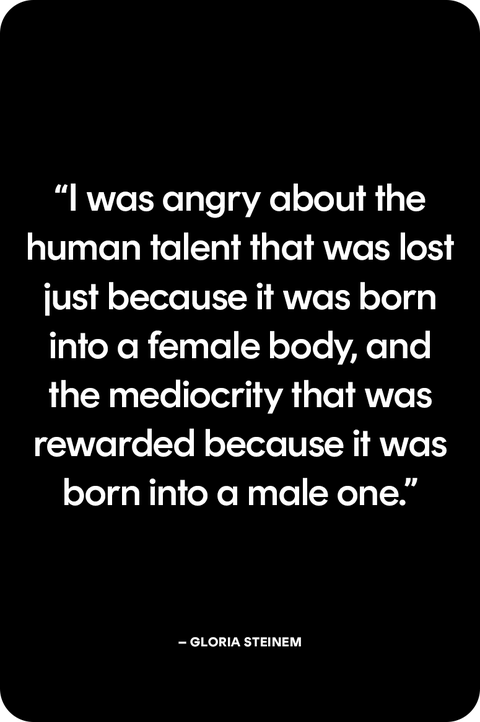
In the U.S. today, the most powerful system organizing gender is a binary one, characterized by two supposedly distinct and unequal categories (female and male, woman and man, girl and boy). In other times and places, the rules of binary gender have looked very different than what we’re most familiar with in the U.S. today. Men were the first cheerleaders, the first knitters, and the first people to wear high-heeled shoes. Women pioneered computer programming and brewing beer.*
In today's email, we will explore how gender intersects with other identities to compound challenges for many.
* from University of Notre Dame, Gender Studies
| |
|
Kimberle' Crenshaw Discusses 'Intersectional Feminism' (9:56)
Women's and Gender studies major Sara Hayet ’18 interviews Kimberlé Crenshaw about "Intersectional Feminism." Crenshaw served as the keynote speaker on Sept. 17, 2015, for the 30th anniversary of Women’s and Gender Studies at Lafayette College.
Intersections of Gender (2:49)
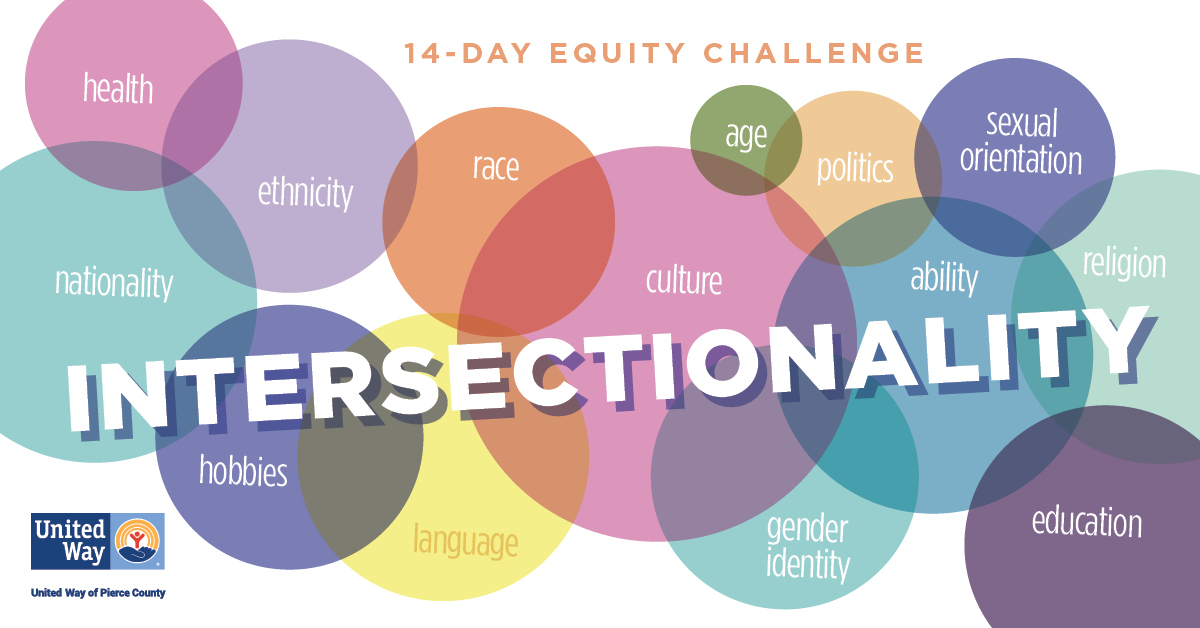
Intersectional research design understands that gender is complex, formed by interwoven identities that intersect and "meet in the middle." Example identities include race, class, age, location, immigration status, religion, ethnicity, ability, indigeneity and income. As a result, gender varies from circumstance to circumstance. The relationships between identities are essential to understanding the human condition. Our identities do not exist in a vacuum. Understanding intersections in identity is also essential to understanding anything that ever has anything to do with humans.
| |
|
Intersectionality Matters!: Black Women's Health Through the Twin Pandemics (63:00)
In this podcast, Kimberlé and a group of leading champions for equitable healthcare take us behind the “white coat” of medical racism, and explore its disproportionate impact on Black women and girls. Guests share their own stories being mistreated and ignored as patients, and reflect on the struggles they’ve endured as Black woman doctors working in a medical system with roots in eugenics and racialized violence. The conversation examines how the experiences of Black women in healthcare relate to historical racism and sexism, and asks what it would take to deconstruct the misogynoir that “lurks behind the white coat.”
Intersectionality, Sexuality, Reproductive Rights, and Justice (42:46)
Senti Sojwal and Tiffany Diane Tso are founding members of the Asian American Feminist Collective, a grassroots racial and gender justice group that works to interrogate and dismantle systems of racism, patriarchy, and capitalism, telling their stories through various modes of feminist media while providing spaces for identity exploration, political education, community building, and advocacy.
| |
|
Reflection
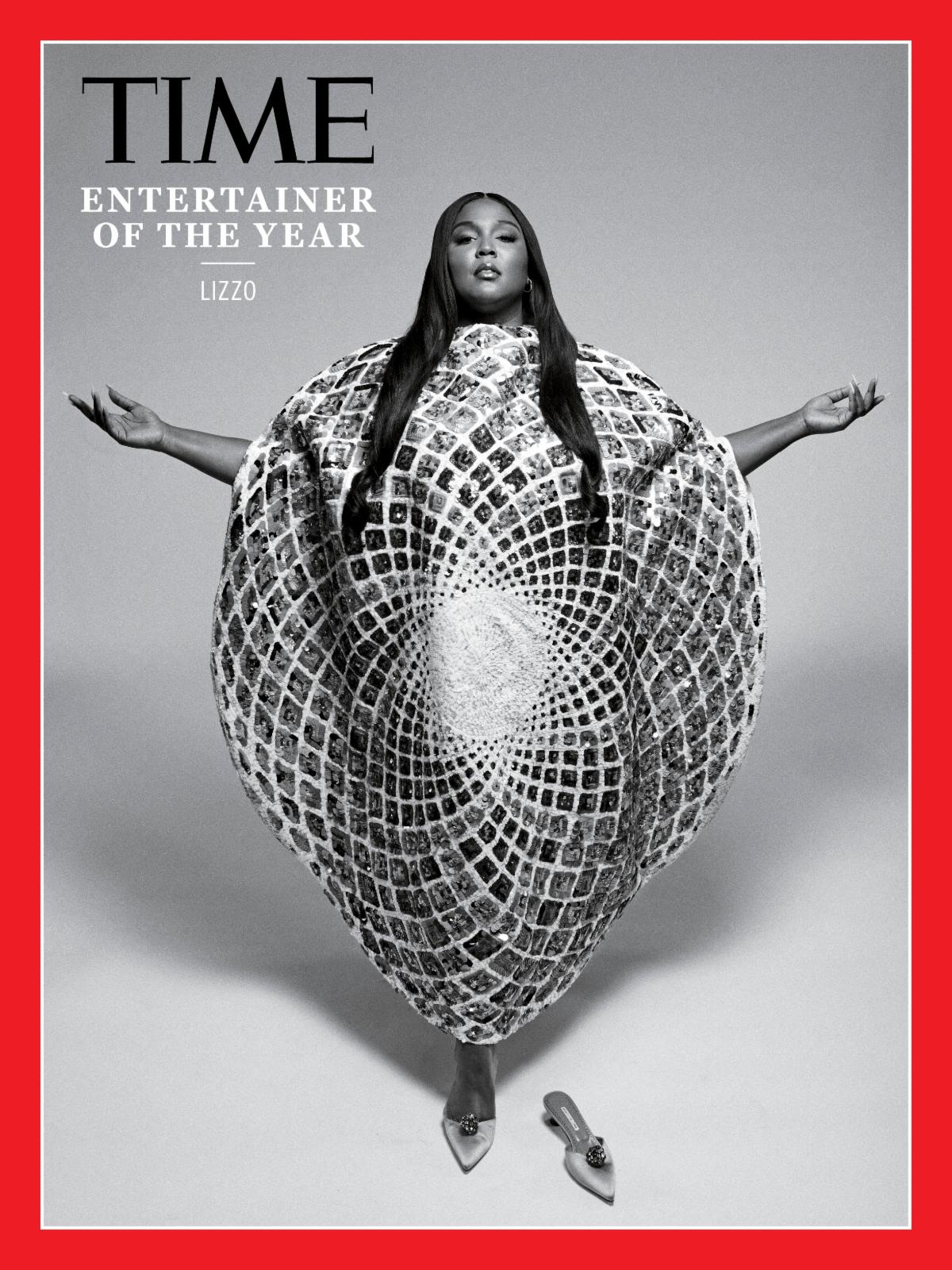
Singer and body positivity activist, Lizzo, like many of us, has lots of different intersectional identities. Read the following comment from Shahamat Uddin (Intersections editor, Tulane Hullabaloo):
"Lizzo has done something radical to an industry that has existed to EXCLUDE people like her. She has unapologetically entered the reigns of music legends, fat, female, and Black. A Lizzo concert is a revolution of self-love. She doesn't let her body define the parameters of what she will wear, how she will dance, and what she will sing. In fact, she uses it as empowerment. Lizzo's marginalization exists in an intersection of THREE OPPRESSED IDENTITIES. Systems are not designed for her to succeed, but still she rises."
- Thinking about Lizzo, what are some specific examples of oppression that she has experienced because of her intersectional identity?
- How might her experiences have differed if she had been a man?
| | | | |