1. What is your academic background and current affiliation?
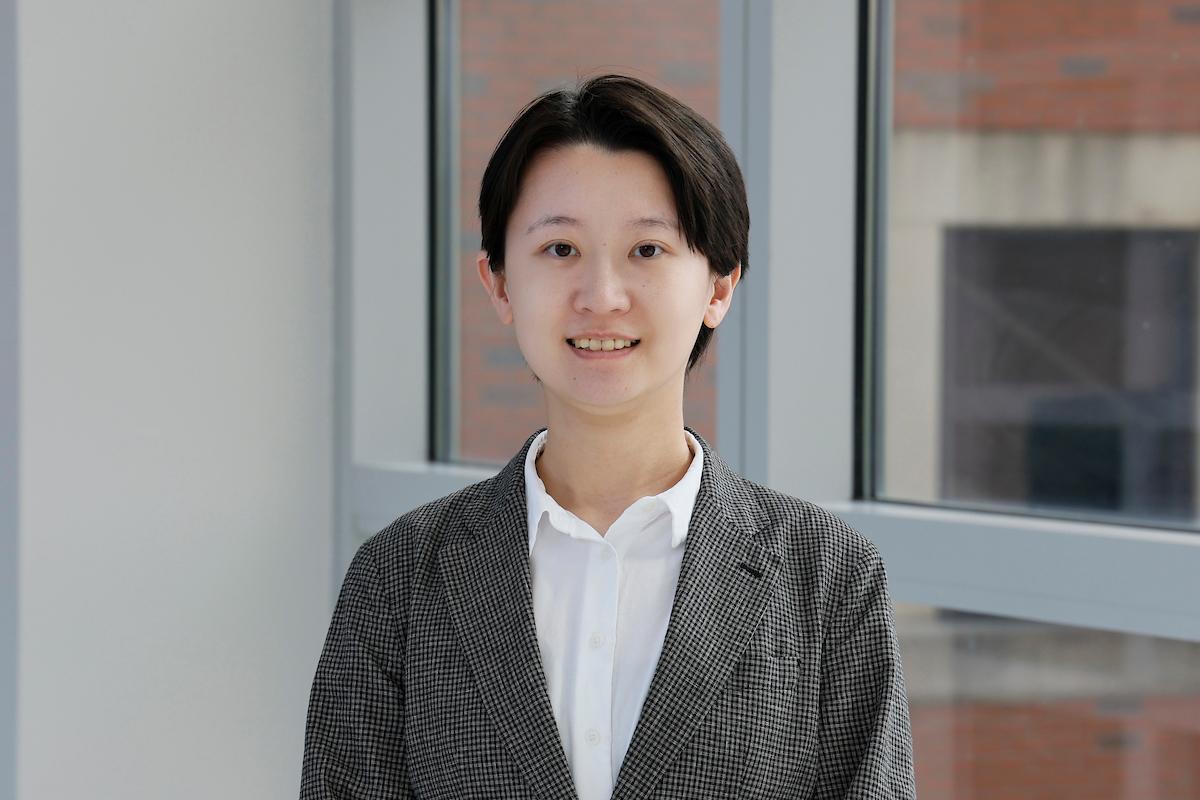
I am an economist by training, and I received my PhD degree in Economics in 2020. My fields were health and labor economics, and I studied access to paid sick leave as a health-related policy and the effects of state and local paid sick leave laws on individual workers’ behaviors, including childbirth choices, and decisions to change job/employer. Currently I work as a Pelotonia Postdoctoral Scholar at the Center for Tobacco Research within The Ohio State University Comprehensive Cancer Center (OSUCCC).
2. What led you to pursue a career in health disparities research, and tobacco-related disparities in particular?
The first time I was involved in health disparities research was when I worked part-time as a research coordinator at the New York University Perlmutter Cancer Center from 2017-2018. Our team examined disparities in breast cancer management, and factors related to those disparities, such as age, socioeconomic status, and whether one had health insurance. That experience was extremely valuable to me, and I became more aware of how cancer patients within different groups of the population might experience diagnostic and treatment delays, as well as the social and individual determinants of patient preferences. I joined OSUCCC in 2020 and started to work on research projects that used stated preference methods and choice experiments to model individual persons’ preferences for tobacco products. I also received substantial training in regulatory policy analysis focusing on the tobacco marketplace. The disparities in tobacco use among LGBTQ+ populations are alarming and heartbreaking to me, and I have been awarded the Pelotonia fellowship from OSUCCC since 2022 to study LGBTQ+ health and tobacco use from a public policy perspective. My current research in tobacco use disparities within the LGBTQ+ community enables me to make use of my skills in economics, regulatory science, and preference research, and to increase my engagement with national and regional organizations serving LGBTQ+ populations in the US.
3. What are your current research interests?
My research interests lie at the intersection of LGBTQ+ health, substance use behaviors, and regulatory science.
4. What do you hope your career in research will change in the field of tobacco control?
I hope my research career will bring rigorous empirical evidence that informs policymaking at the federal, state, and local levels, contribute to tobacco control efforts that reduce use disparities among LGBTQ+ populations, and eventually, help reduce tobacco-related health burdens experienced by the LGBTQ+ community.
5. How has receiving the HEN travel scholarship benefited your work/career?
The HEN travel scholarship allowed me to participate in the SRNT 2023 Annual Meeting and to present my research on tobacco use of LGBTQ+ individuals using advanced methodology in Natural Language Processing. I also greatly benefited from the networking opportunities during the conference, and meeting with other scholars from diverse backgrounds inspired me in my career and helped me thrive and grow. Since then, I have continued to develop my own research program that leverages policy changes to reduce tobacco use disparities among LGBTQ+ populations in the US. I resubmitted my application for NIH funding in July 2023 to support this program in the long run.