Around the NELMSC - September 2019
|
|
NELMSC Annual Meeting to be held Sept 29
th
|
|
Art by Joanna Florio-Jefferys, NEM-PITY
|
|
Sunday, September 29, 2019, 1pm to 4pm
Hilton Garden Inn Boston-Waltham
450 Totten Pond Rd, Waltham, MA 02451
All NELMSC members are invited to attend and vote.
Buffet lunch. Please
RSVP
by September 23, 2019.
Officer nominations are open: contact
Guy Davis
.
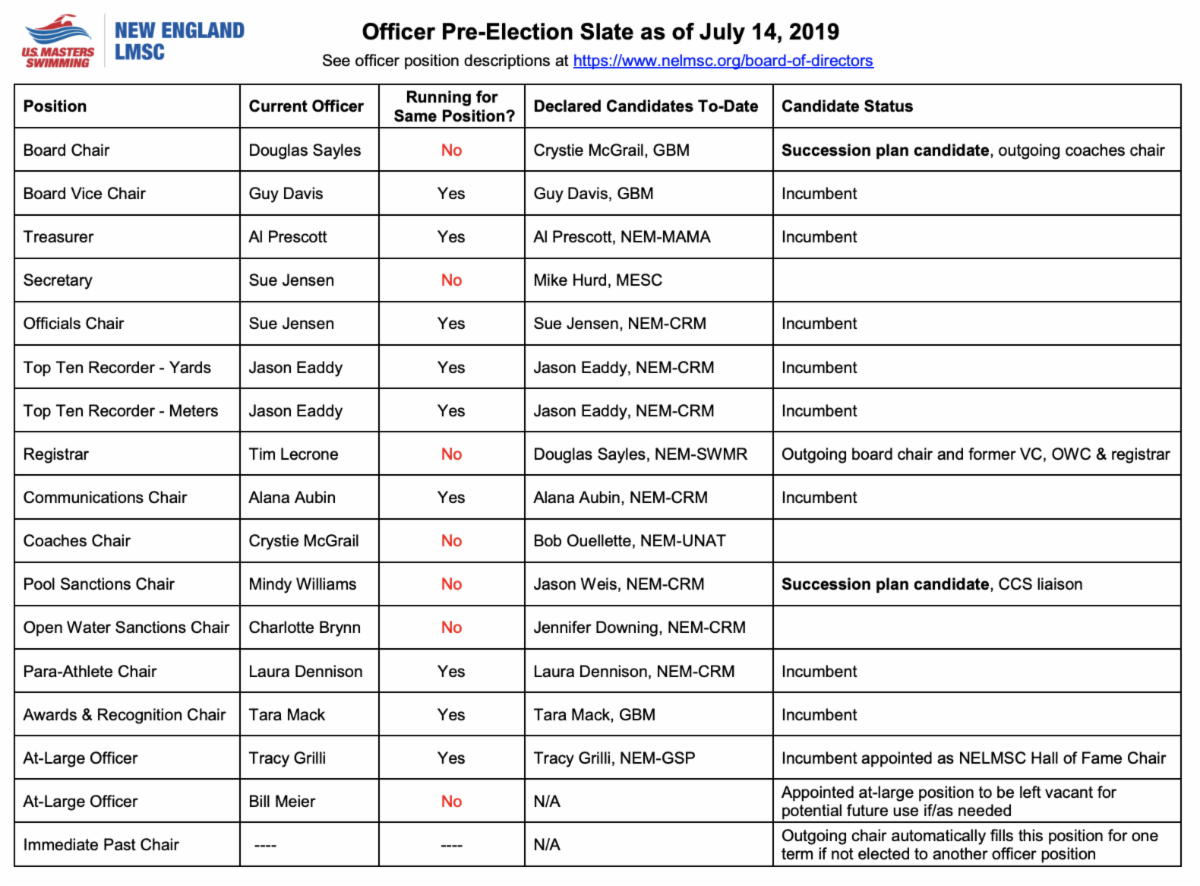
The pre-election officer slate to-date is posted below and on our website.
|
|
Call for Nominations:
Frank Wuest Open Water Swimming Award
|
|
This award was established in honor of Frank Wuest to recognize outstanding contributions to open water and Masters Swimming in New England. Frank demonstrated an extraordinary passion for the sport of swimming and a deep commitment to its community. This award may be presented annually based on sportsmanship, mentorship, camaraderie, love of sport, hard work, event participation, promotion of swimming, and more. Nominees must be currently registered members of the NELMSC.
Nominations for this award close on September 22, 2019.
Thank you for taking the time to nominate someone special for this recognition!
|
|
Sept 22 -- 8th Annual Boston Sharkfest (1500m)
|
|
Jan 1-Dec 31 -- Go the Distance
Swim anywhere & track your distance --
Details
Ends Sept 15 -- USMS 5K/10K ePostal National Championships (Sanctioned LCM)
Sept 15-Nov 15 -- USMS 3000/6000-yard ePostal National Championships (Sanctioned SCY, SCM)
Any 25-yard or 25-meter pool --
Details
Sept 28 -- Maine Senior Games (Recognized SCY)
Oct 5 -- October Swim Fest at Simmons University (Sanctioned SCM)
Oct 19 -- 11th Annual Leaf Peepers Masters Meet (Sanctioned SCM)
White River Junction, VT --
Details
Oct 27 -- 13th Annual Concord Masters Mini Meet (Recognized SCM)
Nov 2 -- 20th Annual George Erswell Meet (Recognized SCY)
Nov 15-30 -- USMS SmartyPants Vitamins Fall Fitness Challenge (1 mi)
Dec 13-15 -- NELMSC Short Course Meters Championship (Sanctioned SCM)
|
|
What's New in New England
|
|
NELMSC Athletes Swim & Socialize at Worlds
Mindy Williams, NELMSC Pool Sanctions Chair
|
|
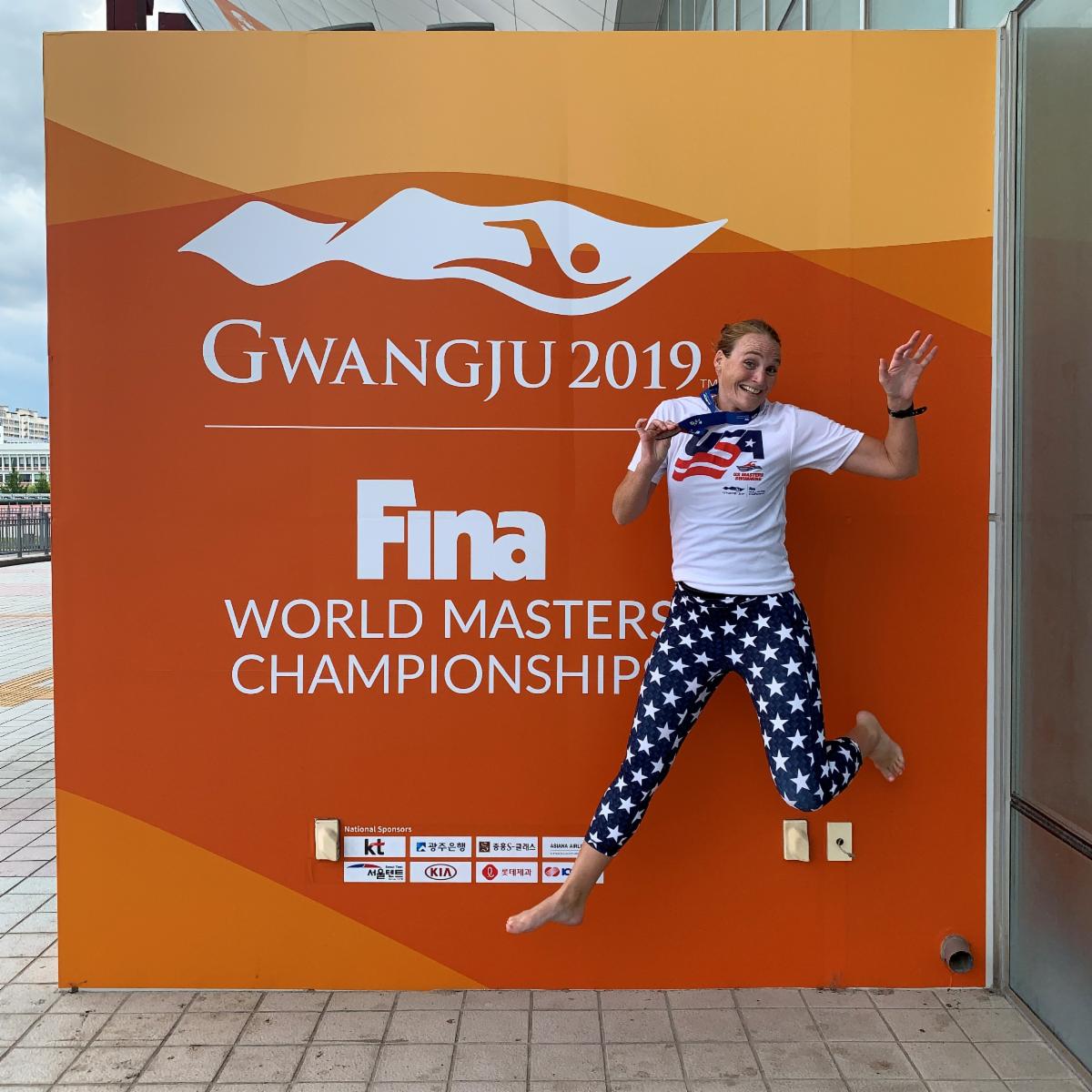
GWANGJU, SOUTH KOREA — There was so much to be impressed by at the
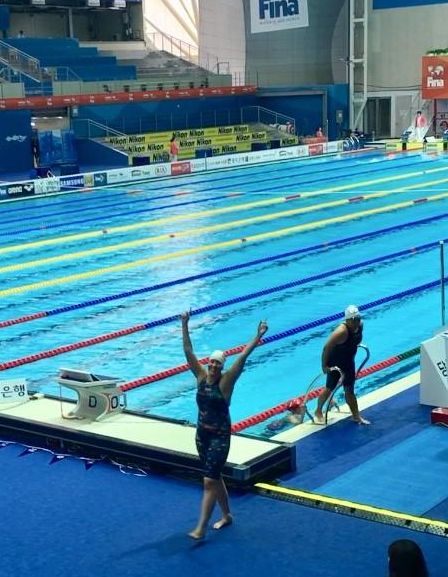
FINA World Masters Championships in Gwangju, South Korea August 5-18, 2019. The venue was spectacular, featuring a 50-meter state-of-the-art competition pool, an adjacent diving well, and two on-site warm-up pools (both 50-meter), one indoor and one outdoor. The facility was renovated for the FINA World Championships and held spectator seating for close to 10,000 people. Between races, there was the option to hit up the Marketplace: a row of food trucks, beer tents and vendors just around the corner from the pool.
|
|
Many of the Masters swimmers stayed at the “Athletes’ Village” accommodations, just a 10-minute shuttle ride from the pool and a neat way to immerse oneself in the spirit of the event. The Athletes’ Village consisted of a half-dozen brand new apartment buildings housing visiting athletes from all over the world, plus a dining hall, convenience stores, a recreation room, and several offices staffed with volunteers eager to help the foreigners with their transportation and site-seeing needs. There was an entertainment venue as well, and the event organizers had a nice menu of South Korean artistic performances for their visitors to enjoy each night. And to quench the thirst of all the accomplished Masters swimmers, there was a “vivid beer party” each night at the dining facility—simply a few taps of tasty Korean brews.
|
|
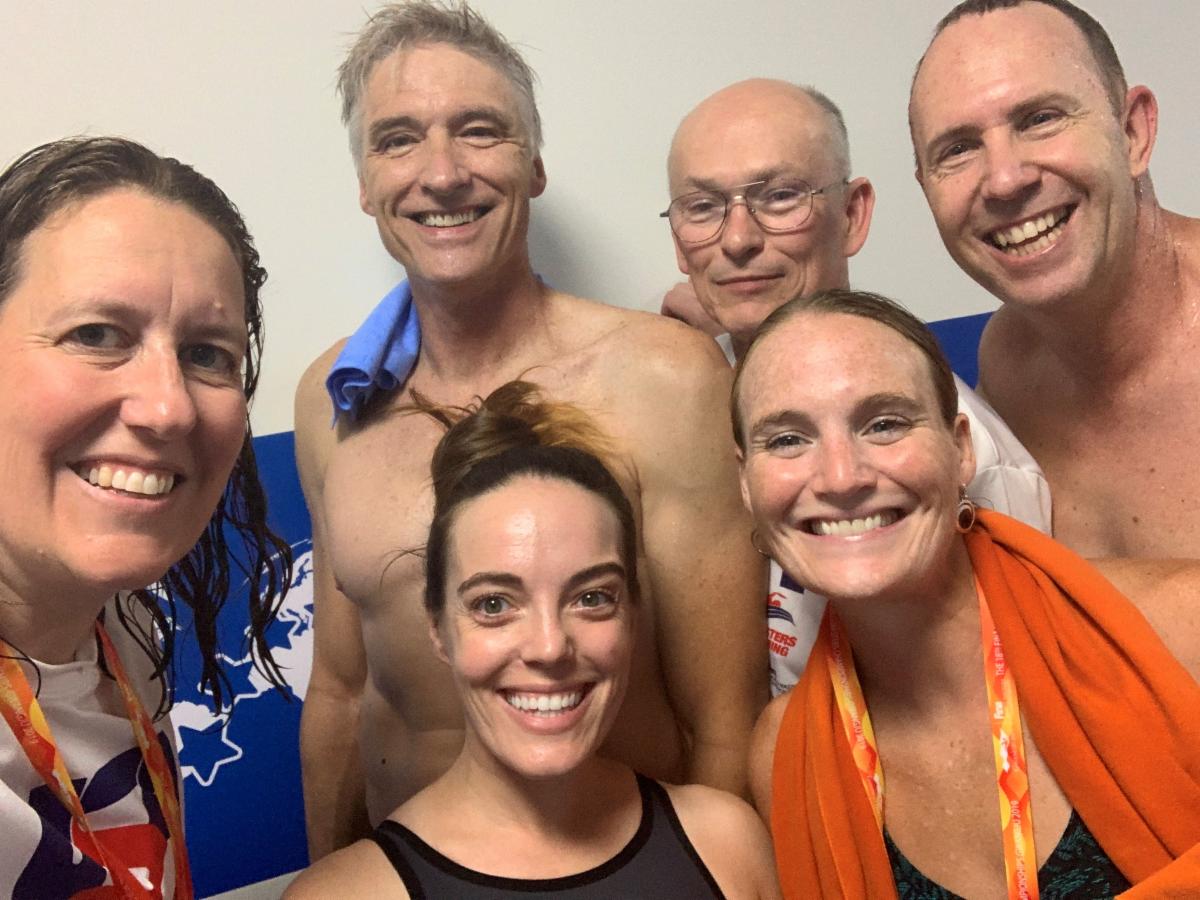
With just over 4,000 participating athletes, the impressive element of having 3,000+ attentive volunteers was very noticeable. There were smiling, welcoming faces at every turn, eager to help the athletes find their way and make their visit to Gwangju a memorable one. Like any World Championship, having the common ground of sports and health was an easy way to make new international friends. I found myself in the ready room before races with swimmers from all over the world who were friendly, chatty, and all the while focused on the races that loomed. After a few days of racing, the faces behind the blocks became more and more familiar, and contact info, swim caps, and selfies started to be exchanged with ease!
There was wonderful camaraderie among the New England swimmers as well. We enjoyed many meals together and donned our Team USA t-shirts each morning at breakfast and onto the podium. We enjoyed cheering for one another and sharing stories of interesting travel and excursions. There was no lull in entertaining anecdotes about visiting South Korea. Training for Fukuota 2021 will commence as soon as the 13-hour jetlag subsides!
|
|
Drowning the Demons: Could Swimming Be A Viable Cure For Depression?
by Elaine Howley, NEM
|
|
When my sister died, I blamed myself. She was just three-and-a-half years old, and I, the big sister at age 8, had been the bone marrow donor in the last-ditch effort to cure her aggressive leukemia. It didn’t work, and in my kid’s brain, that failure translated to my failure.
I fell into a dark depression. The adults around me were well aware, quite concerned, and worked hard to help me understand the complexities of oncology. But it took a long while before I came out of that tailspin. It also took me finding something else to refocus this misplaced energy and feel better: swimming.
I threw myself into club swimming. I took out my anger and frustration on the water. I was never blazingly fast, but I did well enough to earn some accolades, enough to buoy my battered self-confidence. Tapping into a competitive fire I’d not found before helped smooth out the deepest troughs of my grief and despair. Swimming helped lift my depression, and it seems I’m not alone.
|
|
New England Hosts USMS Open Water National Championships at Lake Willoughby
by Alana Aubin, NELMSC Communications Chair
|
|
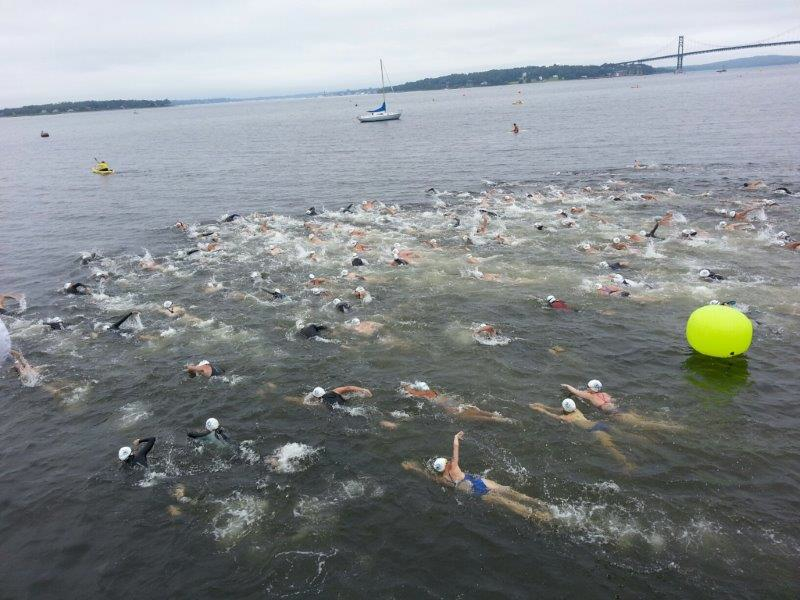
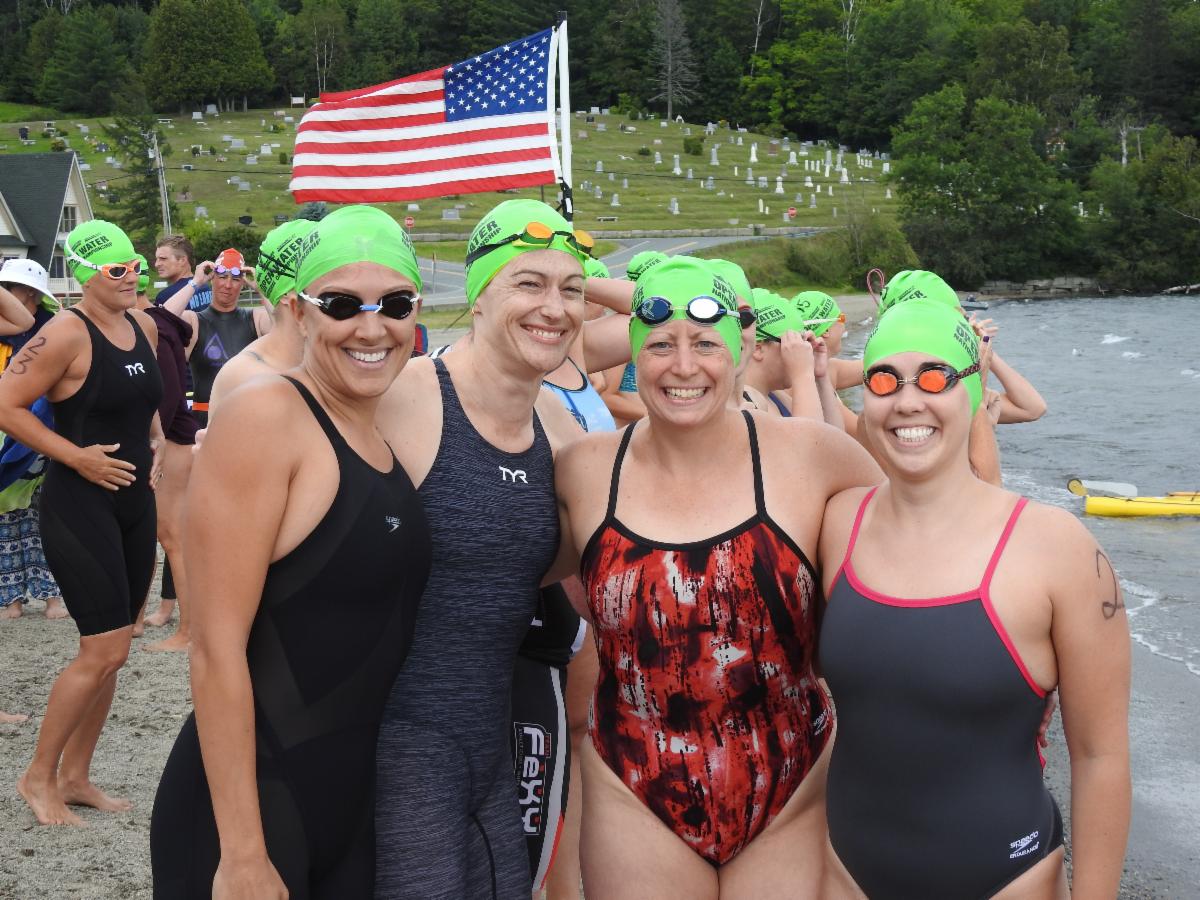
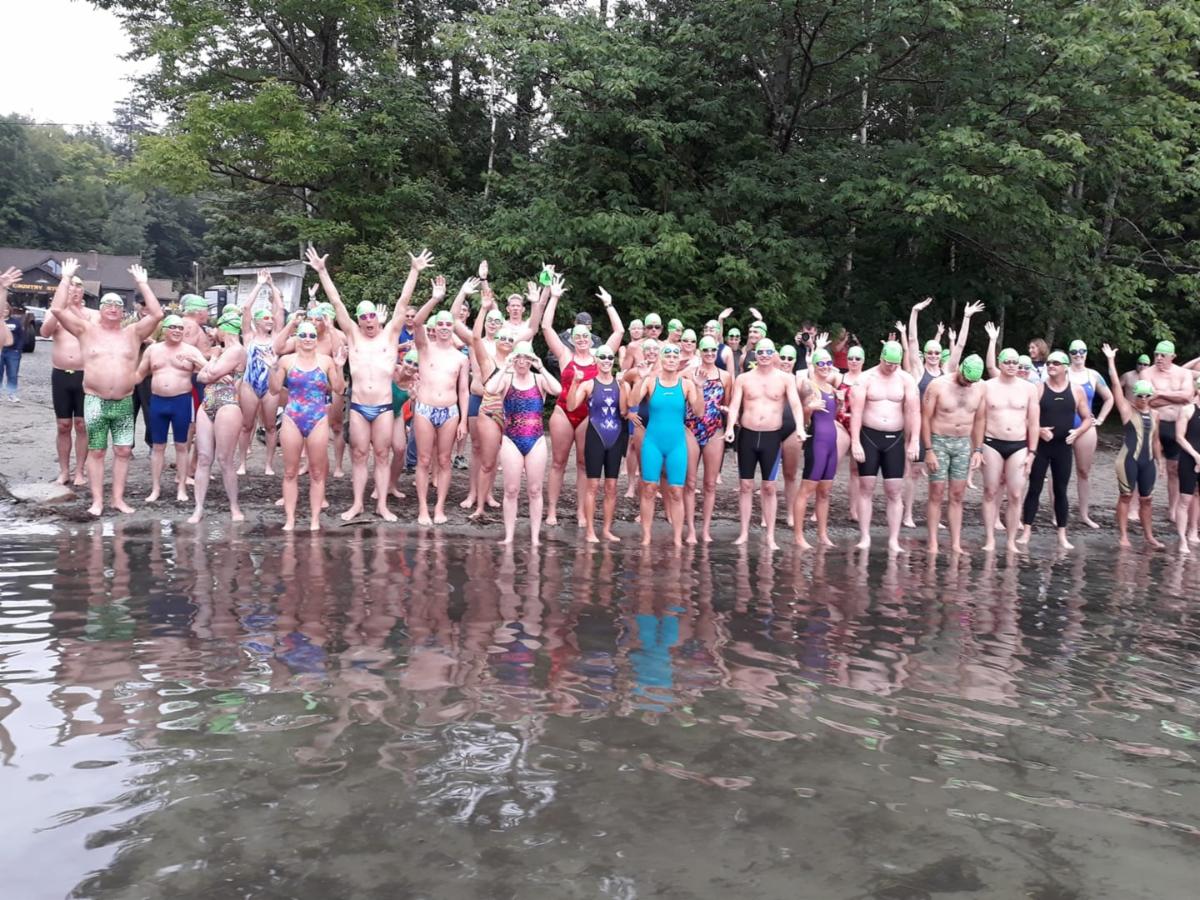
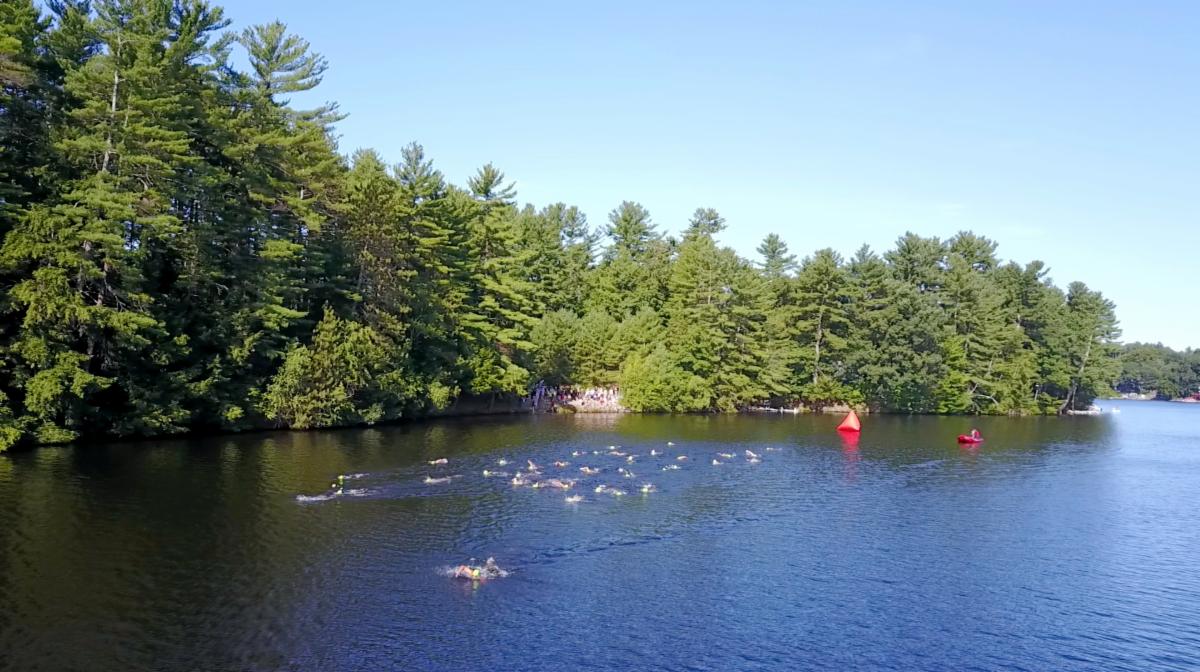
WESTMORE, VT – More than 100 USMS swimmers gathered at Lake Willoughby, Vermont August 16-17 for the
2019 USMS Open Water National Championships. The event was hosted by the Northeast Kingdom Open Water Swimming Association (NEKOWSA), as part of its Swim the Kingdom Week, with support from the New England LMSC (NELMSC).
|
|
Swim Across America Boston Harbor, Misery Challenge, and Nubble Light Challenge
by Jennifer Downing, NEM-CRM
|
|
My favorite day of the year happens each July—the
Swim Across America (SAA) Boston Harbor Swim. This year’s event was particularly special in that we honored long-time Event Director extraordinaire and my dear friend,
Kitty Tetrault, after 30 years of incredible service. When Kitty asks you to help the only answer is “of course!,” so I promised I’d be back from my family vacation in time. Each swimmer is asked to raise at least $2,000 to help fund quality-of-life clinical research at
Dana-Farber Cancer Institute and pediatric oncology research at
Mass General Hospital for Children Cancer Center. Collectively we raised over $260,000 this year for these terrific institutions.
|
|
Glennie Rises at Second Annual Glen Lake Swim
by Gary Girolimon, Event Director
|
|
GOFFSTOWN, NH —
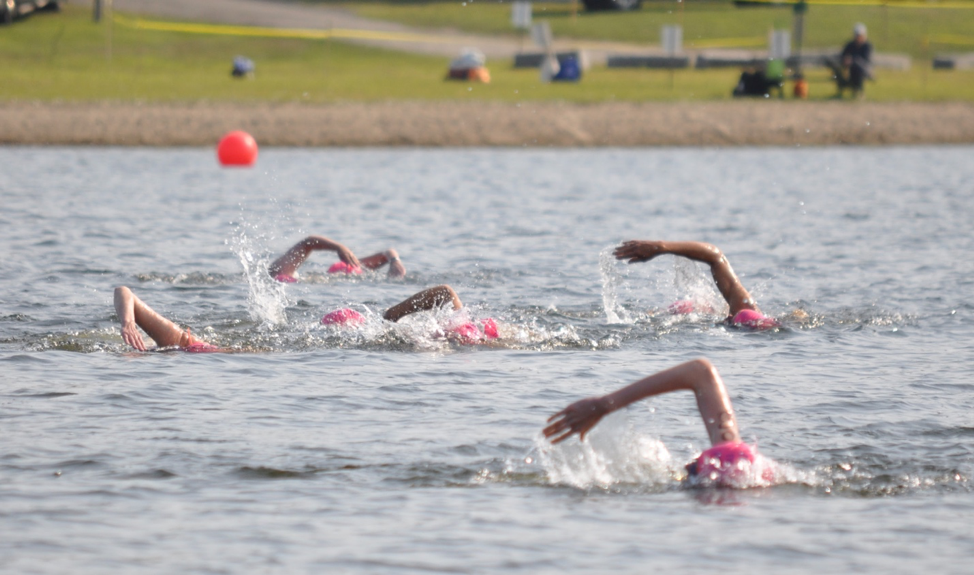
The Glen Lake Swim, Episode 2: Glennie Rises, held on August 11th, attracted swimmers from throughout New England and beyond. This U.S. Masters Swimming-sanctioned competition featured a one-mile and a two-mile race. The weather could not have been more perfect, with 80 degree air and 74 degree water temperatures.
|
|
Kingdom Swim Draws A Crowd to Lake Memphremagog
by Charlotte Brynn, NELMSC Open Water Chair
|
|
NEWPORT, VT — The 11th Annual Kingdom Swim was held on Saturday, July 27th under sunny skies at Lake Memphremagog in Newport, Vermont. In 73-75F waters, swimmers raced the 1 mile, 5 km, 10 km, 10 mile, or 25 km Border Buster event to Canada and back. U.S. Masters Swimming clubs from around the nation were well-represented, with 120 swimmers coming from California, Texas, North Carolina, Florida, New Mexico, and more. Many New England LMSC athletes posted top finishes.
|
|
|
Swim Spots We Love: Misquamicut State Beach
by Bridget M.M. Simpson, Adirondack Masters
|
|
|
|
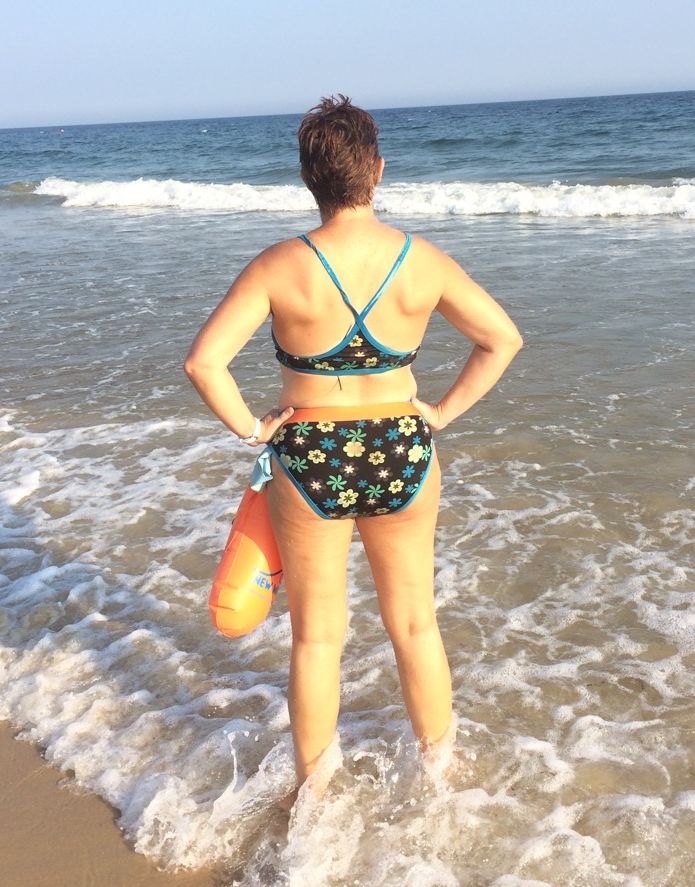
WESTERLY, RI — The first time I saw the ocean was at
Misquamicut State Beach when I was a little girl. About ten years ago, I started making the trek back from northern New York state each summer with my kids. The bathhouse is new and features a daughter-approved play area, there is plenty of sandy beach, and the dune has been left to grow sea grasses.
|
|
Swim Strong: Multiphase Dryland Series for Masters Swimmers, Phase III
|
|
Welcome back to our progressive dryland training sequence, Swim Strong. Now that you have progressed through Phases I & II, you are ready to introduce the use of resistance bands and add a challenge to the traditional side plank in Phase III. Read
Phase I here and
Phase II here.
Resistance bands are simple training tools you can take with you anywhere (pack them in your swim bag!). Despite being simple, they are powerful tools that increase load on the muscles, tendons, and ligaments in addition to working range of motion. When using resistance bands, it is important to remember that form is the main priority, not working to failure. Due to the fact that the resistance intensifies as the band stretches, choose a band with a lighter resistance (we use ¼ - ½ inch for our clients). Here is a link to
some of our favorites.
The goal of this series is to increase a swimmer’s range of motion while building strength, mobility and athleticism. This fundamental movement pattern work aids in injury prevention, tightens connective tissue, and improves swim mechanics and strength. Dryland training, at the pool and at home, is a valuable addition to any swimmer’s routine regardless of age or fitness level.
Use the following Phase III exercise routine as your dynamic warm up before each swim, at home, or before other activities. Allow 3-5 minutes 3x/week. Feel free to alternate days while revisiting exercises from
Phase I and
Phase II. On the pool deck, use a kickboard as a cushion for your knees, ankles, and forearms when appropriate.
A dynamic warm up increases blood circulation and fires up muscles soon to be engaged in the water. Think, “RAMP Up!” before you start up. (RAMP = Range of motion, Activation, Muscle Pliability.) Do not force movements in this routine and build repetitions and time in exercises gradually. Remember, when using resistance bands, focus on form and do not work to failure.
|
|
Why do it?
The band pull apart is a great drill to focus on strengthening the upper back and posterior (rear) shoulder. Think of these as the “posture muscles”. These groups are extremely important in allowing for shoulder mobility and helping to maintain a tall, neutral spine.
How to do it well:
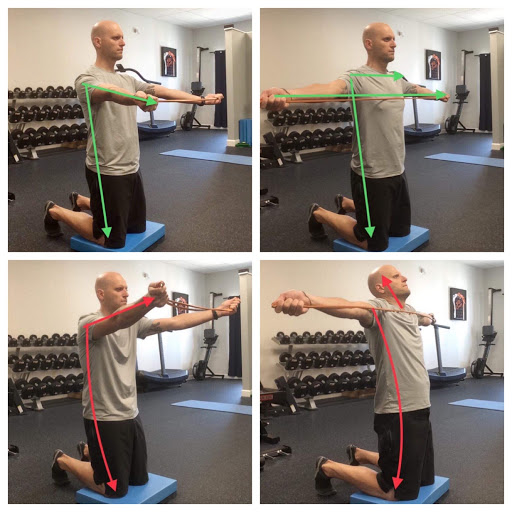
In a tall kneeling position (both knees on the ground), start by pulling the toes under the shins. Press the hips forward and raise the band to chest height with the palms facing upwards as depicted by the green arrows. Pull the band outward with the elbows remained in a straight (not locked) position.
Complete 2-4 sets of 10-15 repetitions.
|
|
|
Common mistakes:
The most common mistakes are starting with the back rounded and the arms raised above the shoulders, extending or arching the back, and shrugging the shoulders during the pulling phase as depicted by the red arrows.
|
|
Why do it?
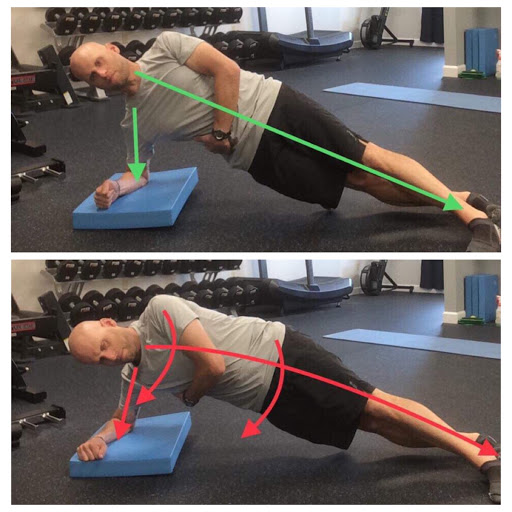
The side plank with hip dip is a great drill to focus on the obliques, outer hip, and shoulders.
How to do it well:
Start with the elbow directly under the shoulder and the feet in either a stacked position or heel to toe position with the hips in a neutral position. In a slow, controlled manner, draw the abs in and lift the hips towards the ceiling then return to the floor.
Complete 2-4 sets of 8-12 repetitions.
Common mistakes:
The most common mistakes are starting with the hips too high, the elbow not aligned with the shoulder, and the shoulders rounded forward.
|
|
Why do it?
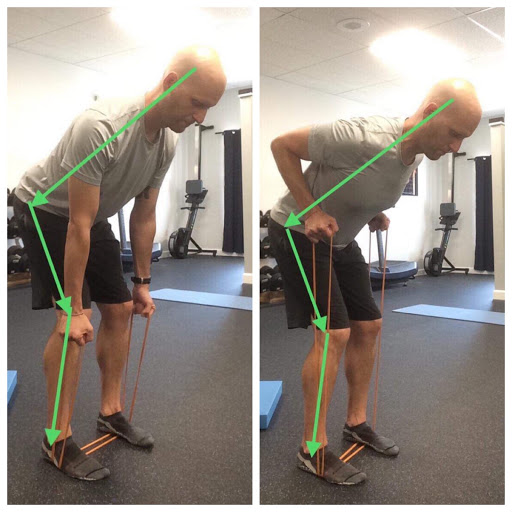
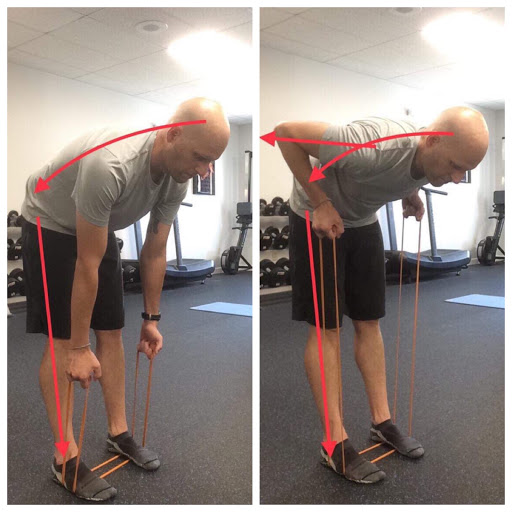
The band bent over rows is a great drill to improve the spine stabilizers and strengthen the upper and mid back.
How to do it well:
Standing on the band with the feet hip width apart, slightly bend the knees, stick the butt back, and draw the shoulder blades together creating a strong, neutral spine. Pull the band upwards and imagine bringing the hands towards your pockets with the elbows straight up. Return the arms to a straight position.
Complete 2-4 sets of 12-15 repetitions.
Common mistakes:
The most common mistakes are standing with the knees straight, rounding the spine, and allowing the elbows to pull outside.
|
|
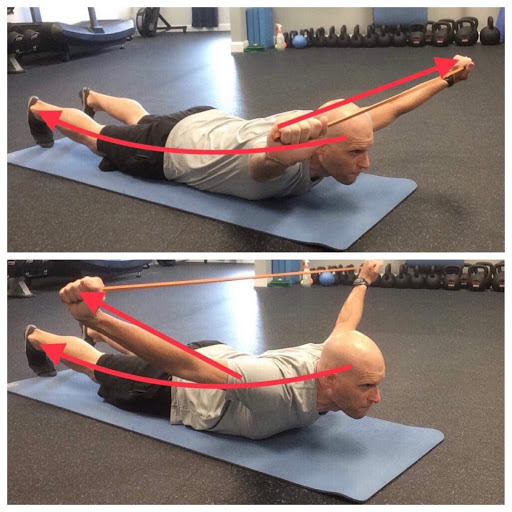
Why do it?
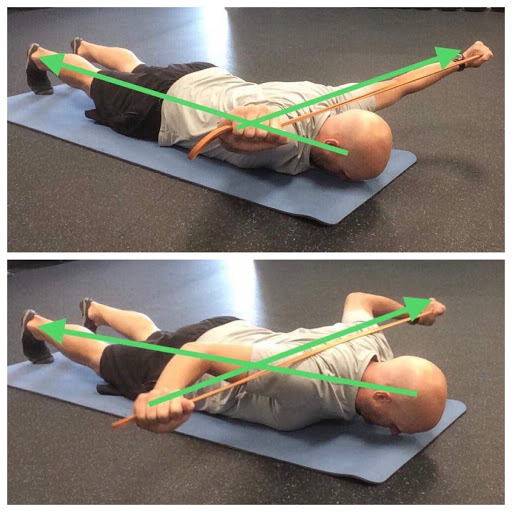
The superman band press is a great drill to strengthen the posterior chain, including the paraspinal muscles, lats, posterior deltoid and rhomboids all while improving mobility of the shoulders.
How to do it well:
Start by lying face down with the hands towards the end of the band with the palms facing down. Push the toes into the floor and extend the knees while pulling the band slightly higher than the head. Put tension on the band while pulling the band behind the head until the elbows reach the end point. Return the arms to a straight position while keeping tension on the band.
Complete 2-4 sets of 8-15 repetitions.
Common mistakes:
The most common mistakes are extending the back and allowing the chest to leave the floor, pulling too much tension on the band, and not bending the elbows as the band comes behind the head.
|
|
NELMSC Officer Pre-Election Slate
|
|
|
|
|
|
|