|
Sacramento Scene: 2025-26 California Budget Process Related to Education
By Matt Patton, Executive Director
| |
|
Governor Gavin Newsom's proposed 2025-26 state budget, unveiled on January 10, 2025, allocates a total of $322.2 billion in expenditures, including approximately $228.9 billion from the General Fund (California Proposed Budget 2025-26).
The budget projects Proposition 98 funding at $118.9 billion, reflecting a decrease from the previous year. This allocation translates to an average per-pupil funding of $18,918 from Proposition 98 sources, with additional federal and state funds bringing the statewide average to $24,764 per student. Notably, the budget includes a $2.4 billion ongoing Proposition 98 investment to fully expand Transitional Kindergarten (TK) to all children turning four by September 1, 2025 (OCDE Newsroom, 2025).
Education highlights pertinent to agricultural education include:
-
Local Control Funding Formula (LCFF): An allocation of $2.5 billion, reflecting a 2.43% cost-of-living adjustment (COLA), to support K-12 education funding (Governance, 2025).
-
CTE Program Streamlining: A proposal to consolidate applications for TK-12 CTE categorical programs into a single, simplified process to improve access and administration (eBudget, 2025). The practical implications of this change remain to be seen.
| |
|
CATA Bylaw Revisions
By Matt Patton, Executive Director
| |
|
Creative Legal Solutions LLC has been retained by the California Agricultural Teachers’ Association (CATA) to assist each region in obtaining independent nonprofit status and to formalize an agreement between the state CATA organization and the six CATA regions in California.
During this process, Creative Legal Solutions reviewed the state CATA bylaws and determined that the bylaws, originally written in the 1950s, are inadequate under current California law and lack significant provisions required by the California Nonprofit Mutual Benefit Corporation Law.
To protect its members, employees, and governing body, CATA has been advised to draft entirely new bylaws that comply with current legal standards rather than amending the existing ones. These new bylaws will incorporate all required and recommended provisions and will specifically outline the formation, operation, and relationship of the six CATA regions to the state organization.
On January 29, 2025, the CATA Executive Committee voted to contract with Creative Legal Solutions LLC to draft new bylaws for CATA. The Executive Committee is committed to ensuring a transparent process, providing multiple opportunities for members to review the newly drafted bylaws, and ask questions. After thorough review, the bylaws will be submitted for approval by the CATA membership, requiring a two-thirds vote at the CATA Summer Conference.
Please note that the revised bylaws will not significantly change our organizational structure. The great traditions of our organization will be preserved, serving as a blueprint for the new bylaws. If you have any questions about the rationale for the rewrite or the adoption process, please contact Matt Patton at mpatton@calagteachers.org.
| |
|
Finding a Mentor in California Agricultural Education: The Power of Collaboration
By Travis Cardoso, Agricultural Teacher, Turlock High School
| |
|
Mentorship is an essential component of professional growth and development, particularly in specialized fields like agricultural education. In California, the agricultural education community provides a wealth of opportunities for educators to connect with mentors who can offer guidance, support, and resources throughout their careers. This article delves into the methods of finding a mentor within the realm of California agricultural education, the significant benefits of collaboration, and the pivotal role played by the California Agricultural Teachers' Association (CATA) in fostering mentorship among educators.
The Importance of Mentorship in Agricultural Education
Mentorship acts as a critical bridge for new educators as they embark on their journey in the field of agricultural education. It equips them with invaluable insights into effective teaching practices, classroom management strategies, and curriculum development techniques. By engaging closely with experienced mentors, educators not only gain confidence in their abilities but also enhance their effectiveness in the classroom. This relationship fosters a culture of collaboration and mutual support, where educators are encouraged to share resources, innovative ideas, and effective teaching strategies. Ultimately, this collaborative spirit benefits students by enriching their learning experiences.
In the sphere of agricultural education, the importance of mentorship is amplified due to the unique challenges faced by educators in this field. With rapid advancements in agricultural technologies and practices, having a knowledgeable mentor can help educators stay aware of the latest developments and trends. Additionally, mentorship can open doors to networking opportunities and professional growth, which are essential in this ever-evolving field. As educators navigate these complexities, they are better equipped to prepare their students for success in a dynamic agricultural landscape.
| |
CATA Awards and Summer Conference | |
We’re thrilled to share the latest details about the 2025 CATA Awards and Summer Conference: | |
|
CATA Awards
-
New Submittal Process: All award applications must now be submitted online through Cognito Forms. Other submission methods will not be accepted. Applications are due by 11:59 p.m. on February 15, 2025. Visit the CATA Awards and Applications page for application links and additional details.
-
Introducing the Ideas Unlimited Award: This exciting new award recognizes innovative ideas from our members. Learn more and apply. (Stay tuned for potential integration with the Farm Show and Idea Show!)
CATA Summer Conference
Registration is open! Visit the CATA Summer Conference page for updates and the registration link.
Thank you for your dedication to agricultural education. We look forward to celebrating your achievements and seeing you at the CATA Summer Conference!
| |
|
The Costs and Benefits of Colleges Providing Field Days to FFA Chapters
By Kevin Woodard, Instructor, Reedley College
| |
|
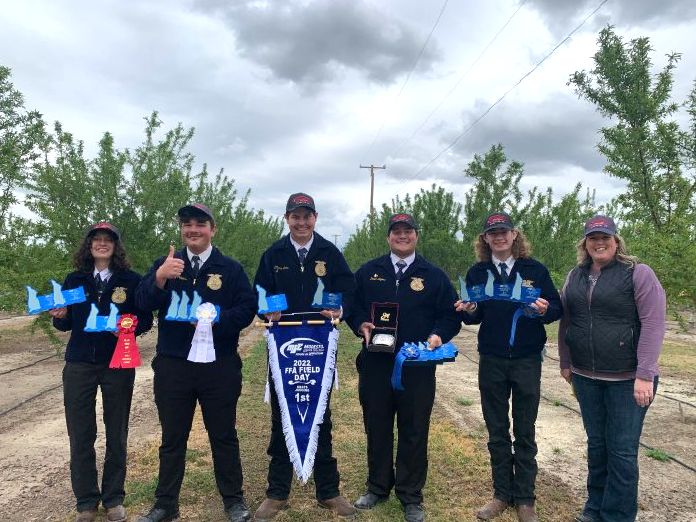
Colleges with agriculture programs have a long-standing tradition of hosting FFA field days. These events provide valuable learning experiences for high school students while offering numerous benefits to both the colleges and participating FFA chapters. However, organizing such events also comes with financial and logistical challenges. This article examines the costs and benefits associated with colleges providing FFA field days.
A Personal Perspective
In 2015, after completing my seventeenth year as a high school agriculture teacher, I made the decision to take a position at the community college level. The excitement of a fresh start, coupled with the challenges of learning a new system, gave me the opportunity to view agricultural education with a fresh perspective. I began to realize how fortunate we are to work within a collaborative system focused on fostering student growth and development at all grade levels. After years of training teams to compete at various FFA field days to prepare my students for their state finals competition, I was now tasked with training my college students to plan and execute our own FFA field days and events. Through this experience, I’ve gained some valuable insights.
FFA Field Days: An Investment in the Future of Agriculture
FFA field days offer significant benefits for students, colleges, and the broader agriculture community. These events not only provide students with hands-on learning experiences but also foster connections between educational institutions and industry professionals. By participating in FFA field days, students gain essential skills and insights that prepare them for successful careers in agriculture and beyond.
- Enhancing Career and Leadership Development: FFA field days serve as platforms for students to participate in career and leadership development events. These activities focus on public speaking, teamwork, critical thinking, and technical skills that are essential in the agriculture industry. Exposure to these competitive events helps students refine their abilities and prepare for future careers.
| |
|
Thank You Corporate Members!
The California Ag Teachers' Association appreciates the commitment of our corporate members who support agricultural education.
| |
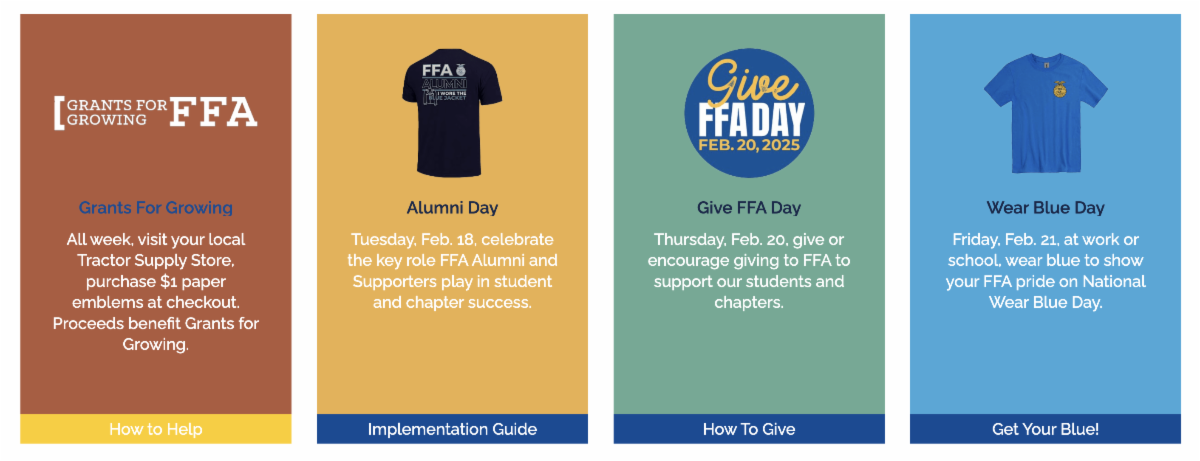
Celebrate National FFA Week - February 15-22, 2025 | |
|
Each year, FFA chapters around the country celebrate National FFA Week. It’s a time to share what FFA is and the impact it has on members every day.
What better way to show your support of FFA than to get involved in FFA Week? Whether it’s in person, on the phone or via social media, be sure to share your FFA stories during #FFAweek!
National FFA has created a variety of resources, including an implementation guide for FFA leaders, to make your National FFA Week a week to remember!
| |
Giving Tuesday Jacket Distribution | |
|
Thanks to another successful Giving Tuesday, the California FFA Foundation raised enough funds for every chapter in the state to receive necessary components of FFA’s official dress, including a blue corduroy jacket and a gift card to purchase other uniform essentials. The set is to be given by the chapter to a dedicated FFA member who cannot afford to purchase their own official dress. Every chapter in California is eligible to apply.
Complete the Jotform (one per chapter) and the FFA Foundation will submit your order to National FFA on your behalf. Be sure to have your chapter number, shipping address, jacket types and sizes, and scarf and tie preferences before you start the form. If you have any questions, please contact Heather Casjens at hcasjens@californiaffa.org.
| |
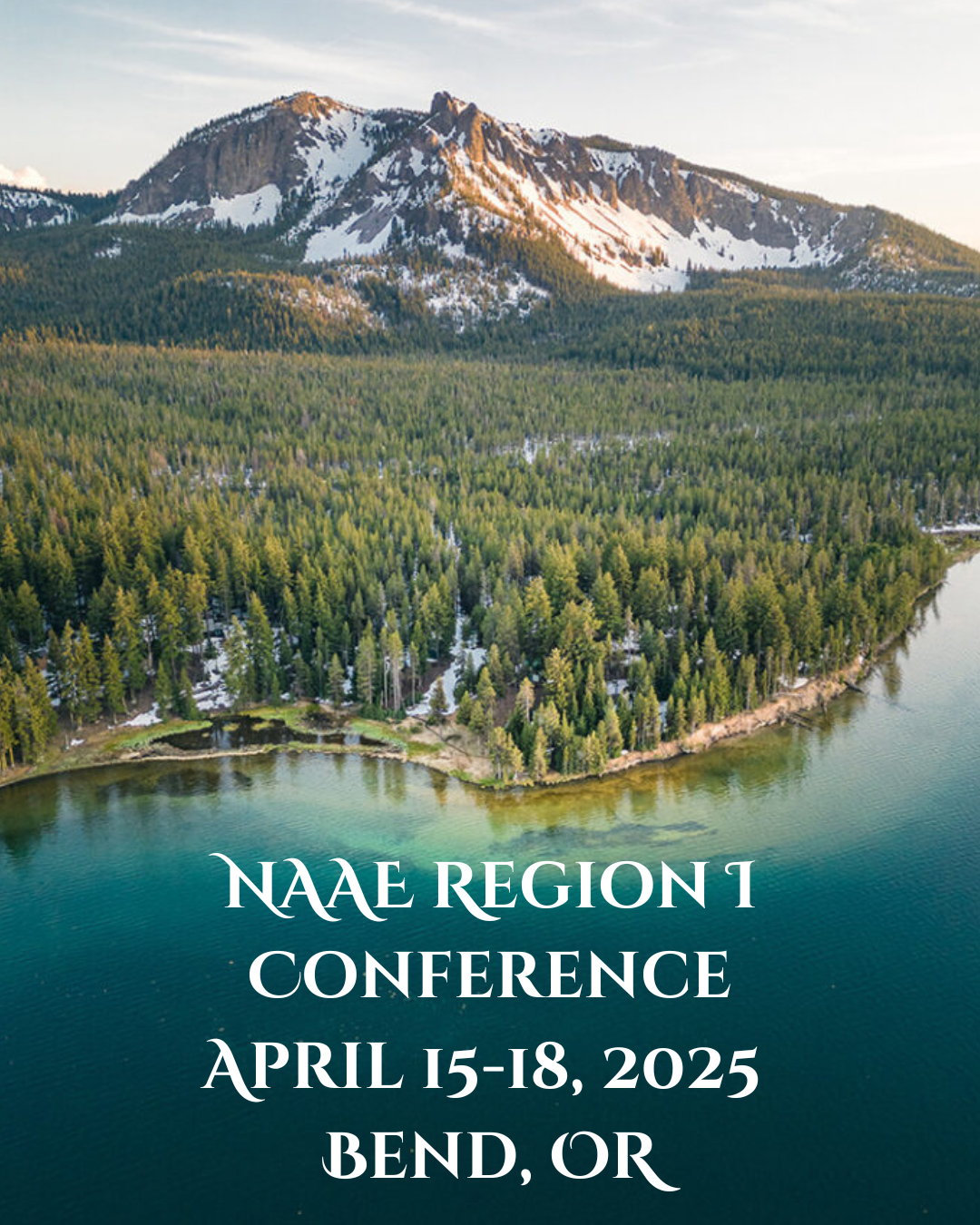
NAAE Region 1 Conference: Grow, Connect, Inspire! | |
Join us for the NAAE Region 1 Conference from April 15-18, 2025, at Tetherow Resort in Bend, Oregon. Engage in professional growth, explore new teaching strategies, and connect with leaders in agricultural education. Take part in hands-on experiences that will inspire fresh ideas for your classroom. Register now at ovata.org. | |
Wilco’s Chapter Grant Program | |
|
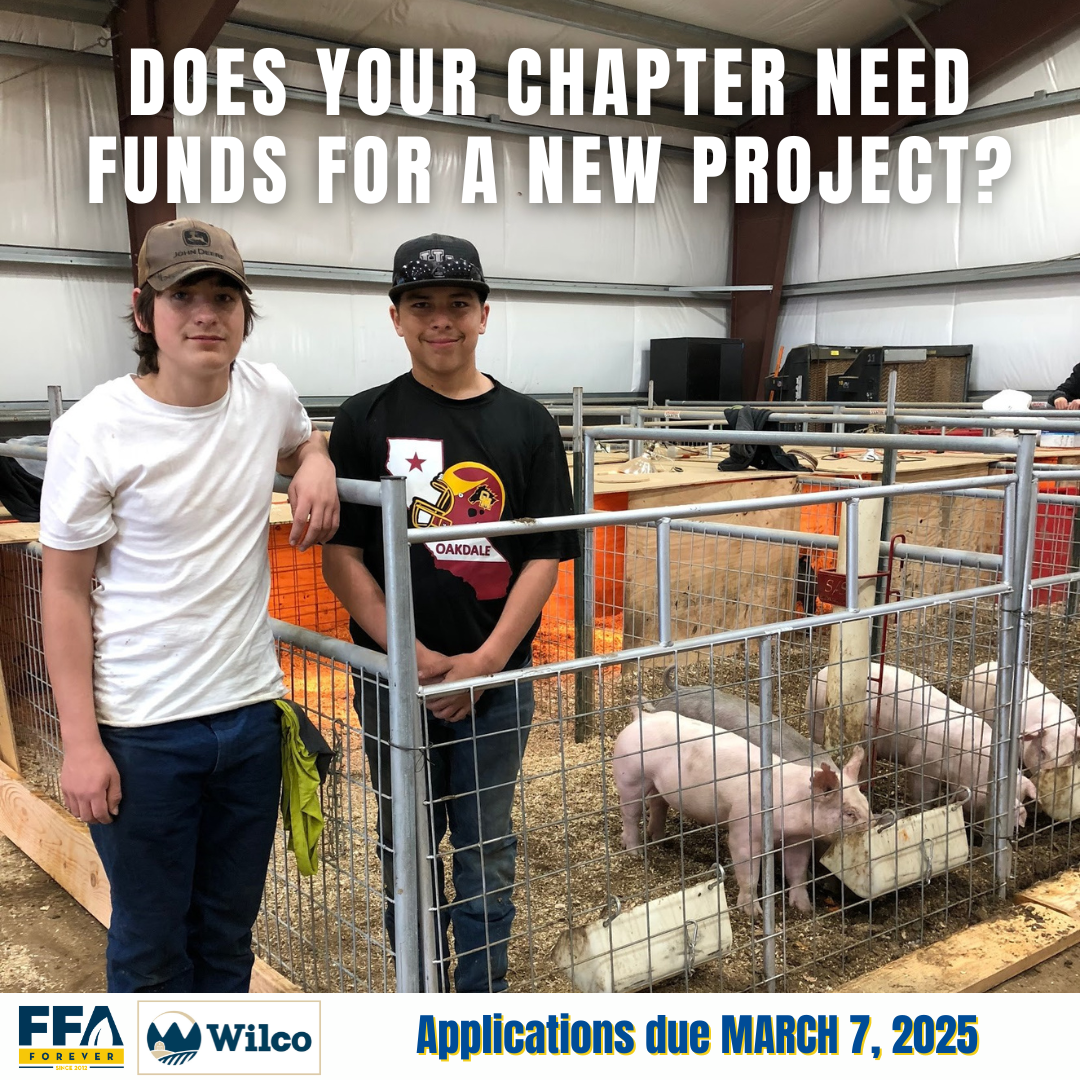
Wilco’s FFA grants support chapters that need funding for special projects that will make an impact on their FFA chapter or greater community. Selected projects will receive $250-$4,000 grants, and ALL active California FFA chapters are eligible. Previously funded projects have included chapter equipment and facility improvements like greenhouses and land labs, educational activities, and service projects. The next application period is open now through March 7, 2025. Be sure to visit www.wilco.coop/community/ffa-forever for grant requirements and application details.
| |
Scholarships for FFA Members | |
|
Help your students turn their FFA experiences and passion for agriculture into scholarship opportunities! Share these three great options with your seniors and encourage them to apply:
Blue Diamond Growers Foundation
If your students live in an almond-producing area of California and plan to major in crop production, plant science, or a related field at a four-year university, they may qualify for a Blue Diamond Growers Foundation scholarship. Applications are due March 31, 2025. Learn more at bluediamondgrowers.com/scholarship-program.
Safe Food Alliance
For students pursuing food science, biology, chemistry, or another related science at a California college, the DFA Scholarship Foundation offers awards ranging from $500 to $5,000. Applications must be submitted by April 1, 2025. Details at dfaofcalifornia.com/scholarship-foundation.
Don Diego Scholarship Foundation
The Don Diego Scholarship Foundation awards scholarships to deserving graduating high school seniors and graduates from the San Diego area who have participated in activities at the Del Mar Fairgrounds, including the San Diego County Fair. A total of $88,000 in scholarships is available, with individual awards ranging from $1,000 to $5,000. The application deadline is midnight on April 15. Learn more at dondiegoscholarship.org.
Encourage your students to apply—these opportunities can help fund their future in agriculture!
| |
|
National FFA News and Updates
Compiled by Cara Parlato and Audrey Lent, National FFA Teacher Ambassadors
| |
|
Become a Teacher Ambassador for National FFA
National FFA is looking for their next cohort of teacher ambassadors! The National Teacher Ambassadors for FFA are equipped to help answer questions and provide training related to the various educational resources and experiences offered by the National FFA Organization. Apply today!
New Resource: FFA 101
This 27-page guide is your go-to resource for understanding FFA! Designed for educators, advisors, and chapter leaders, it covers everything from FFA history to official dress. Packed with essential information, it also includes a handy glossary of FFA acronyms to make navigating the organization even easier.
Living to Serve: A Look at Community Service in FFA
This new program insight brief includes data about Living to Serve grant recipients as well as impact numbers about community service completed during National FFA events like National FFA Week, WLC, and the National FFA Convention & Expo. Read it here.
| | | | |