Photo Credit: Katie Spellman | | Sharing STEAM opportunities and resources through statewide collaboration | Welcome to the AK STEAM Collaboration newsletter. On a quarterly basis we share Alaska and Arctic-focused opportunities and resources for educators in science, technology, engineering, arts and math (STEAM). This is a service of the NNA-Community Office and University of Alaska Fairbanks International Arctic Research Center in partnership with the Alaska Science Teachers Association. This collaboration will continue through 2026. | | | |
Classroom Resources
Curriculum, classroom activities, citizen science opportunities
| Photo credit: Alaska Department of Fish & Game | |
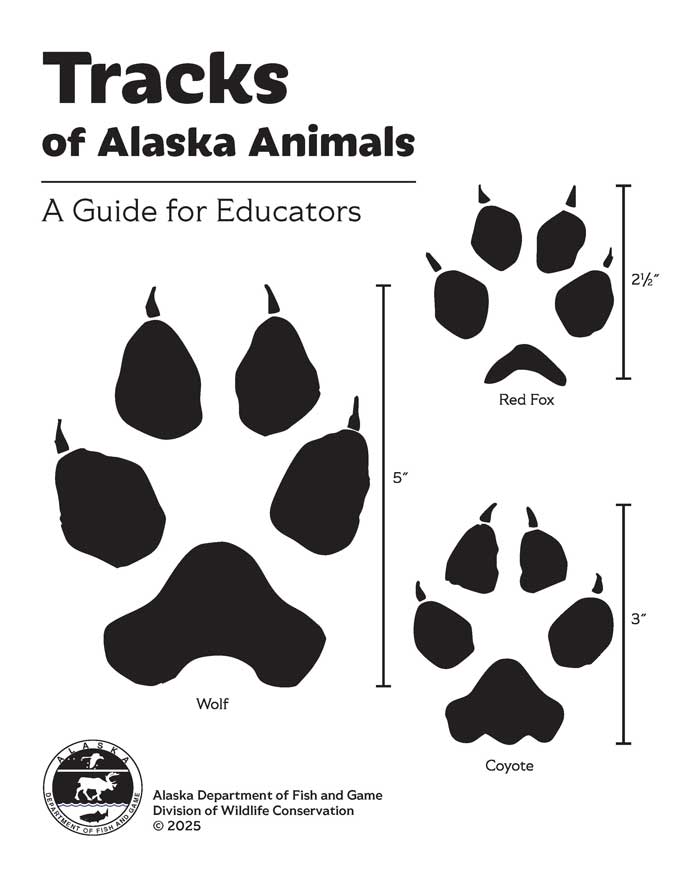
Tracks of Alaska Animals: A Guide for Educators
Animal tracks are a wonderful teaching tool for educating students about observation skills, classification, and the diversity of wildlife in their environment. This guide provides background information on the tracks of individual species and groups of similar animals, as well as hands-on activities for students. Get the guide and check out an animal tracks kit in the link below.
| |
Getting started with Science Standards for Alaska
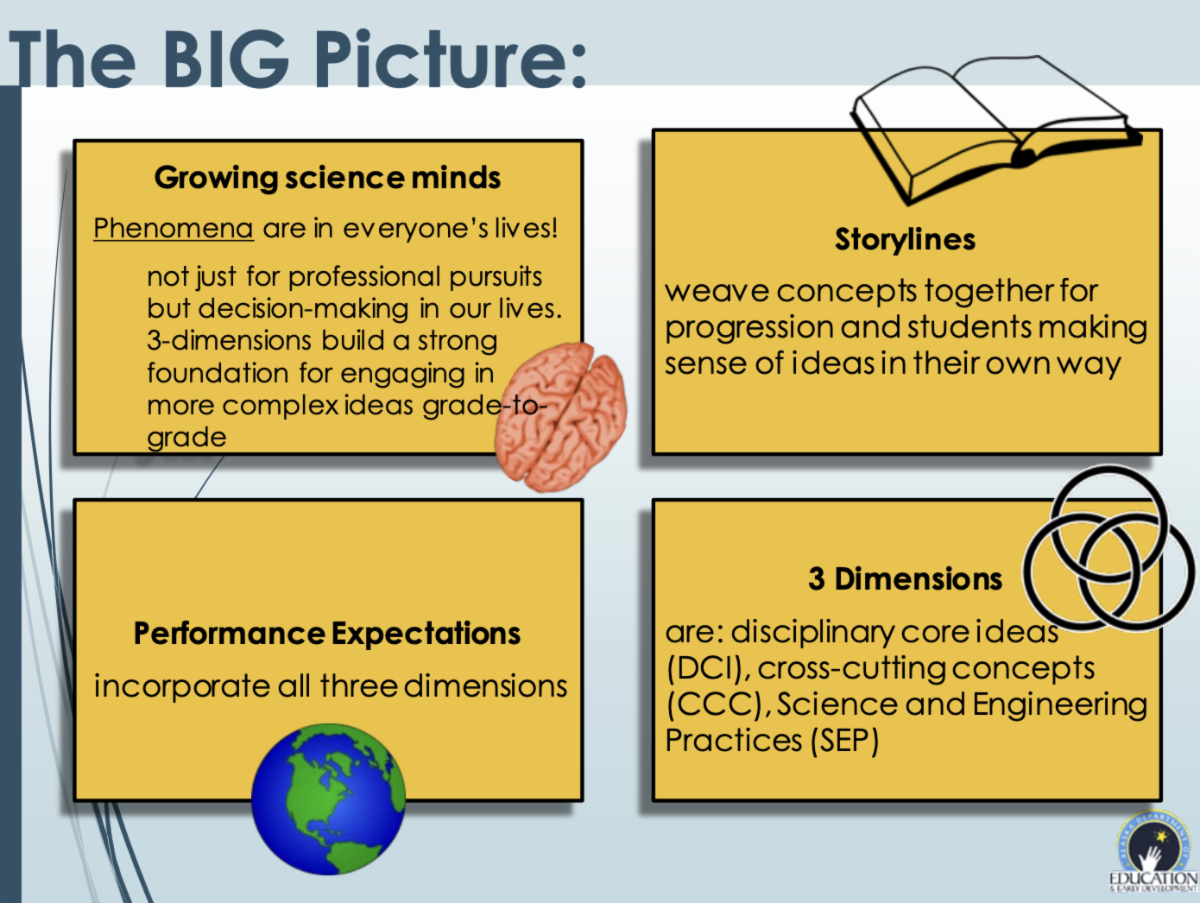
Are you new to Alaska, or new to teaching science here? Jump start your understanding of the Science Standards for Alaska with introductory webinars created by Alaska teachers for Alaska teachers!
| Photo credit: International Arctic Research Center | |
New wildfire education resources
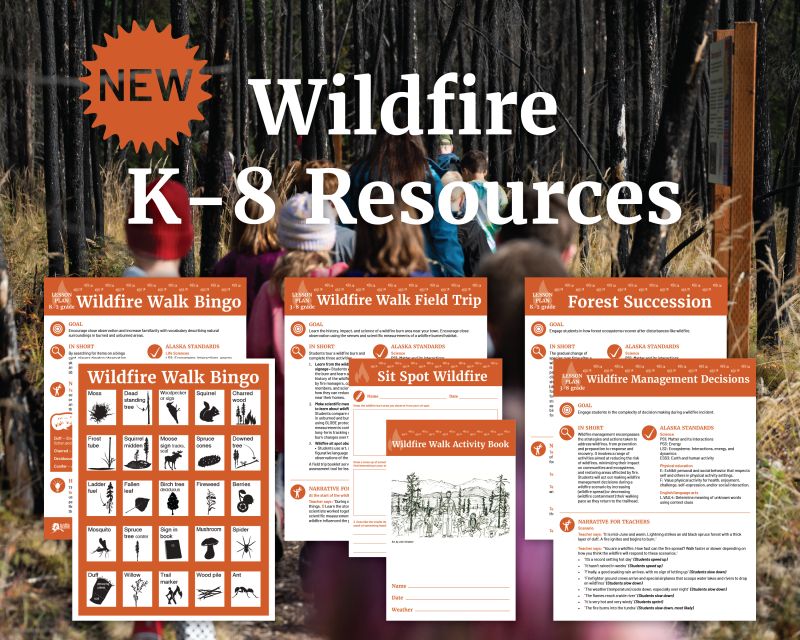
The Alaska Fire Science Consortium and the International Arctic Research Center’s Education & Outreach group have released new lesson plans to make field trips to burned areas convenient, easy and fun. The materials are designed to help educators and parents meet learning objectives as they take students to the Wildfire Walk interpretive trail on UAF’s campus. People in other communities can find a previously burned area to visit using the Alaska Wildfire Explorer tool.
| Photo credit: Tori Brannan | |
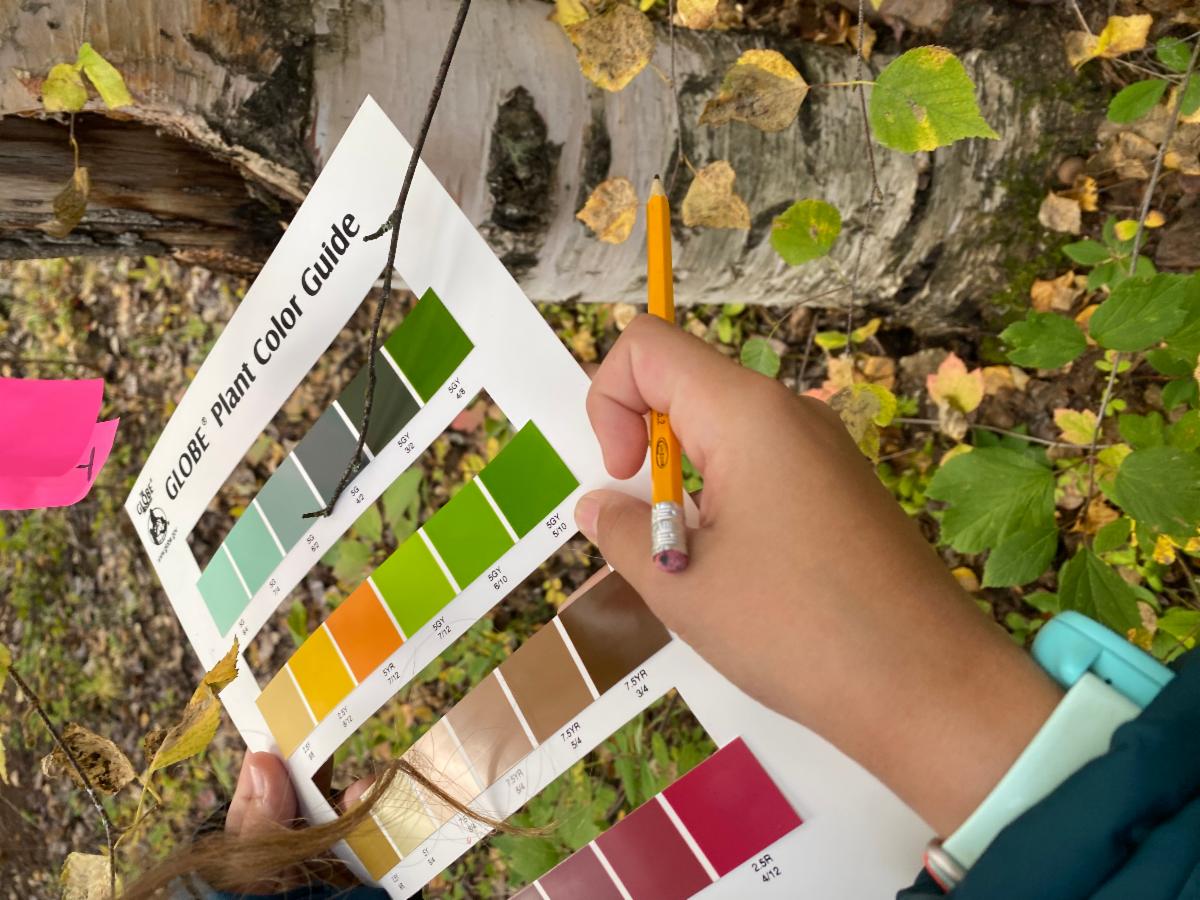
Study Green-Down with UAF and NASA GLOBE
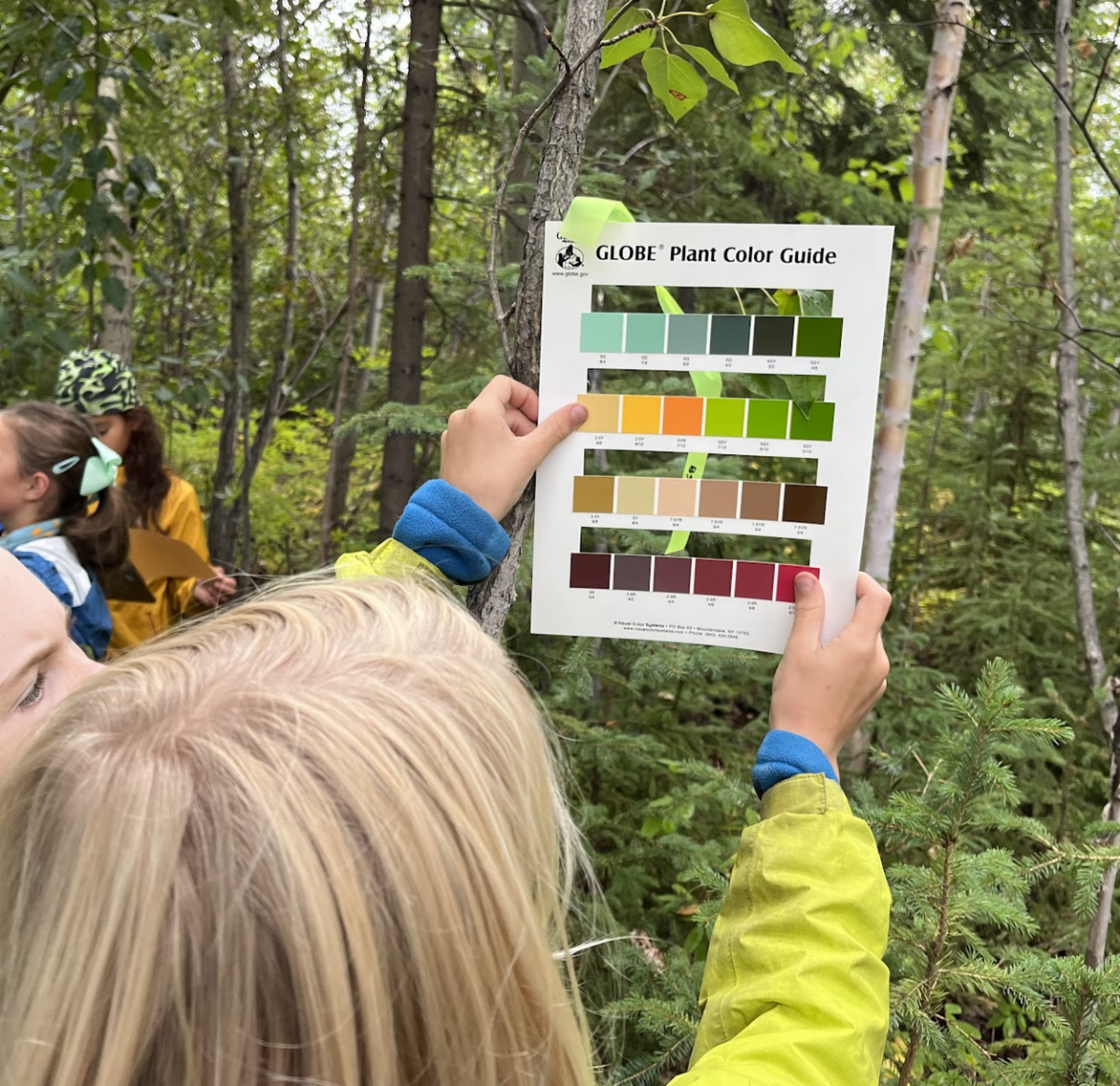
Welcome back to the fall season! As school starts up again, so does the phenological occurrence called Green-Down. The UAF International Arctic Research Center Education & Outreach group, in partnership with Global Learning and Observations to Benefit the Environment (GLOBE), studies Green-Down with students K to grey to help scientists track how the timing of the seasons is changing and how that might affect the earth’s climate and carbon budget. You can help! If you’re in Fairbanks, we can send a scientist to your classroom to help you get started! Outside of Fairbanks, we can connect with you via Zoom.
| |
New “Energy Perspectives” lesson plan available for grades 6-12
Check out AK EnergySmart's new "Energy Perspectives" lesson plan for grades 6-12! In this lesson, students will participate in a mock community meeting to discuss which energy grant their hypothetical Alaska community should apply for. Each student will receive a community role and must argue their perspective based upon what they know about their assigned role.
| |  | Photo credit: Alaska Waters | |
Alaska Waters Education Resources
Check out high-quality, place-based lessons, activities, and resources that engage and inspire Alaskan youth to connect with marine and watershed ecosystems. Lesson plans are searchable by topic, grade, location needs, technology requirements, and activity type. Activities include labs, field trips, games, projects, hands-on exploration and more!
|
Science Stars!
Awards and nominations
| Photo credit: National Science Foundation | |
Presidential Awards for Excellence in Mathematics and Science Teaching (PAEMST) suspended
On July 18, 2025, the National Science Foundation announced that it will pause the Presidential Awards for Excellence in Mathematics and Science Teaching (PAEMST) until further notice. The Alaska Science Teachers Association (ASTA) has been the coordinating agent for the PAEMST program in Alaska. ASTA President Patty Brown said, “We are extremely disappointed and know there are so many deserving teachers out there, including this year’s finalists whose names were submitted. We will continue to advocate for acknowledgement and rewards for teachers who strive for excellence every year.”
| Photo credit: National Geographic Society | |
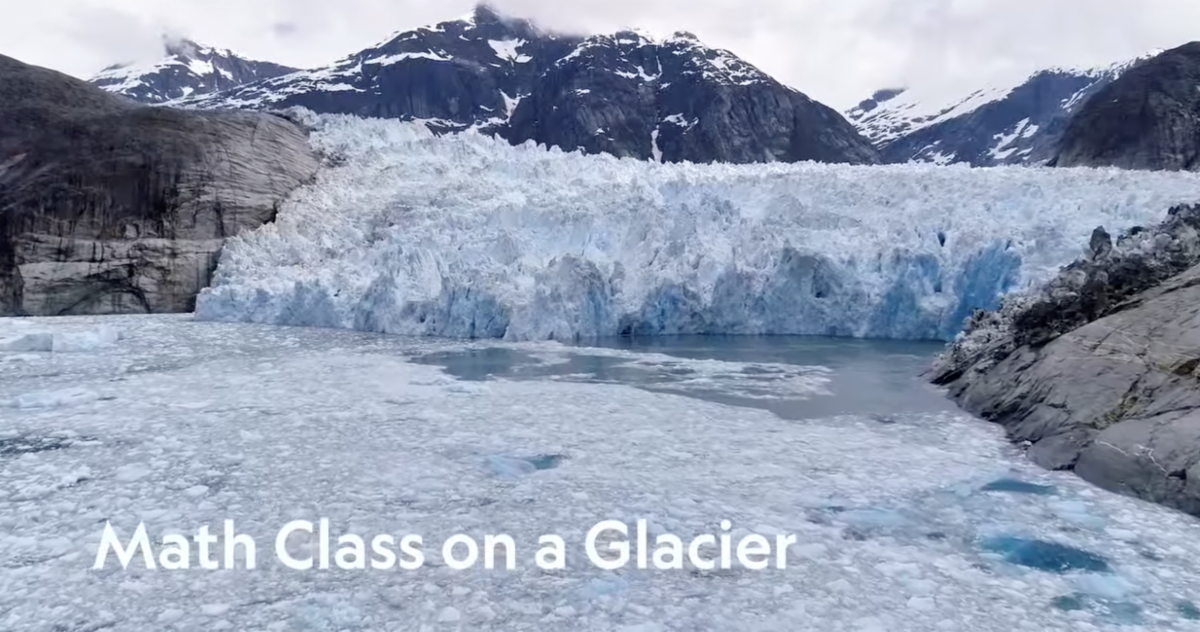
Math Class on a Glacier
Since 1983, the students of Petersburg, Alaska, have been documenting the LeConte Glacier, the southernmost tidewater glacier of the Northern Hemisphere. What started off a class project to learn surveying techniques is now one of the longest-running research projects documenting climate change first hand. Join the students of Petersburg high school as they document the same glacier using the same techniques as students from 35 years ago.
| Photo credit: Renewable Energy Alaska Project | |
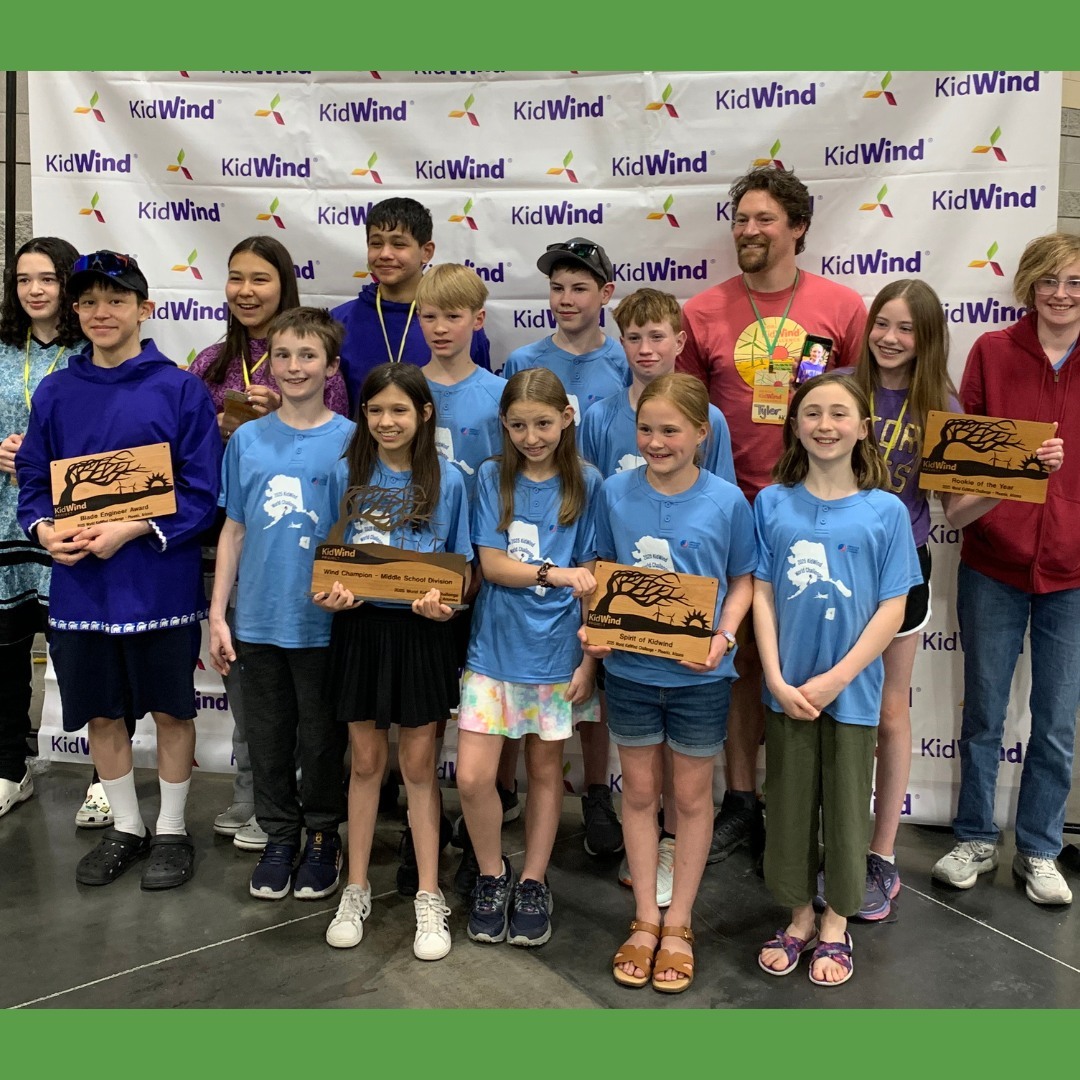
Young Alaskans compete and win in the World KidWind competition
Six student teams represented Alaska at the 2025 World KidWind Challenge in Phoenix, AZ this summer. Teams from Anchorage, Gambell, and Wasilla competed against 135 other teams, the largest KidWind field ever, to show off their engineered wind turbines and solar homes. Four of the six Alaska teams earned top performance or special recognition awards. Congratulations to the Five Muskeeters (Top Performers), Victory Volts (Rookie of the Year), JEMS (Spirit of KidWind), and Qughsatkut Wind Blazers (Blade Engineers).
| | | Opportunities for Educators | | |
Resources for Teaching Science in Alaska
This webinar series is ideal for any Alaska science teacher, those pursuing teaching degrees, and administrators/district staff interested in learning more about place-based science resources. There will be a different guest speaker (ASTA, UAF, Dept. Fish and Game, REAP, and more!) each week. All resources shared will be open-source and free.
Resources for Teaching Science in Alaska’ allows educators flexible credit options.
-
1 UAA credit ($79): Register here
- Create an account with UAA. Then the above link will take you to registration for correct course (A581).
-
1 CEU ($50 due to DEED at time of recertification): Register here
-
No credit (free):register for sessions you’re interested in: Register here
All sessions will be from 4:30pm to 6:30pm. Educators can attend 8 out of 10 sessions for credit or sign up to attend specific sessions.
Course Dates: September 4th, September 18th, September 25th, October 2nd, October 9th, October 16th, October 23rd, November 6th, November 13th, November 20th.
Photo credit: AK DEED
| | | |
Let's keep growing, scientists
The Alaska Science Teachers Association is turning 50 next year! We want to continue inspiring and connecting science teachers across the state for years to come, and to do that, we need members. Members are eligible for mini-grants and receive an online newsletter.
Photo credit: AKSTA
| | |
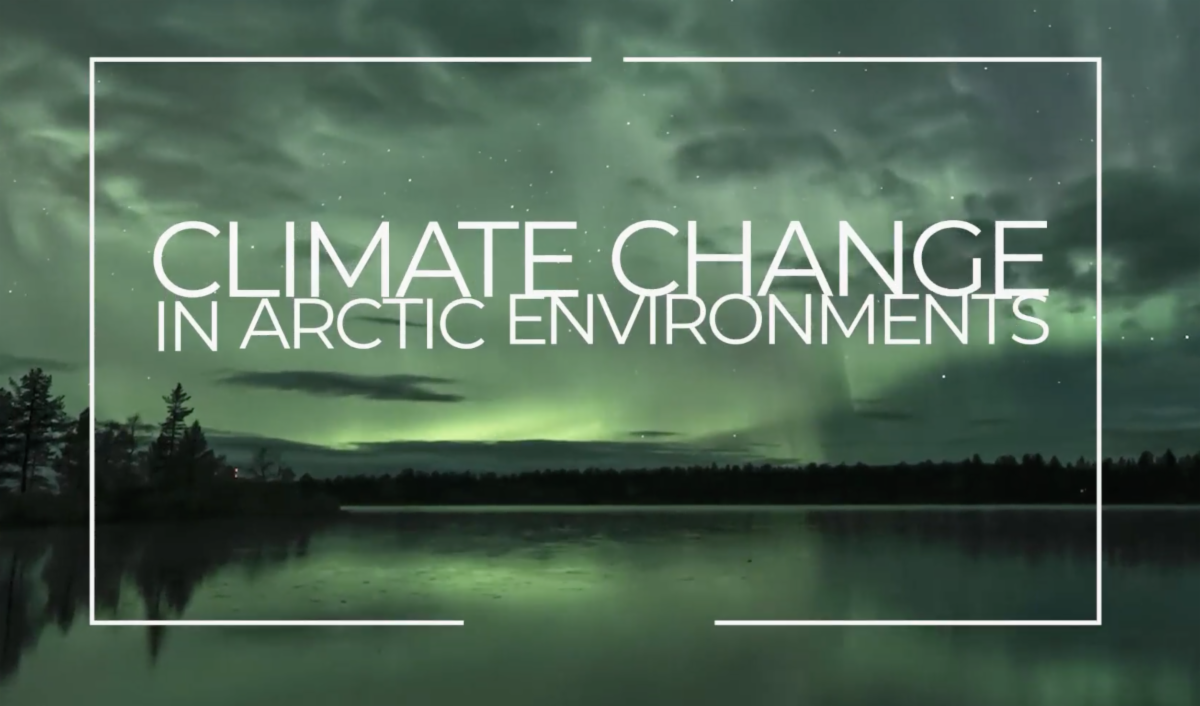
Learn about climate change in a self-paced online course about the Arctic from America’s Arctic University
Climate Change in Arctic Environments is a self-paced massive open online course (MOOC) that covers modern climate science and the impacts of climate change across atmospheric, marine, terrestrial, and human systems. Developed by researchers at the University of Alaska Fairbanks’ International Arctic Research Center, this course is a great introduction to a huge range of topics impacted by climate change!
Photo credit: International Arctic Research Center
| | |
Sign up for REAP’s Power Pledge Challenge
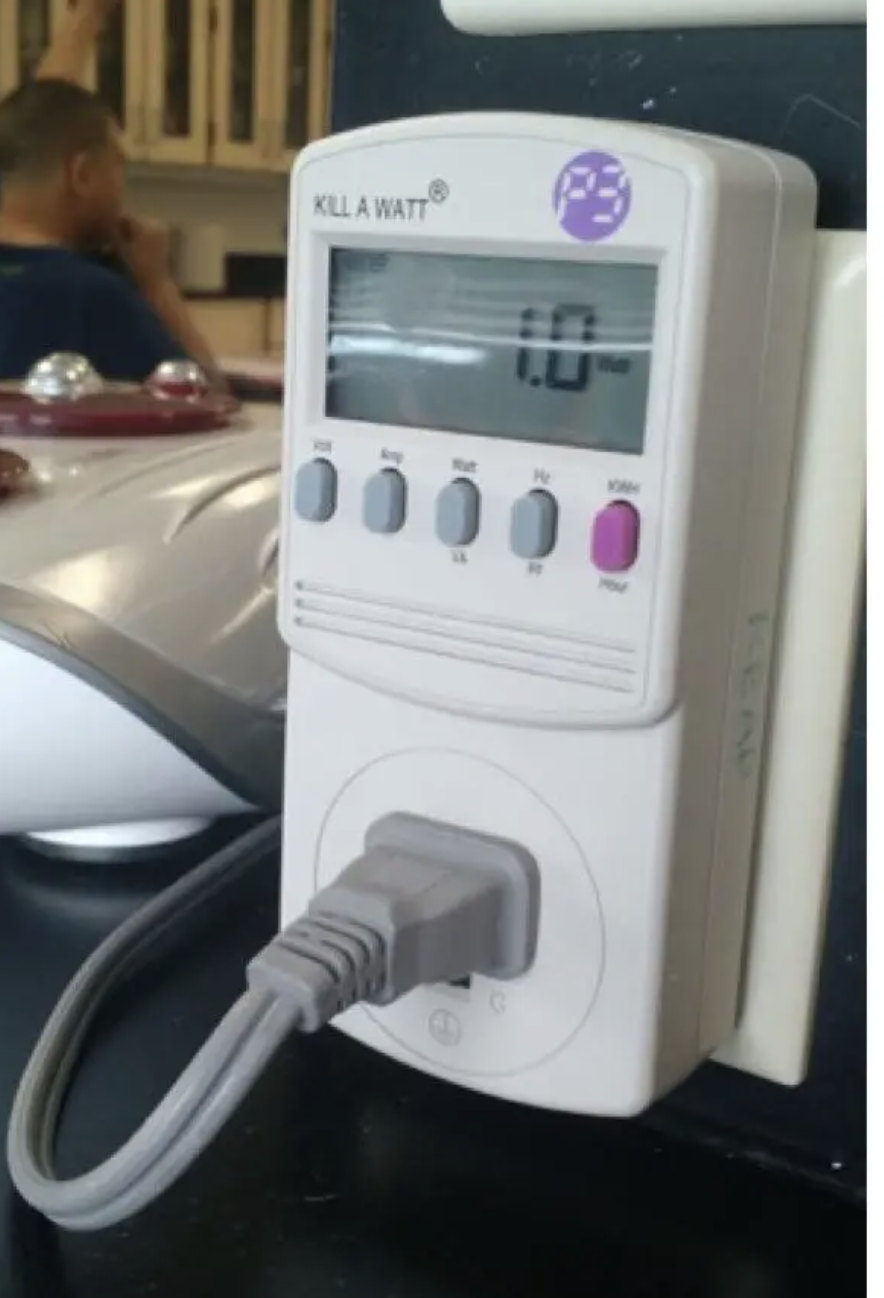
Time to sign up for the annual Power Pledge Challenge (PPC)! In the PPC, 4th through 12th grade classes receive a hands-on guest presentation from Renewable Energy Alaska Project on energy efficiency. Students then go online to pledge to reduce their energy use. Each presentation gets you entered to win prizes! Competition open from August through November to schools within our partner regions!
Photo credit: REAP
| | | Opportunities for Students | |
Get creative for the 2025 International Chemistry & Art Competition!
Now’s the perfect time to gather your ideas and explore how chemistry influences the world around you! Students aged 5-19 are encouraged to submit artwork based on the theme “What is chemistry to me?” to the International Chemistry & Art Competition by October 1, 2025.
Photo credit: International Chemistry and Art Competition
| | | |
The Navigating the New Arctic Community Office builds awareness, partnerships, opportunities and resources for research funded by the National Science Foundation.
Our education team helps NNA researchers engage with Arctic-inspired educators in culturally responsive ways.
| | |
The International Arctic Research Center is a part of the University of Alaska Fairbanks. Our purpose is to understand the Arctic to make a difference.
Our education-related programs provide opportunities for K-12, college students and citizen scientists to engage in meaningful climate research.
| | |
The Alaska Science Teachers Association works to inspire, promote and support excellence in science education.
Join colleagues across the state and share ideas, values and priorities in teaching science in the public schools or other sites.
| | | | |