REMINDER: YOUR SUBMISSIONS ARE ENCOURAGED | | |
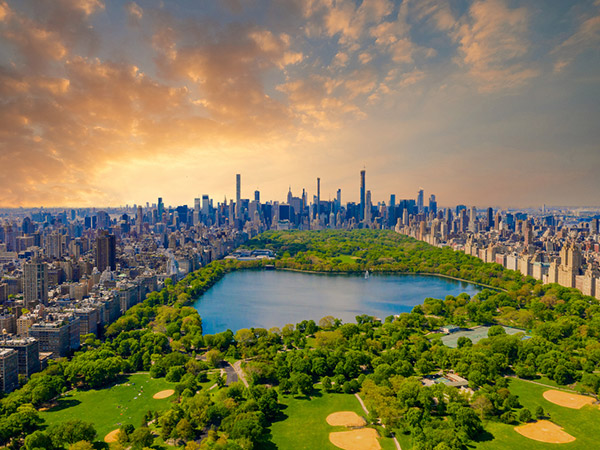
1. I've been spending time in New York City this month, so I'm starting this week with a deep dive into one of my favorite places here, Central Park.
2. In Gardening, I have some tips on growing artichokes, along with a picture of a transplant that my daughter Violet nursed along in a planter and got to bloom.
3. In Around Town, I have some information about Tucson Village Farm's Midweek Market including their spring schedule.
4. In Reaching High, a British ex-marine completed his goal of traveling from England to the summit of Mt. Everest almost entirely under his own power in what is being dubbed the 'world's longest triathlon."
5. In the Kid's Corner, I have a great guide to kid-friendly shows currently in Broadway theaters.
6. In Tennis, I have an article with ten exercises you can do to ward off and remediate shoulder pain associated with playing tennis.
| | Now, to this week's Flock. | | 1. Travel: Central Park, NYC | | I've been in NYC for a while now. It's a city I call home when I'm here. I lived here for 17 consecutive years while I taught at Trinity School and attended Columbia. New York City raised me, and I'm grateful. I think my greatest NYC achievement was staging the first-ever fishing derby at the Lake in Central Park. We foraged for worms on Central Park's westside lawns. The children caught trout, some with fishing poles made from park tree branches. One five-year-old put a hook through her left thumb while baiting it with a worm. Ouch! I've been getting out to the Park as much as I can. It's been bustling with cyclists, runners, and families enjoying the fresh air and open spaces. Seeing young people on rowboats and fishing in the Lake is so lovely. Below are a few of my favorite spots in the Park, taken from the Central Park Conservancy website, the ultimate online guide to the Park's many features. | | |
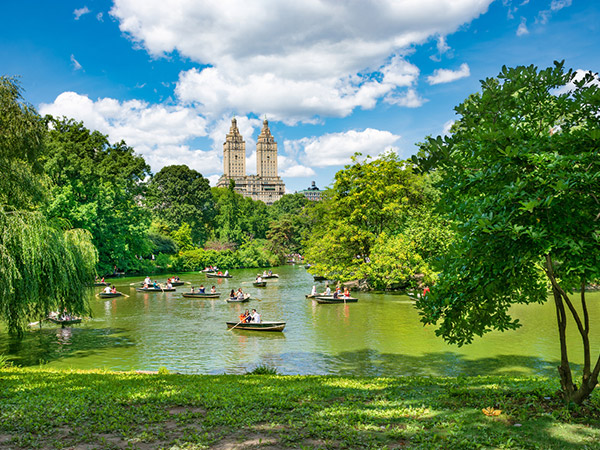
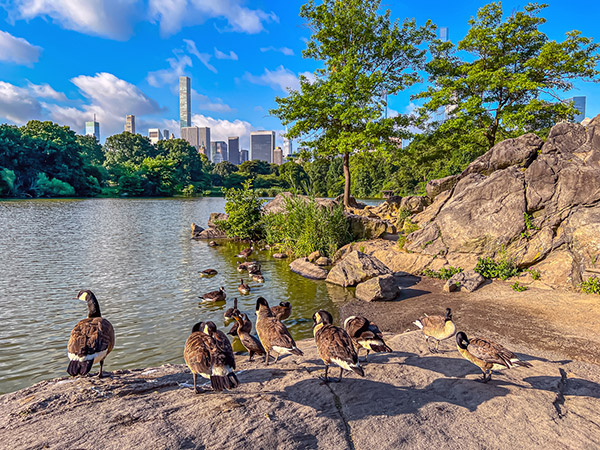
This 20-acre water body connects the Ramble, Bethesda Terrace, and various west side landscapes to form what is often called the heart of Central Park. In addition to wandering its varied shoreline and appreciating its many vistas, visitors can also explore the Lake by boat thanks to rowboat rentals available at the Central Park Boathouse.
Central Park’s designers Frederick Law Olmsted and Calvert Vaux envisioned the Lake as a key to fulfilling the Park’s primary purpose—providing a sense of wonder and escape from urban life. The Lake’s bridges and small structures, known as boat landings, are focal points, enticing visitors to explore further and enjoy the views.
| | |
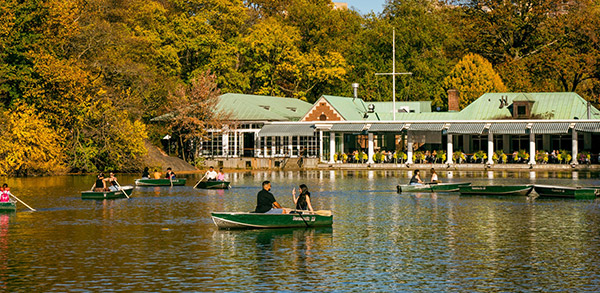
Located on the eastern edge of the Lake, the Central Park Boathouse is best known as the launch point for rowboats, offering visitors an ideal way to explore one of the Park’s most significant landscapes.
In addition to boat rentals, the restaurant is a popular destination for lakeside dining as well as birdwatching
Boating on the Lake is one of Central Park’s most enduring traditions. Looking to offer urban dwellers quintessentially rural experiences, Park designers promoted boating as an ideal way to explore the Lake’s scenic beauty. Beginning in the 1860s, Park visitors could take a “passage boat” that completed a circuit of the Lake, stopping at various boat landings. Visitors could also hire a gondola for a more intimate guided tour.
| | |
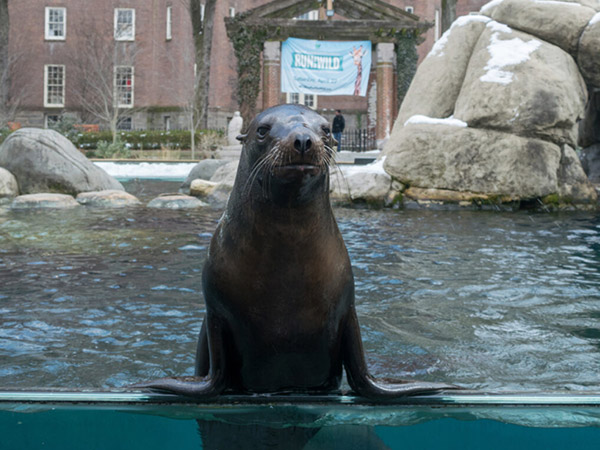
One of its most prominent features is the sea lion pool and tank, located in the center courtyard, which is visible from outside of the Zoo. Other exhibits feature snow leopards, grizzly bears, penguins, and more. The Tisch Children’s Zoo includes numerous exhibits for children and their caregivers, including animals to feed and pet. The Zoo is managed by the Wildlife Conservation Society.
Although a zoological garden or menagerie—as zoos were typically called in the 19th century—wasn’t a part of the original plan for Central Park, animals have been on display in the Park since the 1870s.
| | The Delecorte Clock outside of the Central Park Zoo entrance. | | |
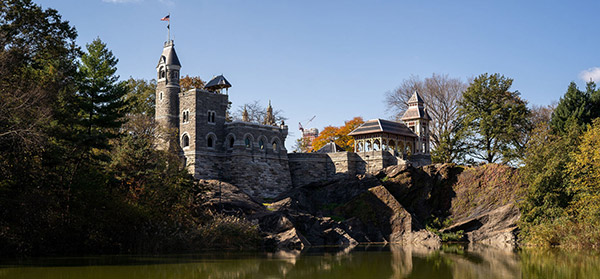
One of the most iconic features in Central Park, this miniature castle is located atop the huge rock outcrop known as Vista Rock, the second highest natural point in Central Park.
Designed by Central Park co-designer Calvert Vaux and architect Jacob Wrey Mould, the structure and adjacent terraces and pavilions were all called “the Belvedere,” which means “beautiful view” in Italian. The entire complex, completed in 1872, was designed as a place from which to enjoy views of the surrounding landscape; the building originally had no windows or doors, as it was intended as an open-air lookout tower.
The Belvedere still draws visitors to take in the sweeping views of Turtle Pond and Great Lawn to the north, the Ramble to the south, and the surrounding cityscape. The Castle also houses one of the Park's visitor centers and a gift shop. When the building is open, visitors can ascend to additional terraces for an even higher vantage point.
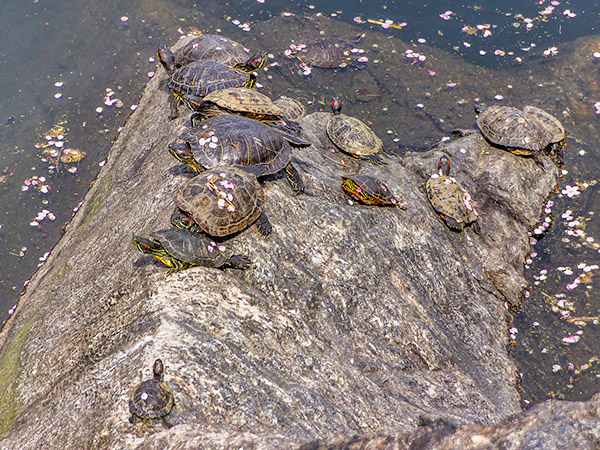
| | Red-Eared Slider turtles sun themselves on a rock outcropping in Turtle Pond, just below Belvedere Castle | | Swedish Cottage ( Marionette Theatre) | | |
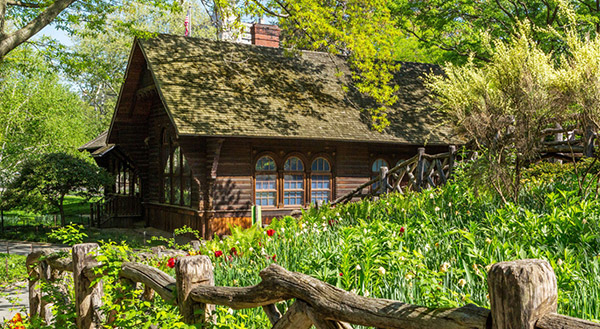
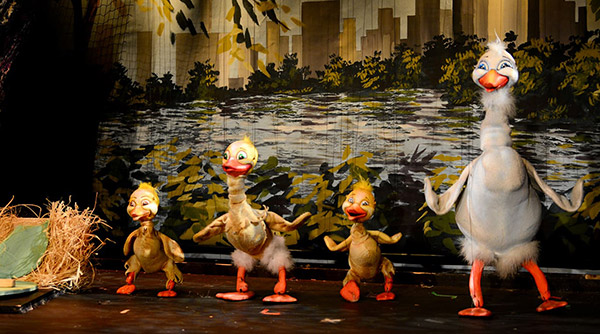
The Swedish Cottage is a historic building that currently houses a marionette theater operated by the City Parks Foundation.
The Swedish Cottage is the only building in Central Park that was not originally created for the Park. It was built in Sweden and came to the United States in 1876 as part of the Philadelphia Centennial Exhibition, the first World’s Fair in the U.S. It was displayed as an example of traditional Swedish architecture, specifically wood craftsmanship. Although it’s known as a cottage, it was built as an example of a schoolhouse. It’s unclear exactly how it found its way into the Park. Some sources suggest that during the Exhibition it caught the eye of Park co-designer Frederick Law Olmsted, who organized for it to be purchased and installed in the Park.
The building served many purposes before becoming a theater. Originally it was a tool house. It was also used as a restroom, an entomological laboratory, and during World War II, as a headquarters for the Civil Defense. In 1947 it became the workshop for NYC Parks’ traveling marionette theater and in the 1970s became the theater for its productions.
| | The Princess, the Emperor and the Duck at the Swedish Cottage Marionette Theatre | | |
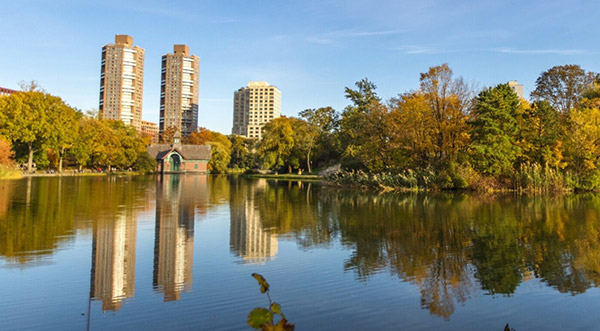
The Harlem Meer is a water body in the northeast corner of Central Park—one of the most popular destinations in the area and known for its wealth of activities and scenic beauty.
The Harlem Meer is a water body in the northeast corner of Central Park—one of the most popular destinations in the area and known for its wealth of activities and scenic beauty.
A path lined with benches and various lawns along the Meer’s edge provide numerous spots for relaxing, picnicking, and sunbathing, as well as enjoying shoreline vegetation, wildlife, and views of the rocky bluffs to the south—an area known as the Fort Landscape.
The Meer is particularly popular with families, who can participate in activities such as catch-and-release fishing, skating and swimming at the Davis Center (formerly Lasker Rink and Pool), and playing in two playgrounds. The Charles A. Dana Discovery Center, a visitor center run by the Central Park Conservancy, is also a center of activity, offering exhibits and community programs.
| | Then & Now: THe Harlem Meer | |
2. Gardening: A Homegrown Artichoke
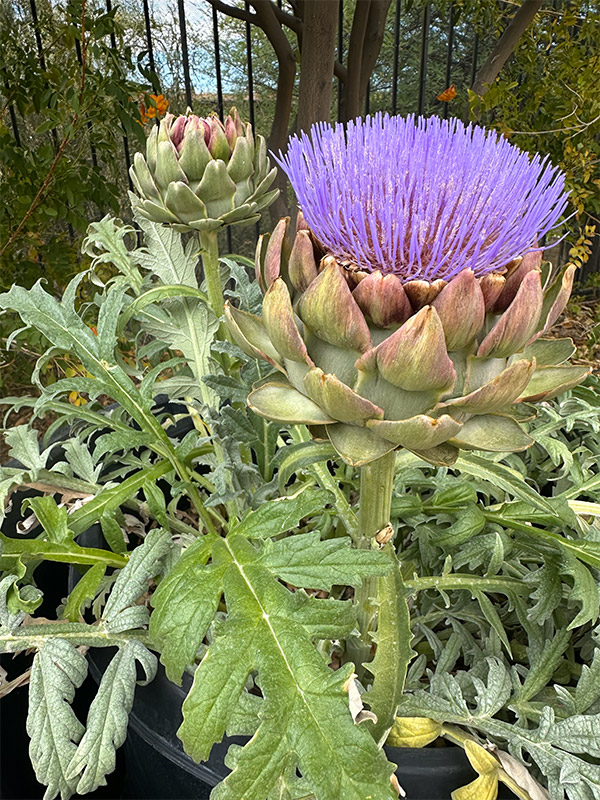
| | I'm going to brag about my daughter Violet here. Look at this beautiful homegrown artichoke. She saved an artichoke, planted it in a planter, nursed it along, and successfully got it to grow and bloom! | | How to Grow Artichoke in Your Garden | | |
Artichoke prefers a sunny location and fertile, well drained soils. Incorporate plenty of organic matter into the area before planting. Start plants in late winter for early spring planting. Plant artichoke 18 inches apart in rows 2-3 feet wide. Fertilize the plants regularly with nitrogen and keep the soil moist throughout the summer. Control all pests that reduce vigor during the year. Harvest artichoke buds when they reach full size but before the bracts open. Plants are frost and freeze sensitive so they need to be protected if they are to over-winter outdoors. Imperial Star and Green Globe varieties perform well in Utah.
Soils
Artichoke prefers organic, rich, fertile soils for best growth. Most soils are acceptable provided they are well drained.
Plants
Purchase quality plants from local garden centers or seed catalogs if available. You may also grow artichoke transplants from seed. Germinate seeds at 70-75F, then plant in 2-3 inch pots. Start seeds in early January. Plants require 2-3 months to reach transplantable size.
Planting and Spacing
Artichoke should be planted 3-4 weeks before the frost-free date for your area. Artichoke requires cool spring temperatures to initiate the flower stalk. If planted too late, plants do not get the required chilling, therefore, plants will not flower. Space plants 18 inches apart in the row, with rows 2-3 feet apart. Planting through plastic mulches accelerates early growth and leads to higher yields. Water frequently after transplanting to ensure good root and shoot growth. Maintain healthy vigorous growth during the spring and summer to ensure that artichoke produces for a long time.
Water
Water frequently during the year by supplying 1 to 2 inches per week in several applications. Use drip irrigation if possible. Mulch heavily around the plants with an organic mulch like compost, grass clippings, or straw to conserve soil moisture and reduce weed growth. Mulches help keep the soil cool. Artichoke has a shallow root system, does not tolerate hot, dry conditions and likes moist soils if high productivity is expected.
Fertilization
Artichoke requires high amounts of nitrogen fertilizer for best growth and development. Apply 2 teaspoons per plant of a nitrogen-based fertilizer (21-0-0) every 4 weeks beginning 4 weeks after transplanting to encourage sustained and rapid plant growth. Place the fertilizer to the side of the plant and irrigate it into the soil.
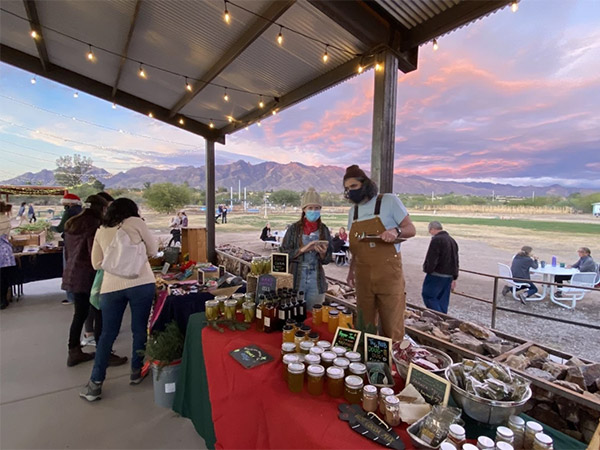
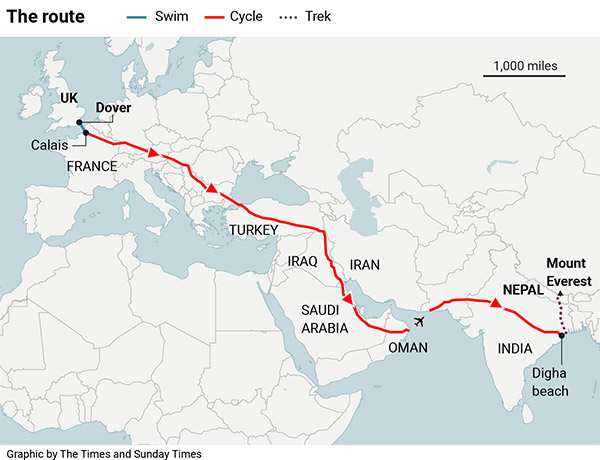
| | 3. Around Town: Tucson Village Farm | | I want to remind everybody back in Tucson about what a great resource the University of Arizona and Pima County's Tucson Village Farm is. First, their Midweek Market is open for the season, selling farm-grown produce, farm-fresh soups, salsas, and baked goods. | | Tucson Village Farm Midweek Market | | Tomatoes, summer squash, eggplant, garlic, onion, leeks, potatoes, cucumbers, melon, lots of herbs, and more! Tucson Village Farms hosts a weekly market every Tuesday between 4 and 6 pm. Stay cool and remember to eat your veggies | | 4. Reaching High: World's Longest Triathlon | | In this newsletter, I've covered marathons, 100-mile ultra-marathons, triathlons, the 140.6-mile Ironman Triathlon, and the three-day, 320-mile Ultraman Triathlon, but this is something completely different. British extreme endurance athlete Mitchell Hutchcraft recently completed what some are calling the 'world's longest triathlon'. The triathlon consisted of a 21-mile swim across the English Channel, a 7,456-mile cycle from northern France to Digha, India, a 560-mile run to Kathmandu, Nepal, a 225-mile trek to Everest Base Camp, and a successful summit attempt on Everest—an endurance achievement that may never be equalled. | |
Ex-Marine climbs Everest to complete ‘world’s longest triathlon’
Mitchell Hutchcraft swam the Channel, cycled across Europe and Asia and trekked into the Himalayas to finish his 7,000-mile quest on top of the world’s highest peak
| | |
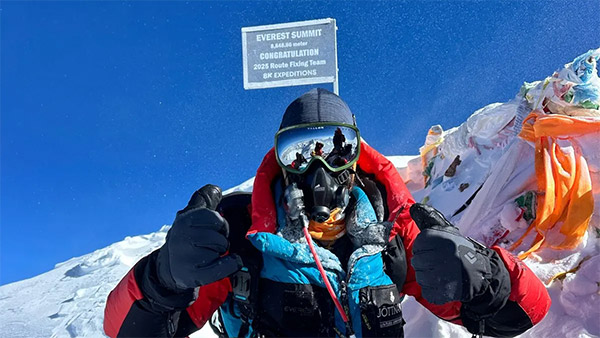
A British adventurer climbed to the summit of Mount Everest on Sunday to complete “the world’s longest triathlon” by swimming, cycling, running and trekking more than 7,000 miles from Britain to the Himalayas.
For Mitchell Hutchcraft, a former Royal Marine, just climbing the world’s highest mountain, at 8,848m (29,032ft), was not enough of a challenge.
Instead, the 32-year-old started his journey at sea level in England before swimming the Channel, cycling from northern France to India, then climbing from the foothills of the Himalayas to the roof of the world.
| | |
His trip, which he has described as “the longest climb of Everest in history”, took him through 19 countries over eight months. Hutchcraft finally reached his goal on Sunday morning.
“The team summited around 7.30am (Nepali time) this morning,” Adriana Brownlee, co-founder of Aga Adventures, Hutchcraft’s expedition organiser, said.
“It was more magical than I could have ever dreamed it would be,” he said of his ascent. “Although I lost my dad 11 years ago, he was with me every step of the way. It’s been tough. Really tough. The most difficult thing I’ve ever done. But I couldn’t be happier and more proud of finishing this epic adventure.”
| |
5. Kid's Corner: Broadway Shows for Kids
| | I've seen a couple of plays on Broadway during my current visit to New York. Last week I went to see the musicals Buena Vista Social Club and Real Women Have Curves, both shows were excellent and very entertaining. Last Sunday, I went to see The Lion King again, and it struck me that there are a lot of Broadway shows that are suitable for young audiences right now. The following post from Broadway.com gives a rundown of current productions ideal for kids, including age recommendations based on content. The list includes current productions of Aladdin, The Lion King, & Juliet, BOOP! The Musical, Harry Potter and the Cursed Child, MJ: The Musical, Wicked, Maybe Happy Ending, and a Flock favorite, Six: The Musical. | | The Best Broadway Shows For Kids in 2025 | | |
The golden rule: every child is unique and you know your children best. The only actual restrictions that exist across almost all Broadway theaters is an age minimum of 4 years and older (some shows restrict to slightly older ages).
Broadway producers recommend appropriate ages for each show based on the content and how actual younger children have responded to performances. Below, we include all shows with a recommended age of 10 years old and younger, along with a brief summary of what to expect.
| |
6. Tennis: Tennis Shoulder
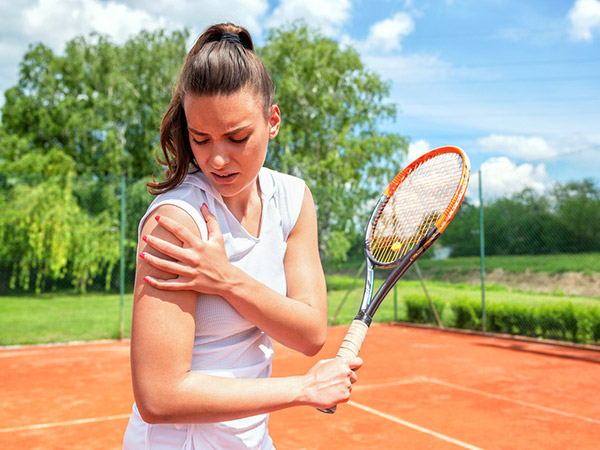
| | Anyone who plays tennis regularly will get sore shoulders from time to time. The best way to avoid shoulder pain or injury is to do specific exercises to strengthen and stretch your shoulders. The article linked below has ten exercises that you can do to keep your shoulders pain-free and healthy. | | 10 Best Tennis Shoulder Exercises for Tennis Players | | |
Shoulder injuries are one of the most common injuries in tennis players. If you are suffering from shoulder pain you are not alone! Up to 50% of middle-aged tennis players suffer from shoulder pain. Tennis shoulder exercises are the most effective way to treat tennis shoulder pain.
How To Avoid Shoulder Pain In Tennis
The best way to avoid shoulder pain and injury prevention in tennis is to avoid overtraining, have proper technique, incorporate a shoulder warm up tennis routine and use proper equipment designed for your body type and skill level.
Tennis shoulder can be prevented by performing a proper warm up prior to a tennis match. More importantly, you can perform these 10 tennis shoulder exercises to negate any muscular imbalance in the shoulder and prevent any future shoulder injuries.
What Is Tennis Shoulder?
Tennis shoulder is a common term used to describe either rotator cuff tear or rotator cuff tendinopathy. Both of these rotator cuff injuries are common in tennis due to the repetitive overhead motions involved in tennis. The rotator cuff muscles of the shoulder are responsible for stabilizing the head of the humerus or humeral head in the shoulder socket joint
| | These Flock regulars are always here for you: | | Don't Be Shy: Share Your Stories! | | I'm looking forward to sharing more of your personal stories - oral, written, or otherwise, as we enter our third year. I'd so love to present them to The Flock, hit a mailbox below to share your story. | | Subscriptions & Idea Submissions
Reminder: Your submissions are always welcomed. | | |
Feel free to forward this email to a friend. If this was forwarded to you and you would like to receive your very own Flock Newsletter, you can sign up here. If you have any questions or suggestions for future Flock resources, don't hesitate to contact me.
Your fan and friend,
Beth
| | | The information and materials contained or referenced in this newsletter are for informational purposes only and not intended to be a substitute for professional medical advice, diagnosis, or treatment. Always consult a physician or other qualified medical professional with any questions you may have regarding a medical condition or treatment and before beginning a new health care regimen. Do not disregard professional medical advice or delay seeking medical advice or care based on anything contained in this newsletter. | | | | |