May 2023

Using Themes with Active Learners 


Theme-based learning can provide summer classroom fun for the children and adult educators. A theme is a big topic such as gardening, transportation, community helpers that is used to discuss and incorporate different subject areas. The choice of a theme depends on the age and interest of the children in your class, often theme activities can be stretched for multiple weeks as the children explore the topic. Sometimes multi-age classrooms combine during the summer months and themes are adaptable to allow for the diverse needs of the children. By using a theme, teachers can set the stage with children and provide learning in a shared context together as a group. This can help children make connections, understand what they are learning, and remember what they have learned as active participants. 


A good starting place is to observe what the children in your classroom appear to be interested in. What books do they enjoy? What are they discussing during meals? What do you hear children saying as they play and engage in intentionally planned activities? Reviewing this information can help guide you in coming up with a "theme" or an "investigation" that will appeal to your children. For example, the educator notices that the children really enjoy the books that include animal characters, watches them enter the Construction Center and one of their first actions is to reach for the container of animals, and they talk about their pets at home. The teacher thinks a theme around animals will be popular and is one that can be explored in a variety of ways.


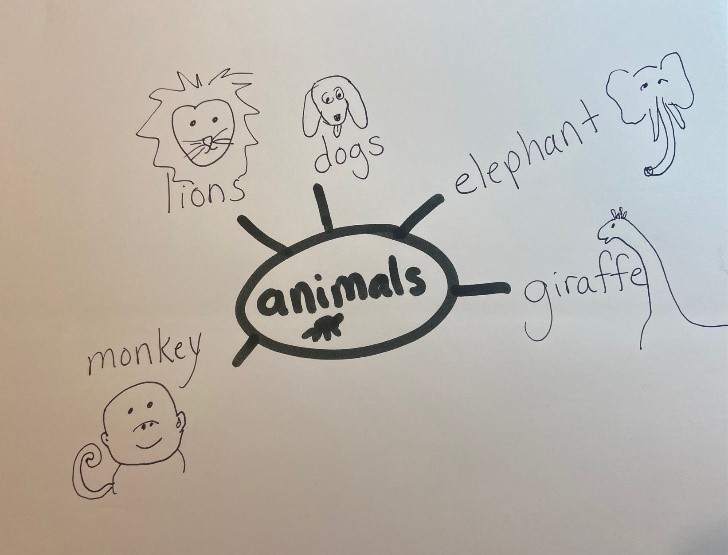
The teacher also wants to consider the children’s interests and development when lesson planning to avoid the risk of implementing activities without learning objectives. The children can be involved in the process of planning for the theme. One strategy would be to create a word web during Circle Time. In the example below, the teacher writes the word “animals” and quickly sketches an illustration that will match the text, as a scaffold to help support the children’s understanding of the print that she is writing. Then they discuss some of their favorite animals and the teacher notices that the majority of the animals can be found in their local zoo, so a Zoo Animal theme is created and now the teacher can start thinking about transforming the classroom environment into a playful setting.

Word web using animals as examples of print
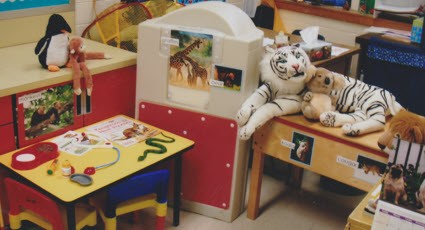
Photo of a classroom with an animal theme

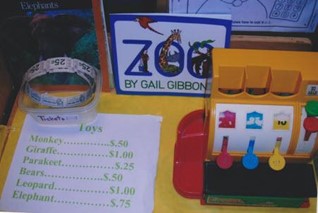
In this classroom picture, you can see that the teacher turned the refrigerator around in the Pretend and Learn Center to change the environment into a mini zoo. The teacher asked to borrow stuffed wild animals, pictures, and a pretend doctor's kit for the center. The plastic food dish, pretend food, and other props were added as the theme continued throughout the month. The teacher did not add all of the props the first week, but gradually included them to add interest for continued child engagement.

Active Learners:


The progressive changes in the center builds excitement around the topic of zoo animals, allows time for the children to explore cognitive concepts, and build upon their interests.

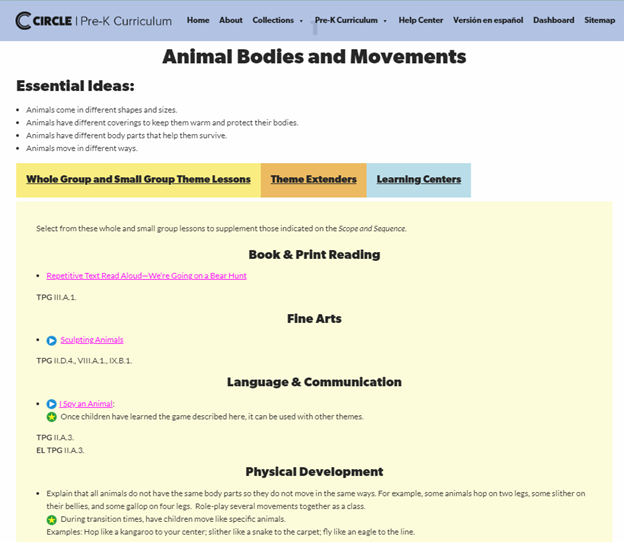
The main topic for the theme is Zoo Animals, but we also want to consider how to integrate content areas, to help the children make connections with concepts explored through their experiences. The free online CIRCLE Pre-K Curriculum has four weeks of lessons available on the CLI Engage website in the sixth theme guide “Animals All Around." The topics in Animals All Around allow children to explore different types of animals, young and old, found all over the world. There are activities available online for the following domain areas: Science, Literacy, Physical Development, Language and Communication, Social Studies, and Mathematics. You can use the theme guides and save time with lesson planning, while the children discover new vocabulary and concepts about animal adaptations, habits, and habitats that help them survive.

According to the theory of constructivism, knowledge is actively acquired. We want children to create their own stories with props, interact with materials to explore concepts of numeracy, categorization, and literacy as they explore the world around them. Themes can provide an opportunity for children to investigate and experience learning in a meaningful way, which can help them retain their knowledge. Early educators advocate for children to learn through their play and themes can provide a rich environment that invites them to be active learners. 

Newsletter Update

Readers please be informed that beginning next school year, the TSR Connect Newsletter will be transitioning from a monthly publication to a quarterly publication.


Remember to review the CLI Engage dashboard for important news and exciting updates each time you login to your account!


Texas School Ready is part of the Children's Learning Institute at UTHealth Houston

www.cliengage.org

Facebook  Twitter