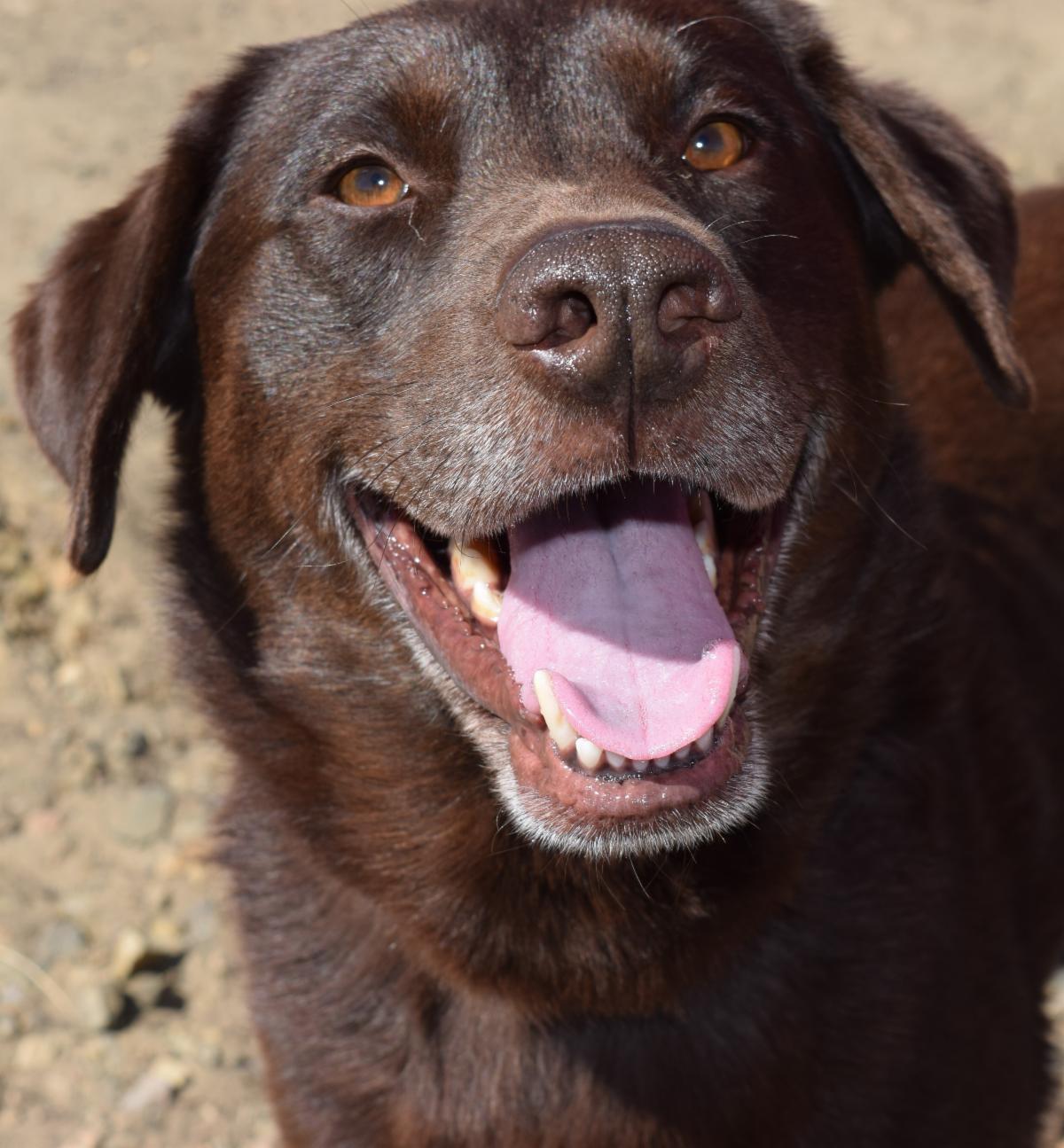
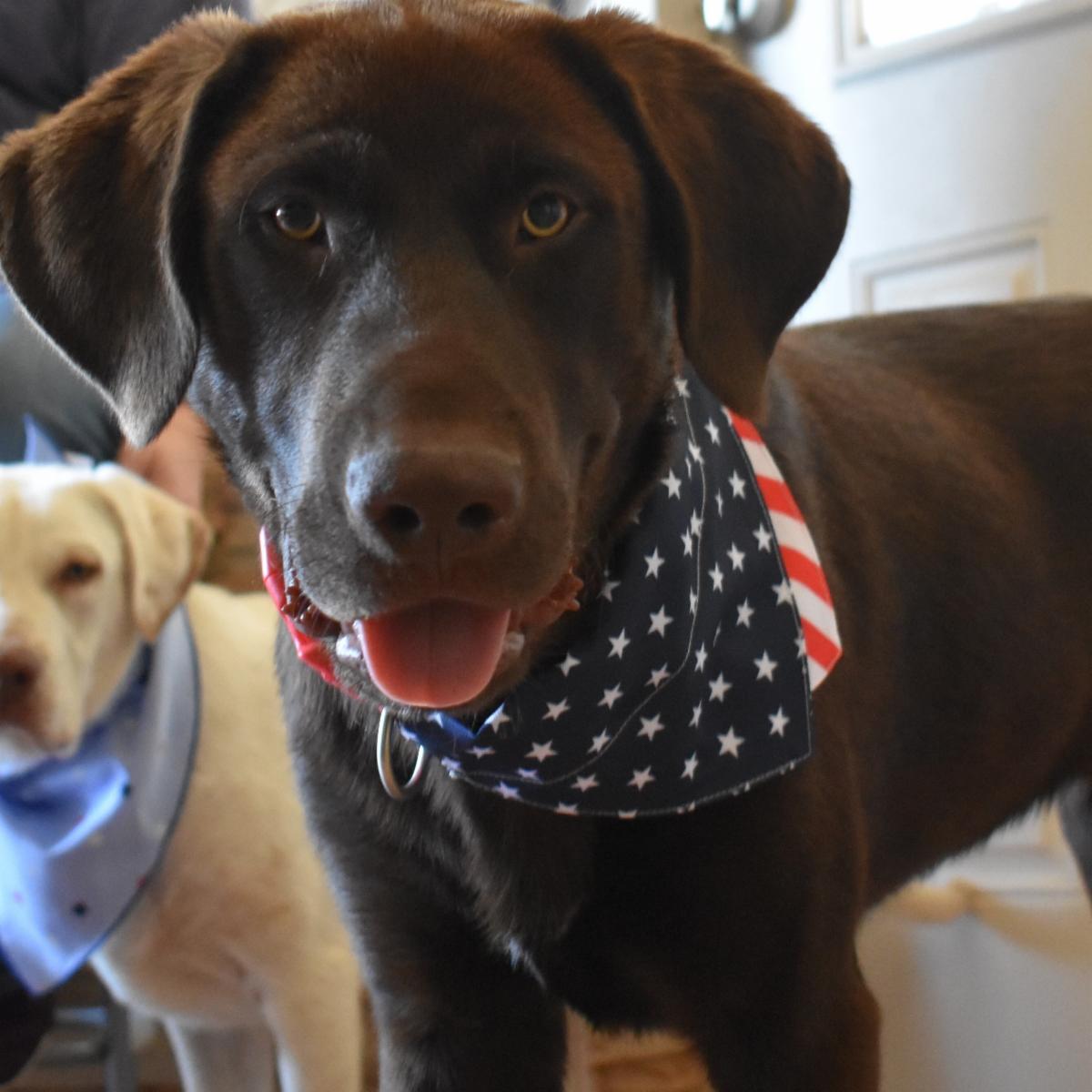
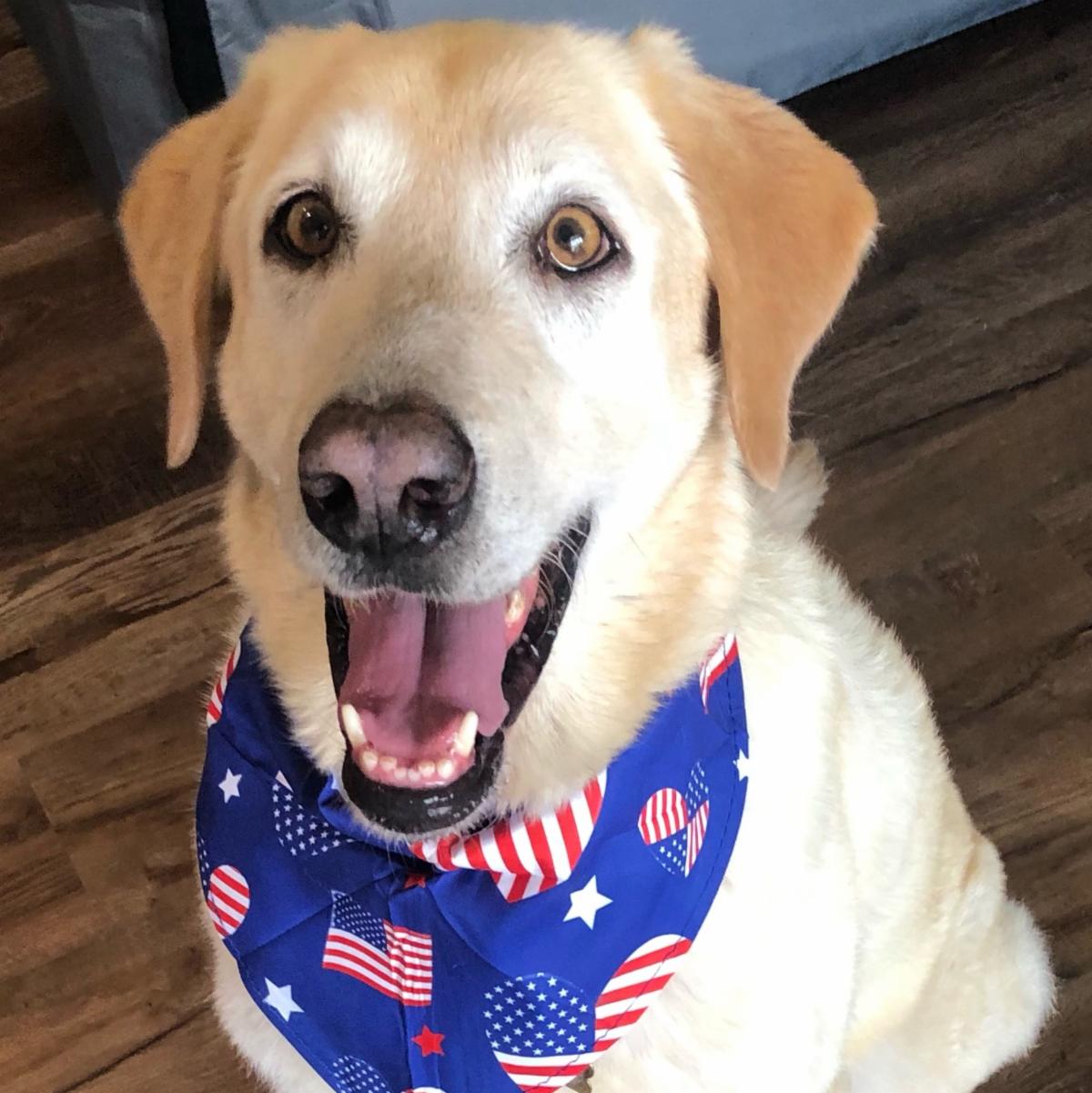
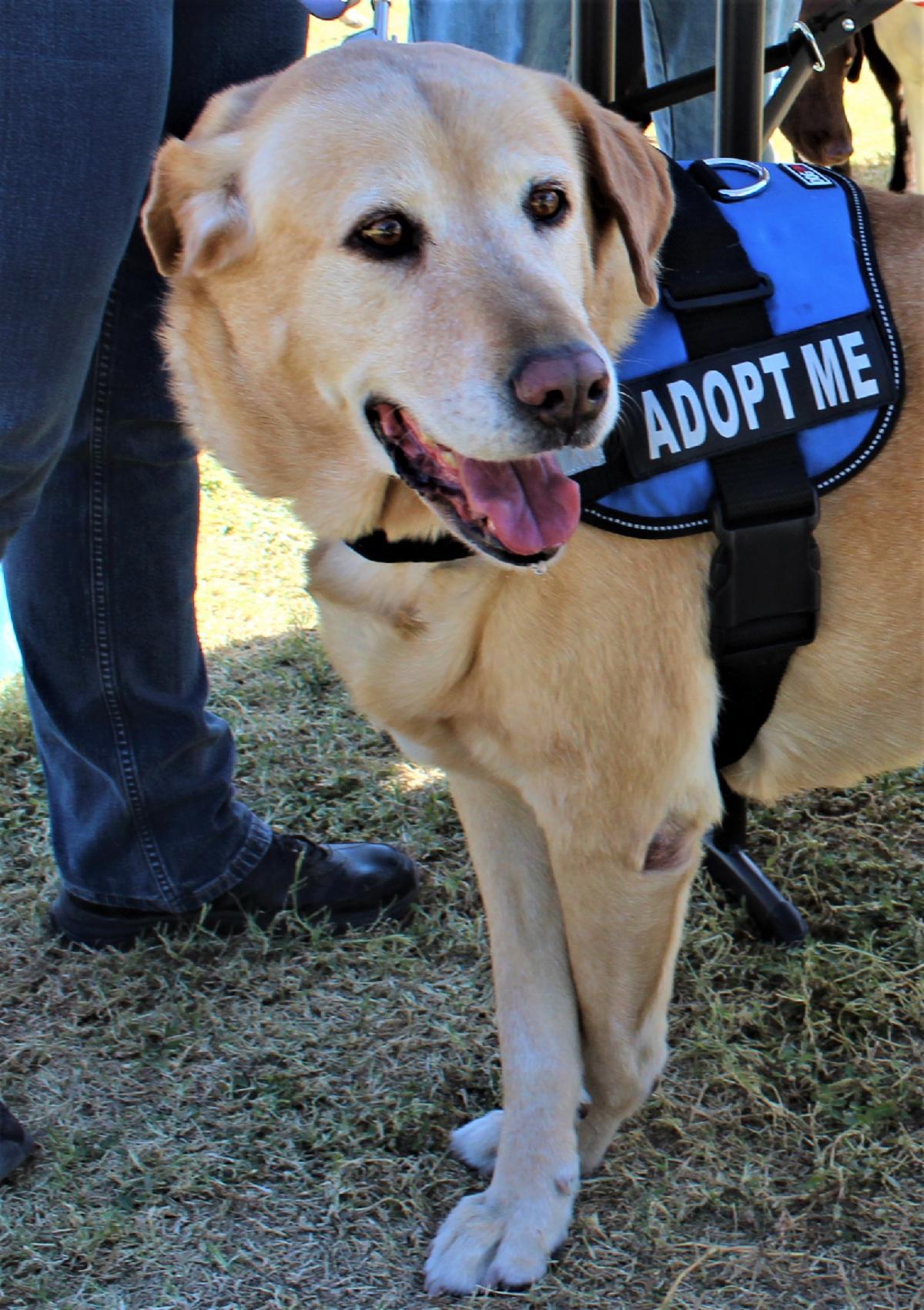
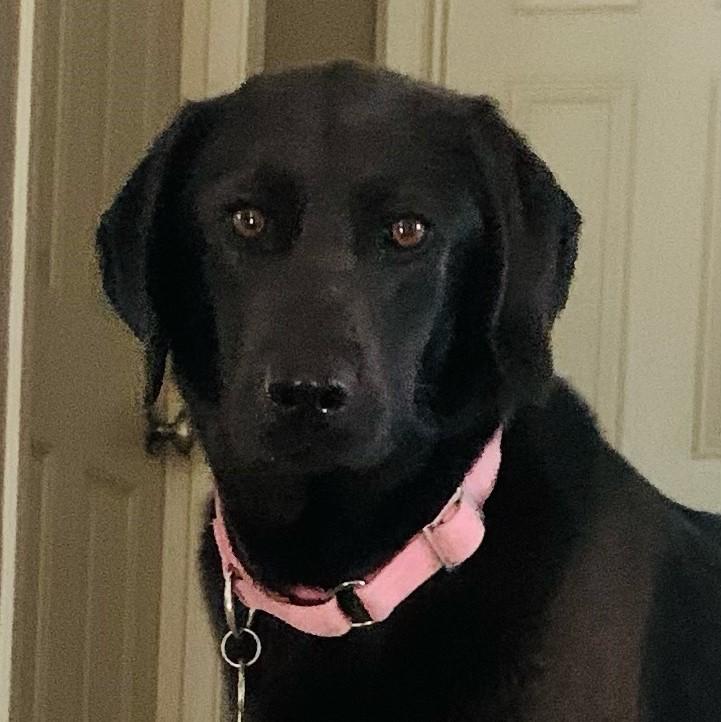
It was winter of 2020. Hospitals across the country were nearing capacity from COVID -19. Healthcare workers were overwhelmed, exhausted, overworked. That’s when a special application came in to SOLR from an owner with a nine-month old purebred Labrador puppy called Ranger. Betty Strong knew she had to help.
“The owner was a full-time hospital nurse working COVID cases and her new schedule didn’t allow time for training a puppy. She was on an emotional roller coaster because she loved that dog. This was not what she expected when she adopted a puppy, but then COVID hit and life changed.” After reading the owner’s application and speaking to her by phone, Betty felt we could re-home the dog.
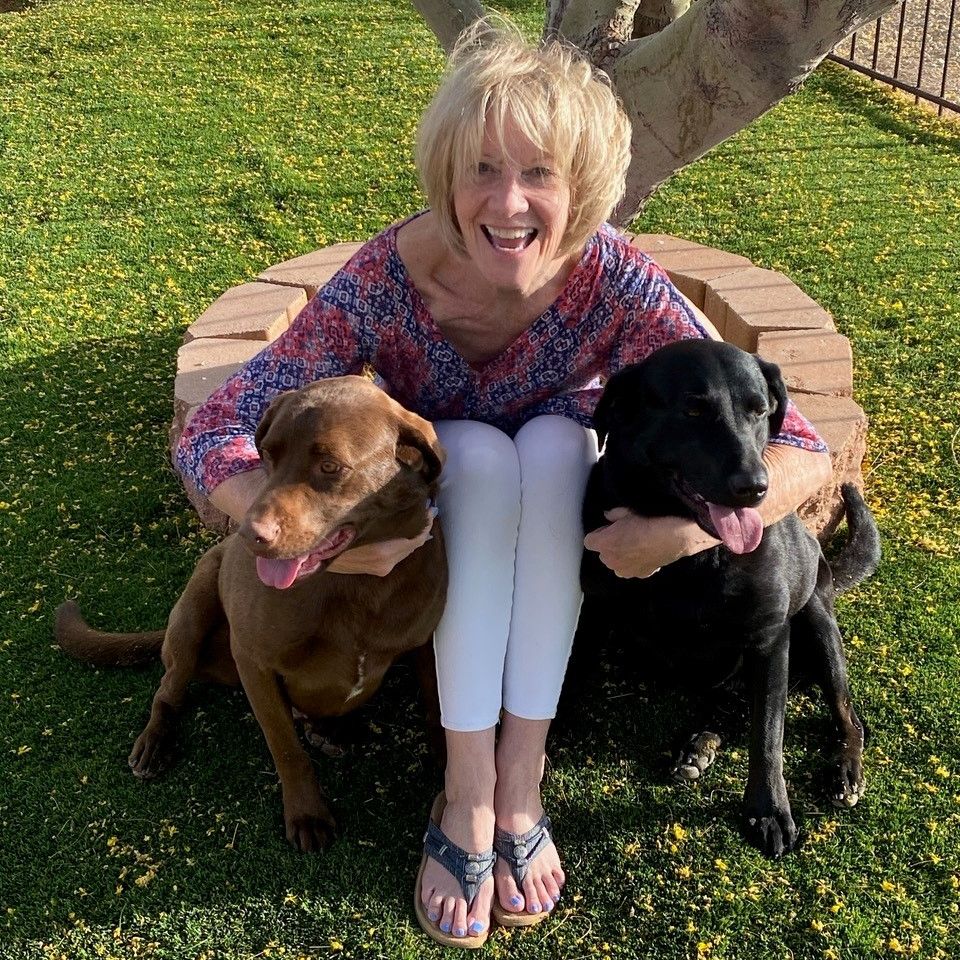
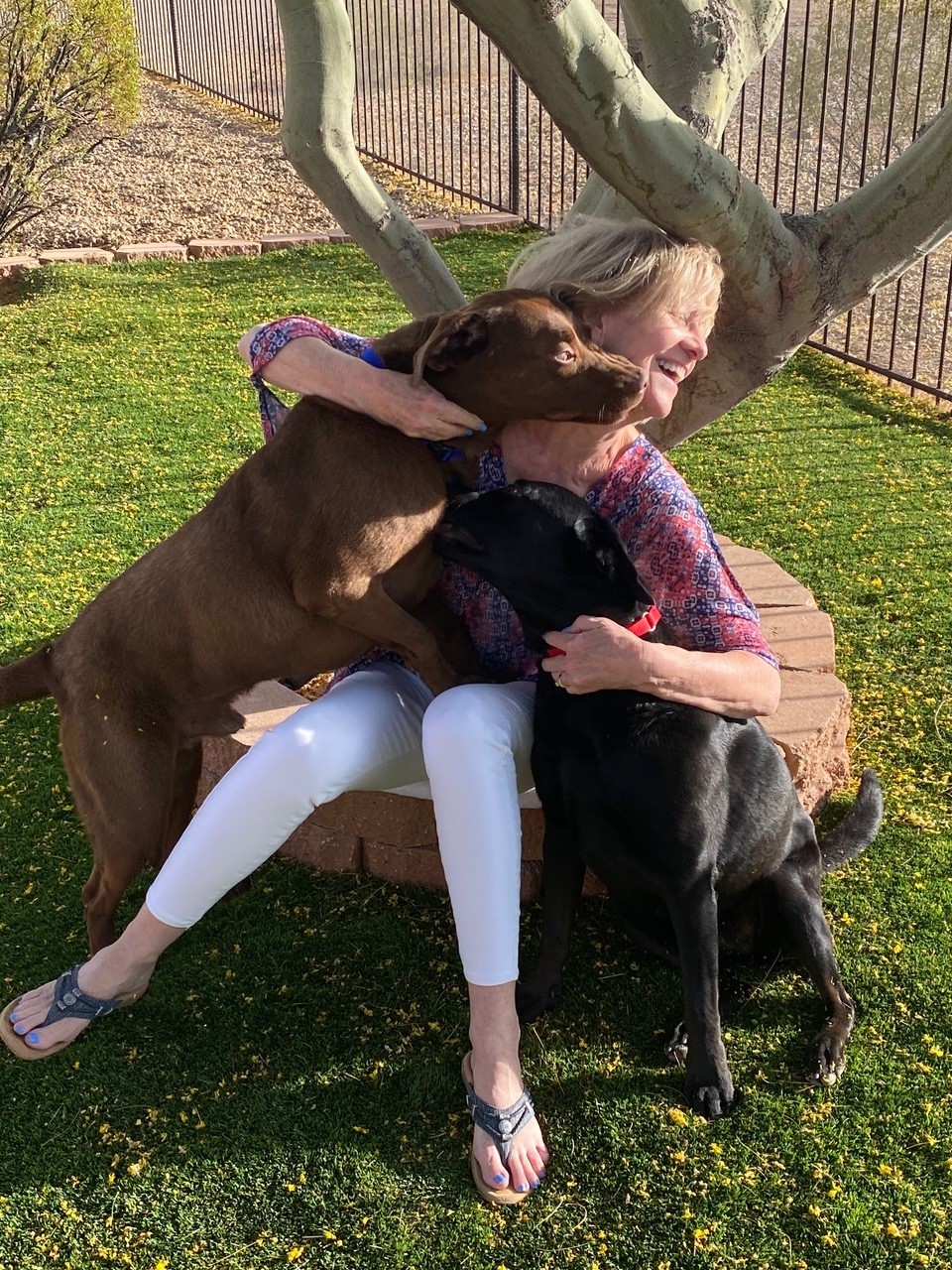
Betty Strong has a lot to say about rescuing dogs. She reviews applications from owners who — for one reason or another — need to surrender a dog. It’s work that takes a special skill. “You must be prepared for some sadness,” says Betty. “You want to help every dog that needs us, but it’s just not possible.” Yet for those she saves, she feels blessed to watch our rescue at work and be part of the happy endings.
In addition to Betty, our two intake coordinators —Tim Mouser and Susan Krase — also work tirelessly to re-home dogs in need. Tim overseas Phoenix and northern Arizona; Susan oversees Tucson, southern Arizona, Mexico, and other border states. Liz McGinnis and Jeanette Wahl also lend a hand. Each has a special job to do, and each does their job amazingly well. Volunteers also review Craig’s List for Labradors that owners can no longer keep and scan Facebook posts. We also rescue dogs from overcrowded, high-kill shelters in Mexico, New Mexico, Texas, and Arizona. Other dogs come to us by word-of-mouth.
But the work often begins with Betty, who reviews the applications we receive from owners through our website. She is notified as soon as an application comes in and tries to respond within 24 hours. According to Betty, you must be able to communicate clearly, listen attentively, sympathize, and be the “face” for SOLR. “The person who reviews applications is often the first — or only — person the owner will speak to. So regardless of the circumstance it’s important to be friendly, courteous, and professional,” says Betty.
An application doesn’t always tell the whole story, so Betty often calls the owner for clarification or more information. “You must be a good listener who is not too quick to pass judgement before all the facts are gathered,” says Betty. Betty reviews at least one application a week. Her role is to learn as much as she can. She contacts the owner to fill in gaps, makes sure we have photos of the dog, assesses the situation, and evaluates the urgency.
But she does not work alone. “It’s really a team decision,” says Betty. “Once I gather the information, I reach out to Susan and Tim for their input.” SOLR does have some specific criteria an applicant must meet. For starters, the dog must look like a Lab and be “adoptable.” “We are breed specific, but we will accept a mixed breed if it is predominantly a Lab,” she explains.
Betty also investigates the urgency of the situation: Is the dog in a safe environment and how much time do we have to locate a foster? Is it living on a chain in the summer heat or loose in an unsheltered yard? Is the dog in danger of being lost or harmed? “In an emergency, we’ll do our best to help.”
Once she has all the information, she writes a narrative and sends it to Susan and Tim, who help determine if the dog is a good candidate for our rescue. If the application is accepted, someone will try to meet the dog and see if it is a fit. If all looks good, the process of finding a foster home begins.
Rejecting a dog is also part of Betty’s job and it’s not easy. “There’s a lot of sadness for the dogs we have to turn down. That’s the tough part, but I just do my best to focus on the next one and hope we can help.” She will notify the owner and suggest other resources available to assist in re-homing a dog, like reaching out to other rescues or recommendations for professional training. Sometimes, SOLR will offer a courtesy posting to help the owner.
That was the case with Francis, a three-year old located in New Mexico. “I sensed he could be a great dog, but the family didn’t understand the importance of training, exercise, and socialization.” The children played too rough with the dog and it started to nip. The situation escalated to the point that the dog got a serious injury and one leg required amputation. It was now a three-legged dog. “The family loved the dog, but they were inexperienced. It broke my heart.” Betty offered some helpful advice and options for the owner to consider. One day she received a note from the owner thanking her. “It warmed my heart. She had listened to my advice, decided to keep Francis, and was seeking professional help. Francis had a second chance with the family he already loved.”
Francis and Ranger are not the only dogs who tugged at her heart. Another special one she cannot forget is Willow. “Willow was a beautiful 13-month-old purebred with a ‘cute as a button’ disposition. She was one of those dogs you fall in love with at first site,” says Betty. The elderly owner was moving in with family and couldn’t keep the dog. It reminded Betty of what she went through when she had to move her Mom and Dad to assisted living. Willow was quickly adopted one month later to a perfect home and wonderful new life.
And what of Ranger? The purebred Labrador who came to us from the hospital nurse working COVID cases? Ranger was adopted last February. “I understand Ranger is ‘living the life’ now, including summer months in Michigan on a lake,” says Betty. It is the happy ending everyone had hoped for.