|
ARE THERE ADVANTAGES OF RESTORING SMALLER ACREAGE?
Restoring smaller areas of land offers distinct advantages. The most obvious benefit is cost savings. With fewer chemicals, seeds, equipment, and labor required, it becomes more feasible for landowners to handle much of the work themselves with limited resources.
Smaller areas allow for a more targeted restoration plan. With fewer variations in elevation, soil types, and historical uses, it becomes easier to identify concerns, develop a focused strategy, and implement specific techniques.
Additionally, working within a smaller area enables close monitoring of invasive species and the tracking of native biodiversity. This improved accessibility enables quicker, more effective responses to issues, such as spot-spraying invasive or non-native plants. Enhanced monitoring also provides opportunities to identify and celebrate successes, like thriving populations of pollinators and ground-nesting birds.
WHAT IS THE CATCH?
Owning a smaller piece of land can present challenges that larger properties might not face, such as "edge effects," limited resources, and the lack of economies of scale. With fewer acres, you will likely experience more "challenges per acre."
If you have a smaller property, the restoration efforts you undertake will be significantly influenced by the surrounding environment. Unless your neighbors are also committed to prairie restoration, you may border various situations that hinder your goals. For example, your neighbor might have an invasion of Johnson grass, which can spread seeds to your side of the fence with every gust of wind.
Additionally, a landowner growing crops may inadvertently spray chemicals that drift onto your property. If your property is surrounded by Bermuda grass in a park or a highway, these factors can impact a larger portion of your prairie compared to a much larger restoration site.
Smaller areas may also support fewer species and less biodiversity, particularly for larger wildlife that require expansive habitats. Even if you possess diverse resources, having them spread over less land means you may attract fewer animals. For instance, it is unlikely you will see wild turkeys or quail on a five-acre property.
Finally, while you may incur lower overall expenses, your costs per acre will be higher. Hiring professionals to apply herbicides broadly or to expertly plant with a seed drill can help you use your resources more effectively. However, the trip charge remains the same regardless of your property's size. Even if you decide to do the work yourself, purchasing or renting the necessary equipment can be expensive if you do not already own it.
CAN QUALITY CHARACTERISTICS BE ACHIEVED
ON SMALLER ACREAGE?
Native prairies do a lot! Can those benefits be realized on smaller parcels of land? The answer is a resounding YES! Every effort counts and is crucial in reconnecting fragmented landscapes. Wildlife and pollinators require a diversity of native habitats and continuous habitat. Unfortunately, the prairie landscape has been fragmented, and it is our responsibility to piece it back together. As these patches become smaller, we face increasing challenges.
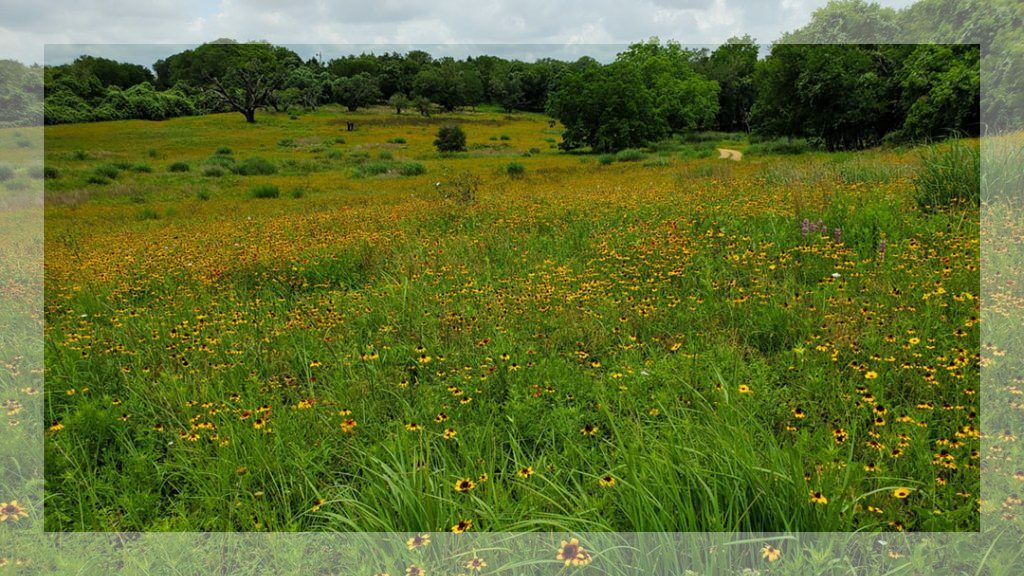
Even small sites can yield significant ecological value through thoughtful and prioritized planning. By using high-quality, locally adapted native plant mixes tailored to your soil, you can enhance the establishment of a resilient, diverse prairie. Small prairies can connect with other natural areas, improving the ecological quality of the overall landscape. Restoring smaller prairies not only benefits pollinators and various bird species, but it also creates essential links between larger restoration efforts and remnant habitats.
A well-managed small prairie can showcase a variety of important features, including rich native plant communities, support for pollinators, erosion control, and recreation. These small prairies can serve as excellent examples of conservation practices that align closely with specific ecological goals.
FIND YOUR COMMUNITY TO BUILD CONNECTIVITY
The Fayette Prairie Chapter of the Native Prairies Association of Texas recently hosted a symposium titled "Five Tools of Prairie Restoration." This event focused on training and discussions about utilizing the five tools described by Aldo Leopold. Steve Nelle, the author of "Lessons of Leopold," emphasized the importance of a land ethic and respect for the land, which are essential when committing to prairie restoration, regardless of project size. Will Newman concluded the symposium by proposing a sixth tool—community—highlighting the incredible power of collaboration. Our collective commitment will help us meet the challenges of rebuilding native prairie habitats.
One of our chapter members and land stewards beautifully summarized this sentiment: "The most valuable information is the motivation from the presentations and meeting like-minded people that just encourages us to keep on going when it gets tough!" The value of education and community, such as what we offer at the Fayette Prairie Chapter, cannot be overstated. Although restoration efforts can be challenging, our chapter provides invaluable education for land stewards eager to learn about the restoration process, timing considerations, and identifying personal goals. We invite you to join NPAT and the Fayette Prairie Chapter, and to subscribe to our newsletter, where you will find support for your restoration and stewardship aspirations.
GUIDANCE AND COST-SHARING RESOURCES SPECIFICALLY FOR YOU
No matter the size of your land, you can contribute significantly to the restoration of tallgrass prairie. The Fayette Prairie Chapter's Smaller Acreage Restoration Program (SARP) provides crucial resources to assist members in their prairie restoration efforts. With financial aid, technical expertise, educational opportunities, and access to equipment and chapter resources, we are dedicated to promoting effective restoration and sustainable prairie maintenance. In partnership with the Texas Parks and Wildlife Department (TPWD), SARP develops customized restoration plans tailored to each steward and their land.
Our focus is on prairies that are under 25 acres—the typical minimum size for many other cost-sharing programs. We help cover initial costs for materials such as herbicides, native grass, and forb seeds that are specifically chosen for our ecoregion, as well as contractor support. Our restoration plans also provide guidance, access to necessary equipment, and organized workdays to help complete the restoration process. As more people move to rural areas and seek to care for their land, SARP plays an essential role in addressing the fragmentation of the Fayette Prairie and the surrounding Post Oak Savanna.
Small prairie restorations by Texas landowners contribute significantly to regional conservation efforts, supporting biodiversity, ecosystem health, and climate resilience—making a meaningful impact.
Every small change can make a big difference!
|