Weekly Digest Number 8 - February 22, 2022 |
|
Welcome to the RWU Rail & Labor News! This news bulletin is produced and emailed out each Tuesday morning. We hope you find each week's news and information useful. If so, please share with co-workers, friends, and colleagues. If you like, you can sign them up to get all the news from RWU HERE. Or forward them the link. Note: If you read over this news bulletin each week, you will be sure to never miss the important news of what is going on in the railroad world from a worker's perspective!
|
|
(Editor's Note: Will BNSF workers swallow this latest obnoxious attack, or will they unite in solidarity and fight back? Only time will tell if rank & file opposition grows into action.) |
|
Opposition Growing Among BNSF Workers One Week After Management Imposes Draconian New “Hi-Viz” Policy |
|
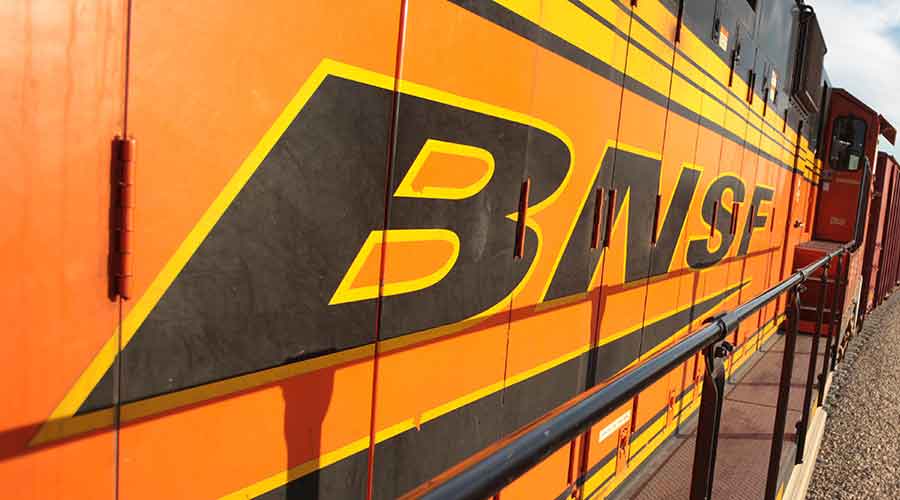
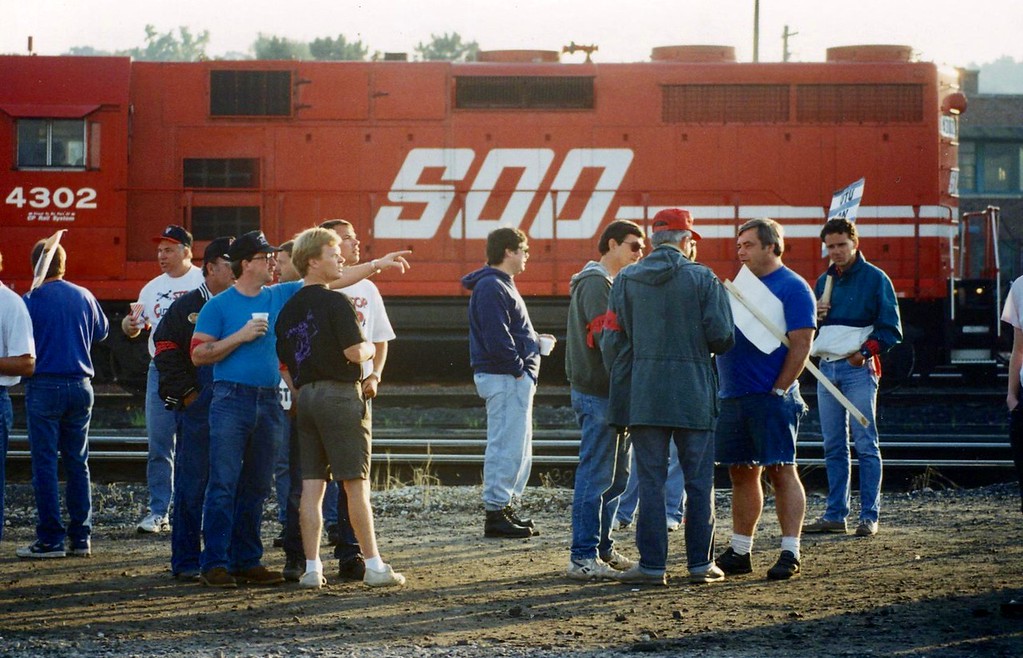
Opposition is growing among BNSF railroad workers to the punitive new “Hi-Viz” attendance policy, which management unilaterally imposed on February 1. Roughly 17,000 workers in the SMART-TD and BLET unions had voted overwhelmingly to strike against the new policy, but a temporary restraining order against strike action was issued by a federal judge last month, paving the way for the policy to implemented last week. Yesterday, judge Mark Pittman extended the temporary restraining order through February 22, a move that was widely expected.
Workers at the railroad are already on call 24/7, leaving them unable to plan out their personal schedules, spend time with family or even schedule doctor’s appointments. The new points-based attendance policy would bind them even more tightly to the unpredictable, long working hours set by management.
One worker described how the new points system looks in practice. “I took a couple of days off this past week due to health reasons,” he said. “I burned up five [out of 30] points, and it will take me a month and a half to earn back those two days off.” If workers use all 30 points, they are subject to disciplinary action, up to and including dismissal. “In order to earn two points back, you have to be on call for 14 days, 24/7.”
The erratic character of the scheduling itself, one worker said, “is worse than it was before Hi-Viz. It’s almost like they’re intentionally messing with it to alter data for future court cases. There’s something shady going on.”
The new policy also lays the groundwork for BNSF to fire experienced, higher-seniority workers on attendance grounds, or pressure them into resigning. Figures compiled by an anonymous railroad worker shows a sharp increase in resignations after the Hi-Viz policy was announced and then implemented.
The new policy is taking its toll not only on BNSF workers but on their families. Over the weekend, roughly 50 family members of BNSF workers protested the policy near a BNSF facility in Needles, California. Similar protests have also taken place in Fort Worth, Texas, outside the federal courthouse where the restraining order was issued.
|
|
Denver, Colorado, BNSF Worker Killed in Rail Yard Accident |
|
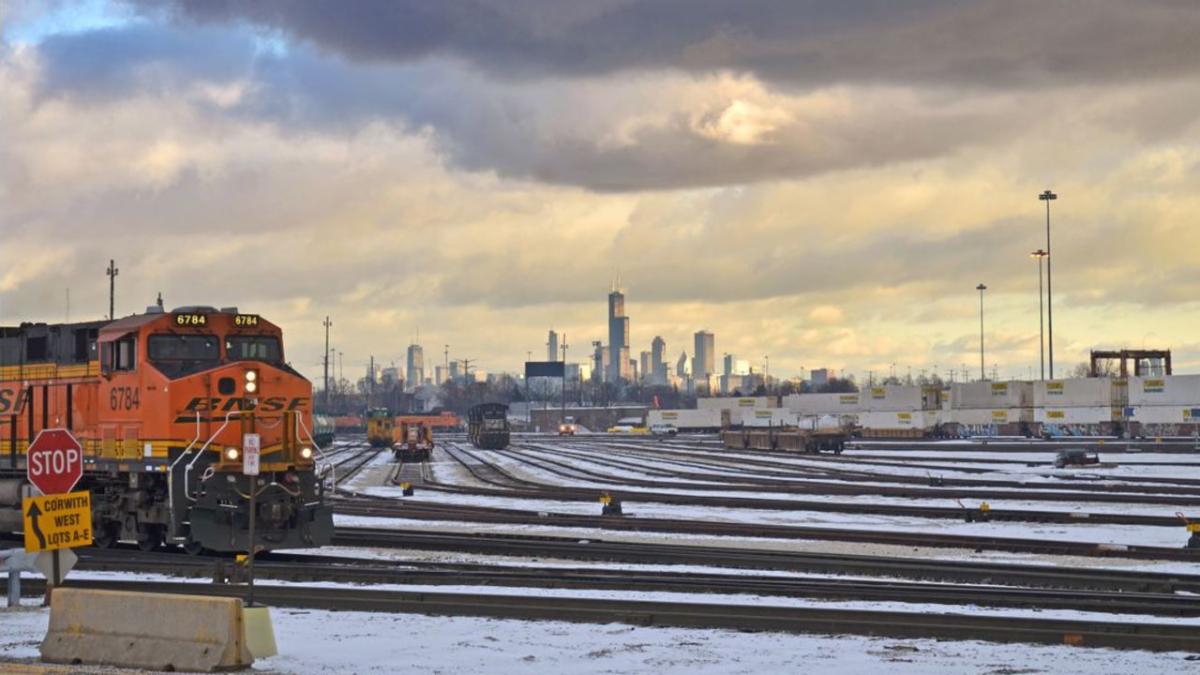
A BNSF worker was killed in a rail yard accident in Denver, Colorado, on Wednesday, February 9. The worker, whose name has not been released, died after being struck by a train at the company’s Globeville yard, which is north of Coors Field. The National Transportation Safety Board (NTSB) is investigating the accident...
...Three BNSF workers have died in the past year alone. In April 2021, conductor Buddy Strieker died in a switching accident while working at a customer facility in Louisiana, Missouri. Strieker was 56 years old and had worked for the company for more than 24 years.
In March, 2021, a worker was killed while working at the La Mirada rail yard near Los Angeles, California. Emergency personnel determined that two trains had converged and crushed the worker. Both deaths became the subject of NTSB investigations.
In 2021, four BNSF workers died on duty. This was half of the total worker fatalities for the entire railroad industry last year.
|
|
(Editor's Note: This fight has developed into a real battle. The Class One carriers are determined to undermine Amtrak's efforts to expand passenger rail service in the U.S. RWU expects to submit a statement supporting the new service and calling out CSX and NS for the BS in the coming days. We urge the rail unions to do likewise.) |
|
STB Hears from Advocates, Opponents of Amtrak Gulf Coast Service |
|
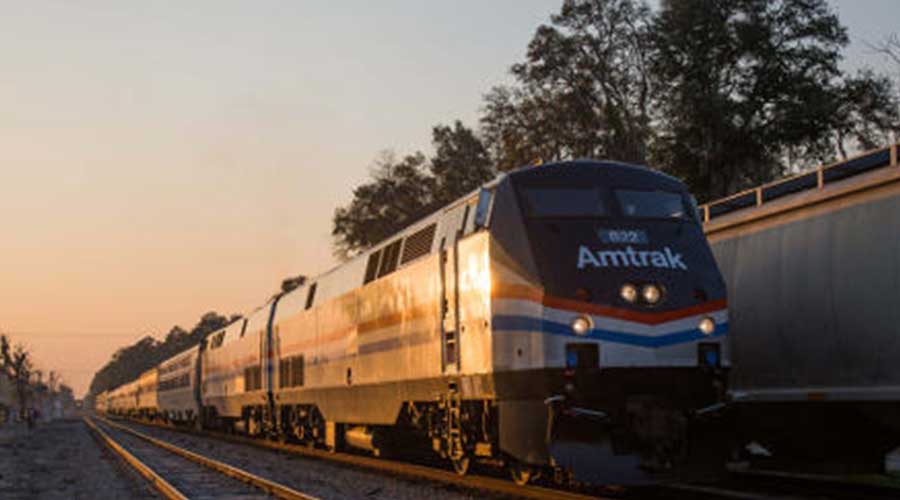
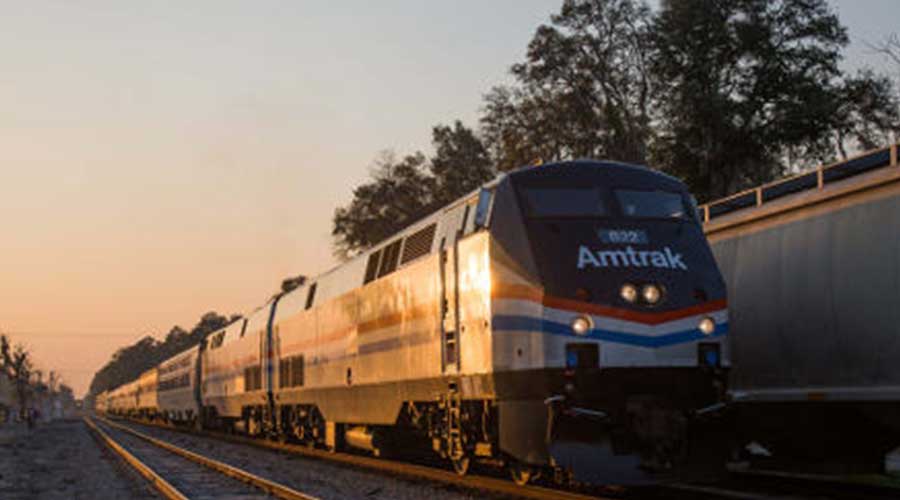
The Surface Transportation Board (STB) yesterday began a two-day hearing to receive public comments on Amtrak's proposal to restore passenger-rail service along the Gulf Coast.
Several political, business and public policy leaders and interested members of the public offered testimony, explaining their reasons for favoring or opposing the national intercity passenger railroad's request to run two daily roundtrips on a route between New Orleans and Mobile, Alabama.
Amtrak trains haven't operated along the Gulf Coast since Hurricane Katrina destroyed rail infrastructure there in 2005. The railroad is now appealing to the STB to require host railroads CSX and Norfolk Southern Railway to allow Amtrak trains to run on the line.
Federal Railroad Administration (FRA) Administrator Amit Bose told STB members that their decision in the Amtrak case will have far-reaching implications beyond the Gulf Coast and "will be pivotal to the future development of intercity passenger rail" in the United States.
"We believe it is imperative that the board use its authority to ensure that host railroads fulfill their fundamental statutory obligations to allow the expansion and improvement of intercity passenger-rail services," Bose said.
The recently passed Infrastructure Investment and Jobs Act (IIJA) "reaffirms" the importance of passenger rail and provides an unprecedented level of funding for it, Bose noted.
He also addressed the CSX and NS argument that Amtrak's two daily round-trip trains on the Gulf Coast route would "unreasonably" impair freight-rail service along the route. However, CSX and NS have not met the statutorily mandated burden of demonstrating that the Amtrak service would impair freight service, Bose said.
|
|
(Editor's Note: As of 2-21-22, RWU has little further information about this new caucus. At first glance, it looks encouraging, and it appears that many of the group's stated principles, goals, and objectives are similar to those held by RWU.) |
|
Rank & File Caucus Group Forms Within the BMWED |
|
Rank and file members Corey Hayes and Michael Babb of the BMWED Southern System Division launched their campaign for Vice Chairman positions for the new NS federation being formed. Southern System Division currently has 3 officer positions and likely will retain 3 Vice Chairman positions in the new NS Federation. The slate is running to bring new leadership and a new direction to Southern BMWED members. Faith in our union is at an all-time low among Southern members and we cannot afford to go down the same path.
The Hayes/Babb slate will work to rebuild the Southern members faith by modernizing communication and being a representative that you can count on! Standing up to the carrier we will win by empowering the membership, upholding our contract, fight contracting out, being transparent, and accountable to the membership.
Contact your Local Lodge Delegate and tell them to Vote for Corey Hayes and Michael Babb to be elected to Southern Vice Chairman at the NS founding convention in March.
Spread the word and let your Brothers and Sisters know about this campaign
|
|
A Landmark Bill Would Outlaw Bosses Cutting Off Healthcare to Striking Workers |
|
Employers regularly eliminate healthcare benefits as a strike-breaking tactic. A bill just introduced in Congress seeks to finally end this practice.
On Wednesday, House Democrats introduced a landmark bill that would make it illegal for employers to cut off healthcare benefits to striking workers. The Striking Workers Healthcare Protection Act would subject employers to a fine of up to $50,000, which could be doubled by the National Labor Relations Board for employers who have been in violation of the policy within the past five years.
Rep. Cindy Axne (D‑Iowa) says she was inspired to introduce the legislation after John Deere threatened to take away healthcare policies from workers who were on strike in her district last fall. Several of the bill’s co-sponsors represent districts where cutting healthcare has been used by companies as a strike-breaking tactic, including Rep. Steven Cohen (D‑Tenn.) whose constituents were among the 1,400 striking workers at Kelloggs’ cereal plants in four states. Other co-sponsors include Reps. Brian Higgins (D‑N.Y.), Andy Levin (D‑Mich.), Jim McGovern (D‑Mass.), Bill Pascrell (D‑N.J.), Linda Sánchez (D‑Calif.) and Nikema Williams (D‑Ga.).
If passed, the legislation could better position workers to negotiate with their employers for better wages, benefits and working conditions.
|
|
(Editor's Note: RWU expects to see a number of key activists retire in the coming months and years. We encourage all young railroad workers to join and get active in RWU! JOIN HERE)
|
|
Young Workers Give Unions New Hope |
|
After decades of decline, U.S. unions have a new reason for hope: younger workers.
Workers in their 20s - and even in their teens - are leading ongoing efforts to unionize companies large and small, from Starbucks and REI to local cannabis dispensaries. The Alphabet Workers Union, formed last year and now representing 800 Google employees, is run by five people who are under 35.
Multiple polls show union approval is high - and growing - among the youngest workers. And U.S. union membership levels are even ticking upward for workers between 25 and 34, even as they decline among other age groups.
Between 2019 and 2021, the overall percentage of U.S. union members stayed flat. But the percentage of workers ages 25-34 who are union members rose from 8.8% to 9.4%, or around 68,000 workers, according to the federal Bureau of Labor Statistics.
Young workers say they see unions as the best way to combat wage inequality and poor working conditions. For some, personal heroes like Vermont Sen. Bernie Sanders - a vocal labor advocate- have piqued their interest in unions. Others say the coronavirus pandemic caused them to rethink what they deserve from their jobs.
|
|
(Editor's Note: Excessively long trains on infrastructure that was not designed to handle them is wreaking havoc on Amtrak's on-time performance as well as its ability to run new service on the Class One railroads.) |
|
FRA Issues Amtrak OTP Report Card |
|
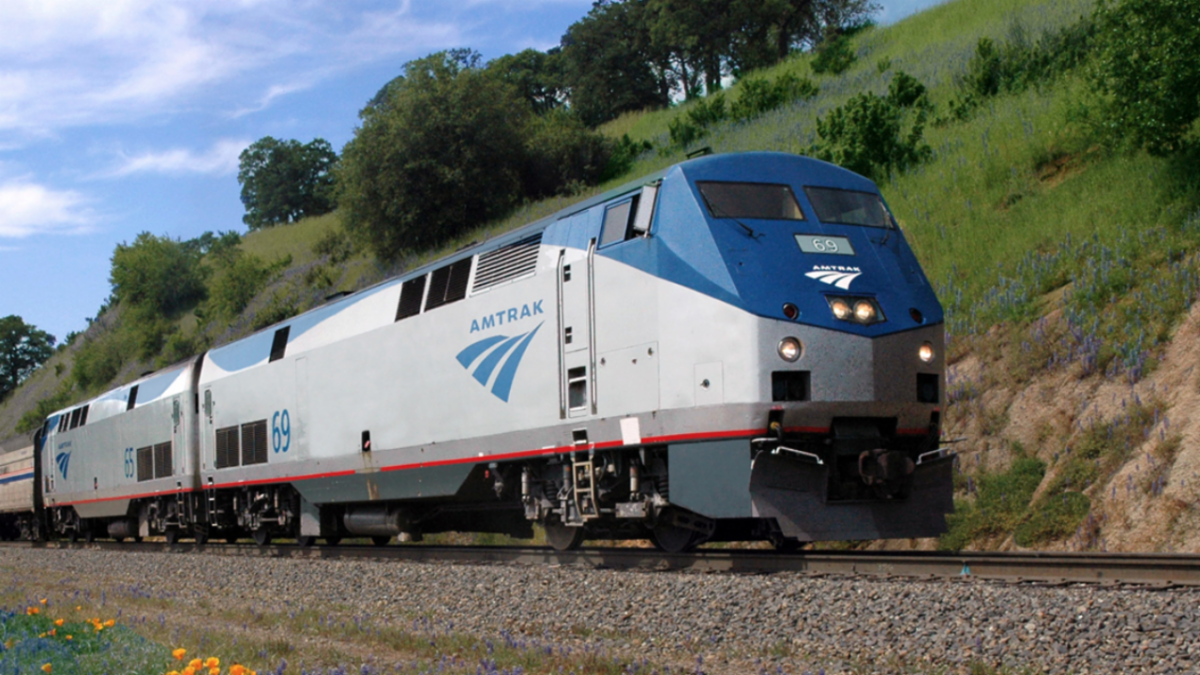
The Federal Railroad Administration (FRA) has released a report measuring the performance and service quality of Amtrak intercity passenger train operations for fourth-quarter 2021 (ending Sept. 30). Among the findings: the Cardinal, Sunset Limited and Texas Eagle were delayed most.
The FRA report, published Feb. 14, found that Amtrak trains experienced more than 1.2 million minutes of delay during the fourth quarter, up 37% from the previous quarter. System-wide, fourth-quarter train-miles were up 33% from the third quarter, coming in at 8,168,324 train-miles, as Amtrak restored service following the pandemic.
“Delay minutes are tracked for each Amtrak train according to 40 individual delay codes across three major categories: Host Responsible Delays (including freight train interference and slow orders on the track), Amtrak Responsible Delays (including equipment problems and delays related to passenger loading and unloading), and Third Party Responsible Delays (primarily weather-related),” according to the report.
|
|
NTSB Releases Initial Report on Norfolk Southern Contractor Death in December 2021 |
|
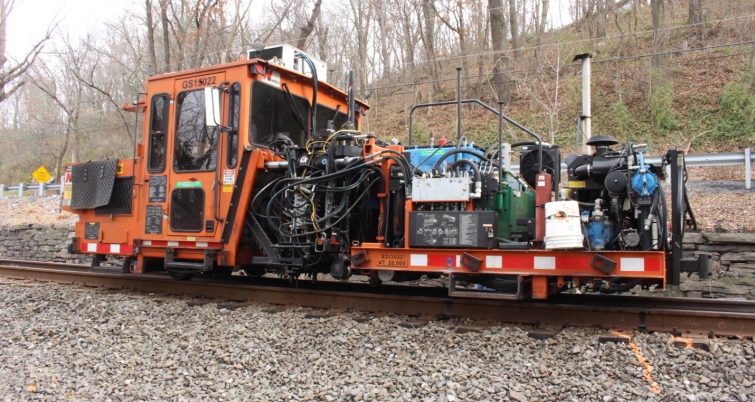
On December 8, 2021, about 11:20 a.m. local time, an employee for National Salvage and Service Corporation assigned to work with a Norfolk Southern Corporation (NS) work gang replacing track was killed when the operator of a spike machine reversed direction and struck the employee in Reed, Pennsylvania. In the moments before the accident, three NS spike machines were being operated from north to south on the NS main track Buffalo line at milepost BR 295.1. The employee was marking rail to be removed and collected by the NS work gang when he was struck. (See figure.) The weather was clear with no precipitation.
Preliminary information indicates that the employee was standing in the gage (distance between the rails) of the track at the time he was struck. The operator of the striking spike machine informed the National Transportation Safety Board (NTSB) investigators during interviews that he did not see the employee behind the spike machine before initiating the reverse movement or during the reverse movement.
While on scene, NTSB investigators examined the accident location, conducted noise level testing of the environment and the equipment with the help of the local Occupational Safety and Health Administration office, conducted sight-distance testing, tested equipment with a representative from the manufacturer, and conducted interviews. The NTSB’s investigation is ongoing. Future investigative activity will focus on equipment, training requirements, railroad worker safety, and regulatory compliance.
|
|
(Editor's Note: For those who may have viewed these earlier this year, our apologies. It is exciting and encouraging to see the groundswell of interest in the U.S. rail system and the desire to see the railroad be all it can be. These videos are well researched and professionally put together with well over 100,000 views) |
|
Homemade Videos on YouTube Oppose PSR, Support Electrification, Rail Development |
|
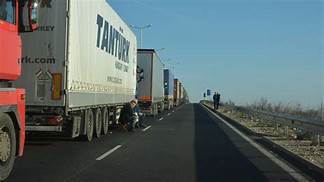
Why Aren’t North American Freight Rail Crews Staging Cross-Border Protests? |
|
North American freight rail operations also cross the border, but there hasn’t been the same level of dissent among rail workers. The rail unions and some of the Class I railroads did go to court over rail companies’ implementation of the vaccine mandate for federal contractors — a mandate that has since been stalled by the courts — but the industry hasn’t been concerned about disruptions at the border in the way that the trucking industry has.
That’s because the freight railroads handle cross-border operations differently. The unions of all three countries — Canada, the U.S. and Mexico — define how workers operate at the borders. When freight crosses the border and moves to another country, rail workers from that country take over.
Pre-COVID, the U.S. freight rail industry was lobbying the government to extend the area where Mexican rail workers are allowed to work in the U.S., arguing that it would improve the operational efficiency of railroads that regularly cross the U.S.-Mexico border, such as Kansas City Southern and Union Pacific (NYSE: UNP).
“It’s really an apples-and-oranges situation when you talk about truck and rail when it comes to cross-border movements,” said Todd Tranausky, a rail and intermodal expert with consultancy firm FTR Transportation Intelligence. “With a truck, the driver himself needs to cross the border with the freight. Whereas with rail, the freight crosses the border, which is a customs clearance process but in most cases the crews either do not — or do not do so past a preestablished zone.
|
|
(Editor's Note: While we urge our readers to take these survey results with a grain of salt, this result is in stark contrast to the Glassdoor survey that suggested that UP, CSX and NS were in all in the top 5 WORST employers to work for in 2021. Whatever the case, actions speak louder than words. Hundreds of Amtrak employers have come over from the Class One railroads. Hardly any Class One workers come over from Amtrak. NOTE: For all you Class One freight railroaders out there who are ready to jump ship, Amtrak is hiring lots of new employees in many crafts in terminals across the U.S. Now might just be time to make that move. Certified engineers take their vacation weeks and pay progression percentage with them! Want more info? Email RWU at info@railroadworkersunited.org) |
|
Amtrak Named to Forbes’ Best U.S. Employers List |
|
The list was determined by survey results from 60,000 American employees whose employers had more than 1,000 workers in the country. Respondents were asked to rate their willingness to recommend their own employer to others. In total, 1,000 employers were recognized across 25 industries.
"We believe that passenger rail is how we will sustainably meet the transportation needs of the 21st century, and we are looking for people who share this belief to join our company," said Amtrak President and CEO Stephen Gardner in a press release. "Our mission of connecting communities has never been more important, and with our growth, this is a great time to work in an exciting, fast-paced and inclusive environment."
|
|
(Editor's Note: There was a time when the rail unions and the miners' union together had the power to shut things down and win. All rails are encouraged to support these brothers and sisters in their fight!) |
|
Stand in Solidarity With Striking Alabama Coal Miners! |
|
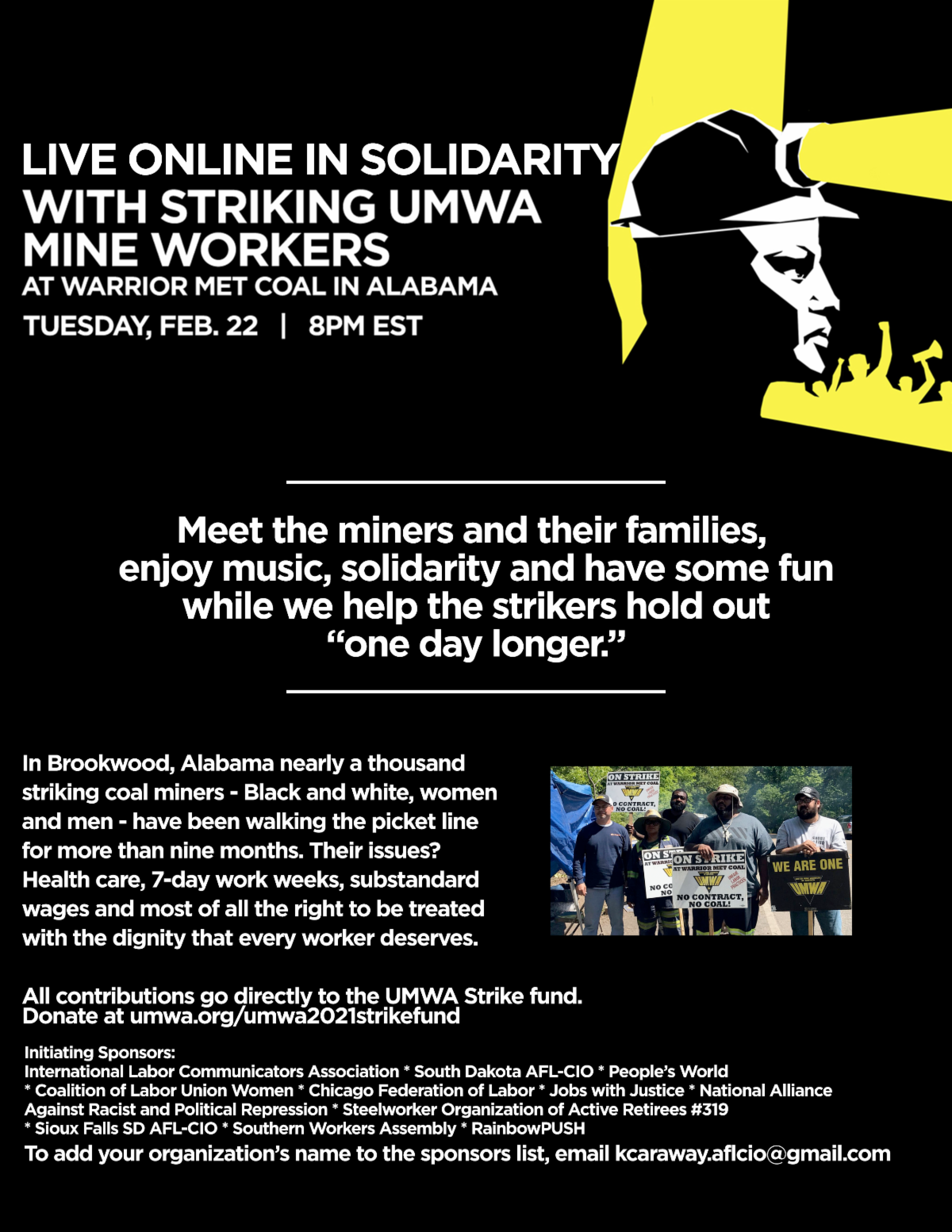
We're going to have music, talks, and fun while raising money to support the striking Warrior Met Coal mine workers.
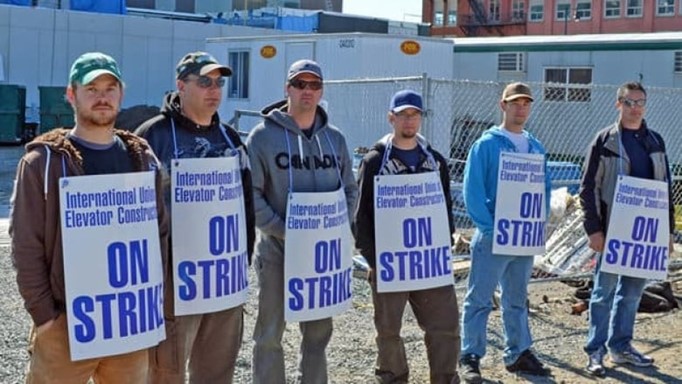
In Brookwood, Alabama nearly a thousand striking coal miners - Black and white, women and men - have been walking the picket line for more than nine months. Their issues? Health care, 7-day work weeks, substandard wages and most of all the right to be treated with the dignity that every worker deserves.
The event will be an opportunity for you to meet striking miners and their families, hear their stories, why they’re striking, and more. There will also be live music and you will learn how you can continue standing in solidarity with the miners during their ongoing strike.
|
|
|
|
|
|
|