Editors rely on the honor system; is that good enough to disclose authors' possible conflicts?
The nation's leading medical journals have widely varying policies regarding the conflicts of interest they require authors to disclose, a MedPage Today survey found.
Not only are the time periods for which conflicts should be disclosed different, none of the responding journals said they routinely conduct independent checks, such as reviewing the Open Payments database, for financial relationships that authors didn't disclose.
Eight of the 16 journals surveyed set a 3-year window in which potential conflicts should be reported, three set a 2-year time period, and two -- Science and the American Journal of Public Health -- impose a 5-year reporting period. Potential conflicts that existed outside those windows would not be required for disclosure.
Read More
| |
Reactions from physician and consumer groups were positive, but drugmakers begged to differ
Physician and consumer groups expressed positive responses to Medicare's release Thursday of its price list for the first 10 negotiated drugs under its Drug Price Negotiation program, but the pharmaceutical industry was not so pleased.
"This administration's effort to make care more affordable and improve patient access to necessary medications is commendable," Deborah Dyett Desir, MD, president of the American College of Rheumatology, said in a statement. "The financial burden caused by skyrocketing drug prices all too often forces patients to skip or forgo treatments altogether, leading to further disease progression and permanent harm that impacts their quality of life. Lowering out-of-pocket medication expenses for Medicare beneficiaries will help to alleviate this risk."
The price negotiation program was passed in 2022 as part of the Inflation Reduction Act (IRA). The measure lowers prescription drug costs for seniors by empowering Medicare to negotiate the cost of prescription drugs. The 10 drugs on the list and their price reductions for a 30-day supply were...
Read More
| |
|
More than half of U.S. states are reporting signs that COVID levels are poised to continue their summerlong rise.
The latest CDC wastewater monitoring data shows that 27 U.S. states are detecting “very high” levels of SARS-CoV-2, the virus that causes COVID. The label “very high” indicates the highest viral activity level used by the agency. There are four lower levels that can be reported: minimal, low, moderate, and high. Nationwide, the lowest level being reported is moderate, and there are no states reporting low or minimal levels.
“If you see increased Wastewater Viral Activity Levels of SARS-CoV-2, it might indicate that there is a higher risk of infection,” the CDC warns.
Read More
| |
Data From the UK and Ireland National Neuromodulation Registry
Patients with chronic pain have inferior quality of life to that of the general population. The Global Burden of Disease study 2021 showed that pain and pain-related disease are the greatest cause of years lived with disability worldwide. Low back pain in particular is the leading single cause of disability.
Spinal cord stimulation (SCS) is a well-established treatment for chronic severe pain of various etiologies. However, some recent publications have asserted that spinal neuromodulation may not provide clinically significant pain relief compared with placebo. Notable among these are two Cochrane systematic reviews. One of the Cochrane reviews states that “people treated with the addition of SCS may experience less pain and higher quality of life after one month or six months of stimulation. There is limited evidence to draw conclusions in the long term of one year or more,” and that “compared to a sham … SCS may result in small reductions in pain intensity in the short term that may not be clinically important … no evidence [in the] medium or long-term.” The other states, “moderate-certainty evidence suggests there is probably no benefit of SCS over placebo on pain, function, or health-related quality of life in the medium term.”
The findings of these reviews are at odds with the everyday clinical experience of implanting physicians, and their inclusion criteria, methods, presentation of results, analysis, and interpretation have been robustly criticized. Nevertheless, the authors draw conclusions intended for policymakers and funders, which may directly affect the availability of SCS for some patients. In this context, large “real-world” data sets showing outcome after SCS, in a population reflective of the generality of those receiving the treatment, complementing data from clinical trials, are urgently needed.
Read More
| |
|
Nearly 10% of patients with chronic pain treated with opioids develop opioid use disorder, whereas 30% show signs and symptoms of dependence, highlighting the need for monitoring and alternative pain management strategies.
METHODOLOGY:
- Researchers conducted a systematic review and meta-analysis using MEDLINE, Embase, and PsycINFO databases from inception to January 27, 2021.
- The studies analyzed were predominantly from the United States (n = 115) as well as high-income countries such as the United Kingdom (n = 5), France (n = 3), Spain (n = 4), Germany (n = 4), and Australia (n = 2).
- A total of 148 studies from various settings with over 4.3 million participants were included, focusing on patients aged ≥ 12 years with chronic non-cancer pain of ≥ 3 months duration, treated with opioid analgesics.
Read More
| |
|
Virtual
September 28, October 26,
November 9 & December 14
Click here for the complete list of upcoming exams.
ABIPP Part I; ABIPP Path - Combined DCCPM/CSM virtual exam;
ABIPP Competency Exam in IPM; ABIPP Competency Exam in Regenerative Medicine;
CSM Competency Exam; DCCPM Competency Exam
In Person
October 18, 2024
ABIPP Part II - Practical Examination
Lab Venue: MERI, 44 S. Cleveland Street, Memphis, TN 38104
| |
|
Since the COVID-19 pandemic, alcoholic hand sanitizers have become widely accessible nationwide. They can pose a problem, especially for emergency departments, when alcohol-dependent patients start drinking them. One example that demonstrates the challenge of diagnosing alcohol abuse is the medical history of a young malingerer, as reported by Mahmoud El Hussein, MD, and colleagues from Hôpital Lariboisière in Paris, France.
Presentation and History
A 26-year-old man presented with severe abdominal pain at the emergency department. Upon arrival, he was hemodynamically stable but nervous and verbally aggressive at times. The patient reported no relevant preexisting conditions and was not taking any medications.
Findings
Upon initial physical examination, the patient had a soft, diffusely tender abdomen; tachycardia; and notably poor hygiene. The patient was afebrile. An ECG confirmed the tachycardia but showed no signs of ischemia. Blood work, except for slightly elevated liver values, did not reveal any abnormalities, particularly ruling out bleeding or kidney disease.
Read More
| |
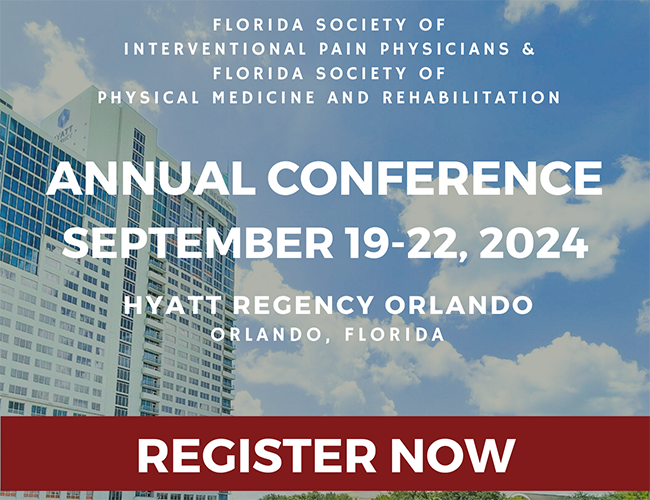
Registration is open for
ASIPP's 2025 Annual Meeting
We would love it if you would register and join us in Orlando!
| |
|
A new "best practices" guide released by the Alliance for Pharmacy Compounding (APC) aims to educate compounding pharmacists and reassure prescribers about the ethical, legal, and practical considerations that must be addressed to ensure quality standards and protect patients' health.
Endocrinologists have expressed skepticism about the quality of compounded drugs, particularly the popular glucagon-like peptide 1 (GLP-1) semaglutide. The US Food and Drug Administration (FDA) recently issued an alert linking hospitalizations to overdoses of compounded semaglutide.
"This document goes beyond today's media-grabbing shortages," APC Board Chair-Elect Gina Besteman of Belmar Pharma Solutions told Medscape Medical News. "We developed these best practices to apply to all shortage drug compounding, and especially in this moment when so many are compounding GLP-1s. These serve as a reminder about what compliance and care look like."
Read More
| |
ASIPP State Society Meeting: | |
|
A single night of sleep deprivation had a significant impact on human blood serum, based on new data from an analysis of nearly 500 proteins. Compromised sleep has demonstrated negative effects on cardiovascular, immune, and neuronal systems, and previous studies have shown human serum proteome changes after a simulation of night shift work, wrote Alvhild Alette Bjørkum, MD, of Western Norway University of Applied Sciences, Bergen, Norway, and colleagues.
In a pilot study published in Sleep Advances, the researchers recruited eight healthy adult women aged 22-57 years with no history of neurologic or psychiatric problems to participate in a study of the effect of compromised sleep on protein profiles, with implications for effects on cells, tissues, and organ systems. Each of the participants served as their own controls, and blood samples were taken after 6 hours of sleep at night, and again after 6 hours of sleep deprivation the following night.
The researchers identified analyzed 494 proteins using mass spectrometry. Of these, 66 were differentially expressed after 6 hours of sleep deprivation. The top five enriched biologic processes of these significantly changed proteins were protein activation cascade, platelet degranulation, blood coagulation, and hemostasis.
Read More
| |
- ASIPP Members Only Site Information - | |
-
To log in for the first time you will need to click “forgot password” at the bottom of the login window.
- Check your email and then log in as directed.
-
If you have problems logging into your account, click here.
| |
|
Pain Medicine Case Reports (PMCR) and Editor-in-Chief Alaa Abd-Elsayed, MD, PhD would like to invite you to submit case reports and case series to the PMCR journal. Your article will be published free of charge.
Open access journals are freely available online for immediate worldwide open access to the full text of published articles. There is no subscription fee for open access journals. Open access journals are no different from traditional subscription-based journals: they undergo the same peer review and quality control as any other scholarly journal.
Interested in becoming a member of the PMCR Editorial Board?
Editorial board members are asked to review 2-6 manuscripts per year. Please submit your most up-to-date CV to sgold@asipp.org for consideration.
For more information or to submit your articles, click here.
| |
|
Vahid Mohabbati, MD, Parsa Mohabbati , and Mohammadkazem Papan, PhD
Abstract
BACKGROUND: Small-fiber neuropathies (SFNs), affecting thinly myelinated Ad fibers and unmyelinated C fibers, often manifest with sensory or autonomic symptoms in varied patterns. Diagnostic tools comprise skin biopsy, quantitative sensory, autonomic testing, and biochemical markers. Spinal cord stimulation (SCS), particularly high-frequency SCS, has emerged as a pivotal therapeutic intervention.
CASE REPORT: This study delves into a 49-year-old woman diagnosed with idiopathic asymmetrical SF peripheral neuropathy, examining her 12-month postoperative trajectory after SCS implantation. Postsurgical assessment revealed substantial improvements: baseline pain (Numeric Rating Scale 7) decreased to 4 at 3 months, indicating reduced intensity; Oswestry Disability Index improved from 38% to 4%, highlighting enhanced functionality; Patient-Specific Questionnaire 3 average score dropped from 35 to 2, indicating improved outcomes in specific pain-related concerns.
CONCLUSIONS: This case report underscores the efficacy of SCS in managing idiopathic asymmetrical SFN, demonstrating significant symptomatic relief over a 12-month postoperative period.
KEY WORDS: Small-fiber neuropathy, spinal cord stimulation, HF10 SCS, idiopathic asymmetrical small-fiber neuropathy, pain management
PDF
Read More
| |
Laxmaiah Manchikanti, MD, Mahendra R. Sanapati, MD, Devi Nampiaparampil, MD, Byron J. Schneider, MD, Alexander Bautista, MD, Alan D. Kaye, MD, PhD, Nebojsa Nick Knezevic, MD, PhD, Alaa Abd-Elsayed, MD, Annu Navani, MD, Paul J. Christo, MD, Standiford Helm II, MD, Adam M. Kaye, PharmD, Jay Karri, MD, Vidyasagar Pampati, MSc, Sanjeeva Gupta, MD, Vivekanand A. Manocha, MD, Amol Soin, MD, Mayank Gupta, MD, Sanjay Bakshi, MD, Christopher G. Gharibo, MD, Kenneth D. Candido, MD, Anjum Bux, MD, Anilkumar Vinayakan, MD, Vinayak Belamkar, MD, Scott Stayner, MD, PhD, Sairam Atluri, MD, Sara E. Nashi, MD, Megan K. Applewhite, MD, Chelsi Flanagan, DO, Emiliya Rakhamimova, BA, Gerard Limerick, MD, PhD, Kunj G. Patel, MD, Sierra Willeford, DO, and Joshua A. Hirsch, MD
Abstract
BACKGROUND: The frequency of performance of interventional techniques in chronic pain patients receiving anticoagulant and antiplatelet therapy continues to increase. Understanding the importance of continuing chronic anticoagulant therapy, the need for interventional techniques, and determining the duration and discontinuation or temporary suspension of anticoagulation is crucial to avoiding devastating complications, primarily when neuraxial procedures are performed. Anticoagulants and antiplatelets target the clotting system, increasing the bleeding risk. However, discontinuation of anticoagulant or antiplatelet drugs exposes patients to thrombosis risk, which can lead to significant morbidity and mortality, especially in those with coronary artery or cerebrovascular disease. These guidelines summarize the current peer reviewed literature and develop consensus-based guidelines based on the best evidence synthesis for patients receiving anticoagulant and antiplatelet therapy during interventional procedures.
STUDY DESIGN: Review of the literature and development of guidelines based on best evidence synthesis.
OBJECTIVES: To provide a current and concise appraisal of the literature regarding the assessment of bleeding and thrombosis risk during interventional techniques for patients taking anticoagulant and/or antiplatelet medications.
METHODS: Development of consensus guidelines based on best evidence synthesis included review of the literature on bleeding risks during interventional pain procedures, practice patterns, and perioperative management of anticoagulant and antiplatelet therapy. A multidisciplinary panel of experts developed methodology, risk stratification based on best evidence synthesis, and management of anticoagulant and antiplatelet therapy. It also included risk of cessation of anticoagulant and antiplatelet therapy based on a multitude of factors. Multiple data sources on bleeding risk, practice patterns, risk of thrombosis, and perioperative management of anticoagulant and antiplatelet therapy were identified. The relevant literature was identified through searches of multiple databases from 1966 through 2023.
In the development of consensus statements and guidelines, we used a modified Delphi technique, which has been described to minimize bias related to group interactions. Panelists without a primary conflict of interest voted on approving specific guideline statements. Each panelist could suggest edits to the guideline statement wording and could suggest additional qualifying remarks or comments as to the implementation of the guideline in clinical practice to achieve consensus and for inclusion in the final guidelines, each guideline statement required at least 80% agreement among eligible panel members without primary conflict of interest.
RESULTS: A total of 34 authors participated in the development of these guidelines. Of these, 29 participated in the voting process. A total of 20 recommendations were developed. Overall, 100% acceptance was obtained for 16 of 20 items. Total items were reduced to 18 with second and third round voting. The final results were 100% acceptance for 16 items (89%). There was disagreement for 2 statements (statements 6 and 7) and recommendations by 3 authors. These remaining 2 items had an acceptance of 94% and 89%. The disagreement and dissent were by Byron J. Schneider, MD, with recommendation that all transforaminals be classified into low risk, whereas Sanjeeva Gupta, MD, desired all transforaminals to be in intermediate risk. The second disagreement was related to Vivekanand A. Manocha, MD, recommending that cervical and thoracic transforaminal to be high risk procedures.
Thus, with appropriate literature review, consensus-based statements were developed for the perioperative management of patients receiving anticoagulants and antiplatelets These included the following: estimation of the thromboembolic risk, estimation of bleeding risk, and determination of the timing of restarting of anticoagulant or antiplatelet therapy.
Risk stratification was provided classifying the interventional techniques into three categories of low risk, moderate or intermediate risk, and high risk. Further, on multiple occasions in low risk and moderate or intermediate risk categories, recommendations were provided against cessation of anticoagulant or antiplatelet therapy.
LIMITATIONS: The continued paucity of literature with discordant recommendations.
CONCLUSION: Based on the review of available literature, published clinical guidelines, and recommendations, a multidisciplinary panel of experts presented guidelines in managing interventional techniques in patients on anticoagulant or antiplatelet therapy in the perioperative period. These guidelines provide a comprehensive assessment of classification of risk, appropriate recommendations, and recommendations based on the best available evidence.
KEY WORDS: Perioperative bleeding, bleeding risk, practice patterns, anticoagulant therapy, antiplatelet therapy, interventional techniques, safety precautions, pain
DISCLAIMER: These guidelines are crafted from the most up-to-date evidence and are not intended as rigid treatment mandates. Given the evolving nature of scientific evidence, this document does not aim to establish a definitive “standard of care.”
Read More
| |
Laxmaiah Manchikanti, MD, Mahendra R. Sanapati, MD, Vidyasagar Pampati, MSc, Amol Soin, MD, and Joshua A. Hirsch, MD
Abstract
BACKGROUND: The role of antiplatelet/anticoagulant therapy is well known for its primary and secondary prevention of sequela from cardiovascular disease by decreasing the incidence of acute cerebral, cardiovascular, peripheral vascular, and other thrombo-embolicevents. The overwhelming data show that the risk of thrombotic events is significantly higher than that of bleeding during surgery after antiplatelet drug discontinuation. It has been assumed that discontinuing antiplatelet therapy prior to performing interventional pain management techniques is a common practice, even though doing so may potentially increase the risk of acute cerebral and cardiovascular events.
A survey of practice patterns was conducted in 2012, since then the risks associated with thromboembolic events and bleeding, has not been systematically evaluated.
OBJECTIVE: To conduct an updated assessment of the perioperative antiplatelet and anticoagulant practice patterns of U.S. interventional pain management physicians and compare this with data collected in 2012 with 2021 data regarding practice patterns of continuing or discontinuing anticoagulant therapy.
STUDY DESIGN: Postal survey of interventional pain management physicians.
STUDY SETTING: Interventional pain management practices in the United States.
METHODS: The survey was conducted based on online responses of the members of the American Society of Interventional Pain Physicians (ASIPP) in 2021. The survey was designed similar to the 2012 survey to assess updated practice patterns.
RESULTS: The questionnaire was sent out to 1,700 members in October 2021. Out of these, 185 members completed the survey, while 105 were returned due to invalid addresses.
The results showed that 23% changed their practice patterns during the previous year. The results also showed that all physicians discontinued warfarin therapy with the majority of physicians accepting an INR of 1.5 as a safe level. Low dose aspirin (81 mg) was discontinued for 3 to 7 days for low-risk procedures by 8% of the physicians, 34% of the physicians for moderate or intermediate risk procedures, whereas they were discontinued by 76% of the physicians for high-risk procedures. High dose aspirin (325 mg) was discontinued at a higher rate. Antiplatelet agents, including dipyridamole, cilostazol, and Aggrenox (aspirin, extended-release dipyridamole) were discontinued from 3 to 5 days by 18%-23% of the physicians for low-risk procedures, approximately 60% of the physicians for moderate or intermediate-risk procedures, and over 90% of the physicians for high-risk procedures. Platelet aggregation inhibitors clopidogrel, prasugrel, ticlopidine, and ticagrelor were discontinued for 3 to 5 days by approximately 26% to 41% for low-risk procedures, almost 90% for moderate or intermediate-risk procedures, and over 97% for high-risk procedures. Thrombin inhibitor dabigatran was discontinued by 33% of the physicians for low-risk procedures, 92% for moderate or intermediate-risk procedures, and 99% for high-risk procedures. Anti-Xa agents, apixaban, rivaroxaban, and Edoxaban were discontinued in over 25% of the physicians for low-risk procedures, approximately 90% for moderate or intermediate-risk procedures, and 99% for high-risk procedures.
LIMITATIONS: This study was limited by its being an online survey of the membership of one organization in one country, that there was only a 11.6% response rate, and the sample size is relatively small. Underreporting in surveys is common. Further, the incidence of thromboembolic events or epidural hematomas was not assessed.
CONCLUSION: The results in the 2021 survey illustrate a continued pattern of discontinuing antiplatelet and anticoagulant therapy in the perioperative period. The majority of discontinuation patterns appear to fall within guidelines.
KEY WORDS: Interventional pain management, interventional techniques, hemostasis, anticoagulants, antiplatelet therapy, thromboembolic events, bleeding, complications, aspirin, clopidogrel (Plavix), warfarin (Coumadin).
Read More
| |
|
ASIPP is now in collaboration with Curi Medical Liability Program
| |
|
Since this malpractice insurance program officially launched in November 2018, ASIPP has signed up hundreds of providers with an average savings of 30%. This is professional liability insurance tailored to our specialty and will stand up for us and defend our practices.
Curi is a full-service advisory firm that serves physicians and their practices. Their valued advice is grounded in your priorities and elevated in your outcomes. They are driven by a deep understanding of your specific circumstances in medicine, business, and life. To read a few important points to keep in mind about the program, including discounts, administrative defense, cyber coverage, aggressive claims handling, and complimentary risk management CME activities, visit our website.
| | |
|
Group Purchasing Organization Offer Better Pricing and Creates Added Value
ASIPP has formed a partnership with Henry Schein and PedsPal, a national GPO that has a successful history of negotiating better prices on medical supplies and creating value-added services for independent physicians. Working with MedAssets, PedsPal provides excellent pricing on products like contrast media that alleviate some of the financial pressures you experience today.
Learn More
| |  |
|
ASIPP, Fedora Billing,
and Revenue Cycle Management Partnership
ASIPP is now offering our members the benefit of a unique revenue cycle management/ billing service.
We have received a tremendous amount of interest in the ASIPP® billing and coding program.
Click here to learn more about the negotiated rate for practices and more!
| |
|
Like and follow ASIPP® on Facebook, X, and LinkedIn for the most
up-to-date news related to you, your practice, and your patients!
| | | | |