Please share our newsletter with friends and colleagues.
A Message from Vint Cerf
Marconi Society Chair
It is nearly the end of summer but not the end of the COVID-19 pandemic nor, for many, the end of the world. But it is a very complex time. Absent an assured and tested vaccine, we have only palliative methods available: masks and social distancing, frequent hand washing, and surface sterilization. 
 
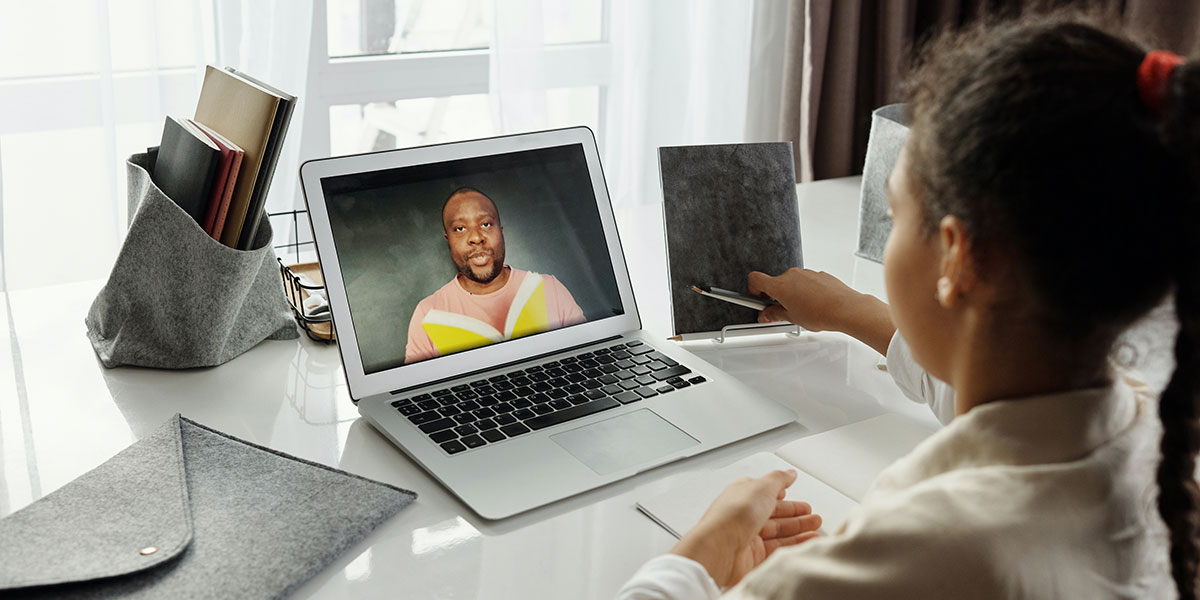
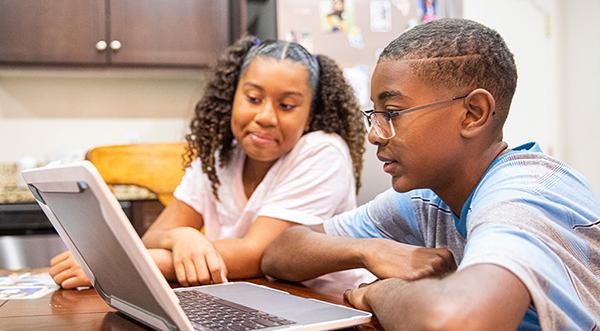
In normal times, students of all ages would be returning to school, but these are not normal times. While some schools have rearranged their routines and facilities to accommodate the necessary social distancing, many cannot. This means that remote learning is the only solution available for many students and families, whether they are ready for this scenario or not. Not every home or school is equipped to accommodate this practice. Setting aside obvious problems, like having a conducive space to hear lectures and to study, many homes are not well equipped—or equipped at all—with Internet access.

Vint Cerf
Chairman, Marconi Society
2020 Marconi Young Scholar News
A Message from Samantha Schartman-Cycyk
Marconi Society Executive Director
In early March this year, members of Congress criticized the Federal Communications Commission (FCC) for what they called an insufficient plan to address lack of broadband access across the U.S. The plan, which formalized the Rural Digital Opportunity Fund (RDOF), “sets a dangerous and counterproductive precedent that discourages states from investing in rural communities,” according to Senate Minority Leader Chuck Schumer, reported by The Verge.

We’ve known for years that access to dependable, affordable, and high-speed Internet (and the equipment and skills to use it) significantly impacts health, economic, educational, and interpersonal outcomes. Lack of access also tends to fall along demographic lines including racial, age, demographic, gender, and socioeconomic divides, further exacerbating existing inequalities. And our current data on coverage in the U.S. leaves much to be desired.

Roberto Gallardo, director of the Purdue Center for Regional Development, points out that 11% of U.S. households (that’s 14.4 million) have no computer in the home. In his latest blog for the Marconi Society, Gallardo argues that research and information-gathering is essential in the fight to close the digital divide. Although the conversation often centers on the lack of connectivity in rural areas, coverage in urban areas is inconsistent at best, often impacting communities of color disproportionately. 

With so many of our education, economic, health, and cultural opportunities delivered via the Internet these days, it’s more important than ever to find a solution. Learn more about Gallardo’s research and proposed solutions on the blog.
From the Marconi Blog
Marconi Society In the News

Cerf and Kahn are Marconi Fellows, and among seven inductees to the Consumer Technology Association Hall of Fame this year.
  

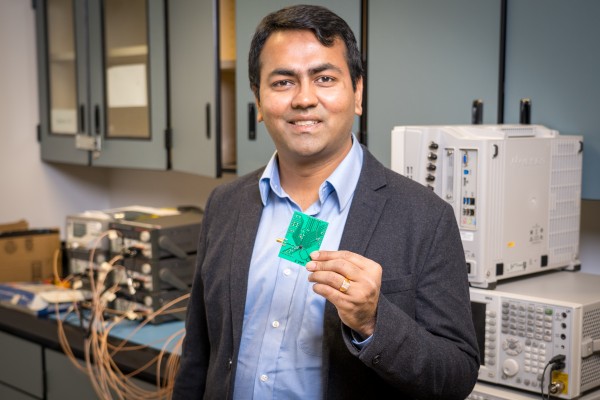
Bharadia and his team have developed new algorithms to improve contact-tracing technology indoors.
  

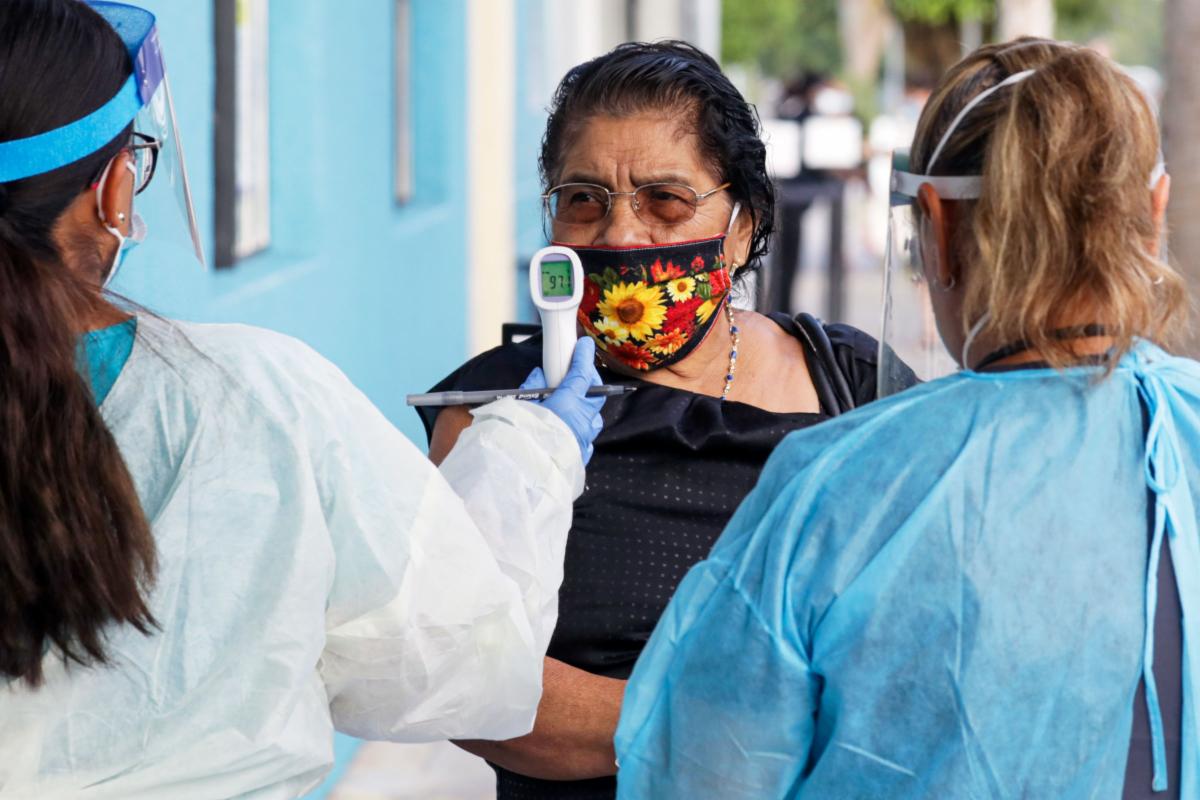
Remote work raises concerns of video conference security, employee data management, and digital asset security.

What We're Reading
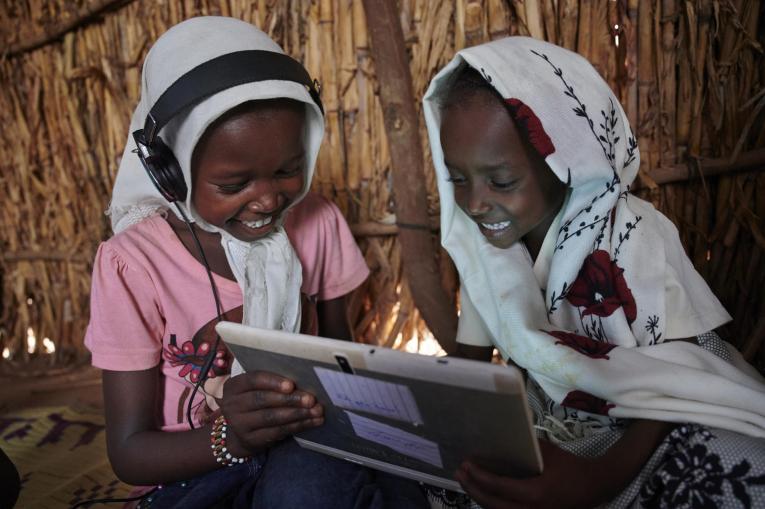
Two young children wearing head coverings sit close together, smiling at a tablet computer
The rotunda roof of the US Capitol Building
A colorful graphic showing a human brain, split down the middle
With Gratitude to our Sponsors
Paul Baran

Stefania Bartoletti

Giovanni Corazza

Vint and Sigrid Cerf

Joan and Assia Cioffi

Guilhem de Valicourt

Andrea Goldsmith

Hatti Hamlin
Marty Cooper and
Arlene Harris

Federico and Elvia Faggin

Camilla Fritze

Zvi and Bella Galil

Martin and
Dorothie Hellman

Sir David Payne
Paulraj Family
Charitable Trust

Paula Reinman and
Sandy Gross

Ronald L. Rivest

Robert Tkach and
Ann Von Lehmen

Romano Volta

Hao Zou

About The Marconi Society
Established in 1974 by the daughter of Guglielmo Marconi, the Nobel Laureate who invented radio, the Marconi Society celebrates, inspires and connects the innovators who are building tomorrow’s technologies in service of a digitally inclusive world.. More information may be found at www.marconisociety.org.