October 19, 2026 | Issue #40 | | Support of the Monday Morning Update | | For 2026 please consider a donation to help support delivery of the Monday Morning Update to your email every week by 5:30 am. Our distribution of this update is over 12,000 and growing. Your consideration is greatly appreciated. Thank you! | |
Babies Are Not Born Three Years Old: California Must Be Cautious but Bold in Expanding Child Care Access
by Denyne Micheletti, CEO
California has invested billions in expanding early childhood education and child care.
While these investments reflect important commitments, good intentions do not always produce good outcomes.
As we look toward 2027, we must be willing to acknowledge missteps, confront uncomfortable realities, and pursue bold solutions that strengthen California's capacity to serve more working families.
We must be cautious enough to learn from our mistakes, but bold enough to change course.
California's rapid expansion of Universal Prekindergarten (UPK) offers an important lesson. While expanding educational opportunities for four-year-olds is commendable, implementation has destabilized portions of the private child care market.
For decades, private centers and family child care homes have relied on preschool enrollment to help offset the higher costs of infant and toddler care. As transitional kindergarten expanded, some programs lost critical revenue, threatening their ability to remain open and serve younger children.
In expanding access for one age group, we risk reducing access for others.
Babies are not born three years old.
Working families need affordable, reliable care beginning in infancy. Expanding preschool while diminishing infant and toddler capacity is not a comprehensive child care strategy. Public investments should strengthen, not undermine, the existing network of providers.
Equally concerning is our continued reliance on a child care workforce compensated at unconscionably low rates.
We celebrate early educators as essential while failing to fund compensation that reflects their skills, responsibilities, and contributions.
We cannot call this workforce essential while treating fair compensation as optional.
California must prioritize reimbursement that reflects the true cost of providing care, including competitive wages, benefits, and sustainable operating expenses.
We must also confront the contradiction of families waiting for subsidized child care while available funding remains unspent.
Funding alone does not create access.
Alternative Payment Programs, Resource and Referral agencies, and community-based organizations are essential to connecting families with care. Yet outdated technology, restrictive funding structures, delayed contracts, and unfunded administrative mandates continue to limit their effectiveness.
A dollar appropriated is not the same as a child served.
With significant budget pressures ahead, California must think differently. We should redirect available resources toward serving more children, expanding infant and toddler capacity, strengthening the workforce, and modernizing the infrastructure that makes access possible.
We must also preserve parental choice, recognizing that families depend on licensed centers, family child care homes, and trusted family, friend, and neighbor providers to meet diverse work schedules and needs.
Being bold does not always require spending more. Sometimes it requires removing barriers, challenging outdated policies, and using existing investments more effectively.
Most importantly, it requires acknowledging when well-intentioned decisions have unintended consequences and having the courage to correct them.
California cannot build tomorrow's child care system by weakening the programs, professionals, and community organizations serving families today.
Let us be cautious about repeating mistakes, but bold in building a stronger, more sustainable system.
Our success should not be measured simply by dollars appropriated or programs created, but by the number of children and working families who can actually access the care they need.
| |
Reflecting on 2026, Looking Ahead to 2027: Building on Our Impact
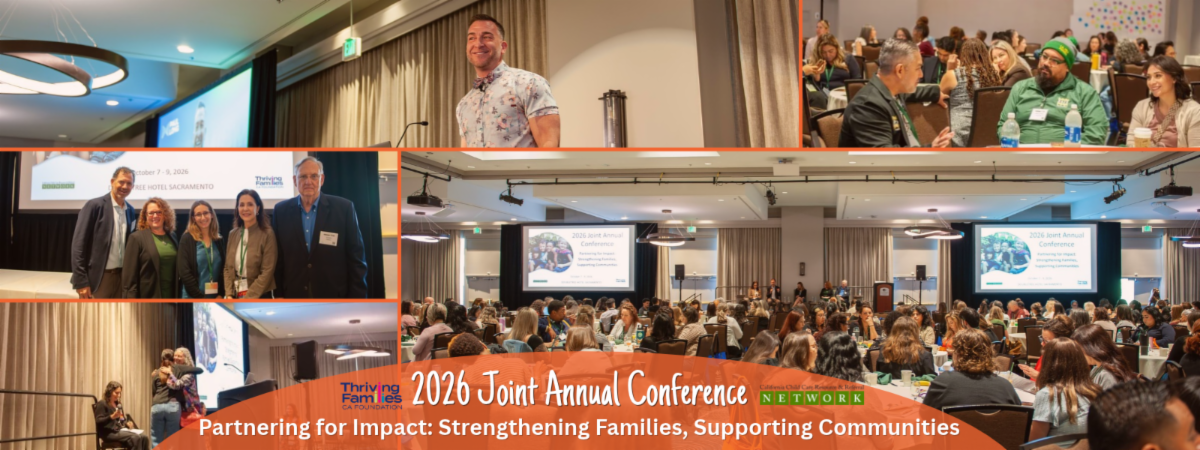
We are proud of the meaningful conversations, valuable insights, and innovative ideas shared throughout this year's conference. Bringing together dedicated professionals from across California reminds us of the power of collaboration and our shared commitment to strengthening the communities we serve.
As we reflect on this year's success, we're already looking ahead! We're excited to bring new opportunities, fresh ideas, and engaging experiences to next year's conference as we continue expanding our reach across California and strengthening support for children, working families, and communities. Next year, we will commemorate our organization's 50th anniversary and look forward to celebrating with you all.
Thank you to everyone who made this year's conference possible. Together, we're turning partnerships into impact and building a brighter future for California families!
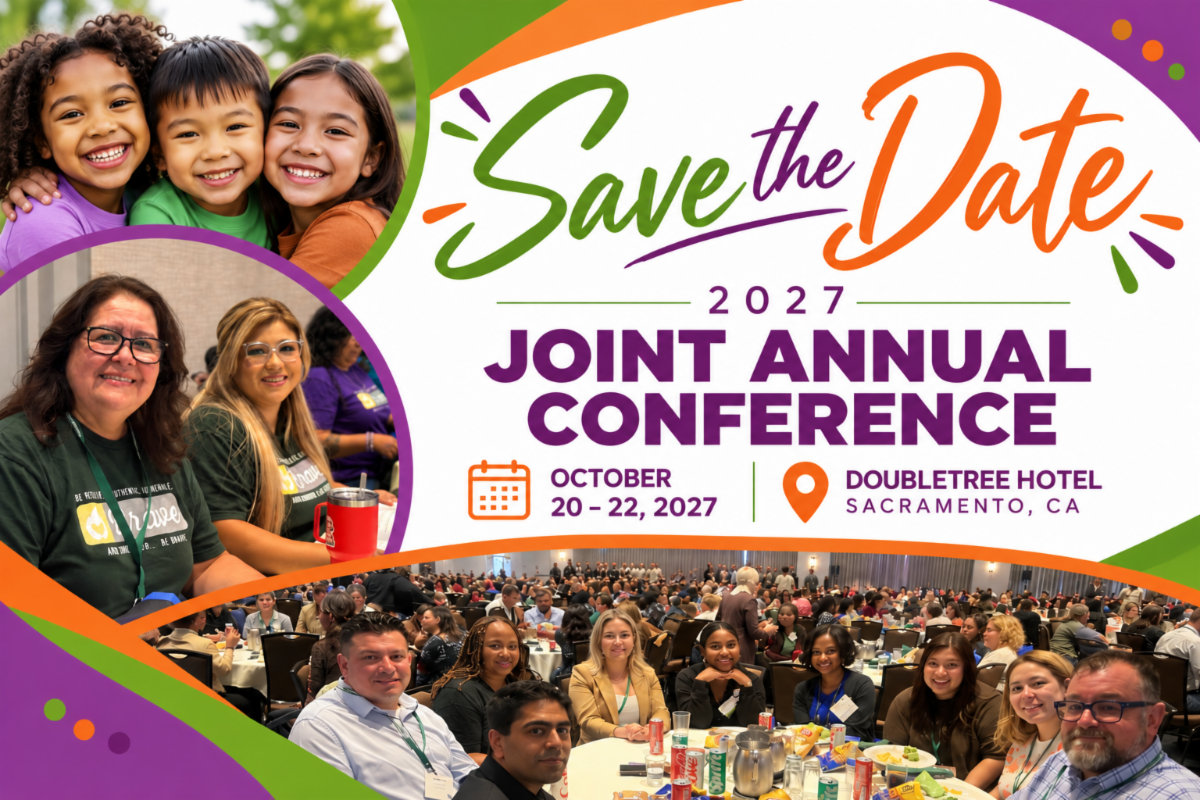
Mark your calendars! Next year's conference is on October 20-22, 2027!
We are excited to announce that the 2027 Joint Annual Conference will return to the DoubleTree Hotel Sacramento! We look forward to building on this year's momentum and bringing our community together again for another opportunity to learn, connect, and inspire one another. Stay tuned for more details in the coming months!
| | Click above to watch a video of the conference! | |
ICYMI: California State Workers Plan October 21 Strike
SEIU Local 1000 has announced a one-day statewide strike scheduled for Wednesday, October 21, 2026, involving state employees across multiple departments, potentially including the California Department of Social Services (CDSS).
The planned work stoppage could result in temporary disruptions or delays in state operations, including responses to contractor inquiries, contract administration, and other CDSS-related activities.
Child care contractors and community-based organizations are encouraged to plan accordingly, particularly for time-sensitive requests, approvals, and communications with CDSS.
TFC will continue monitoring developments and share relevant updates as information becomes available.
| |
Thank You to Our Generous 2024-25 Thriving Families CA Foundation Champions!
Thank you to the following Champions who stepped up in 2024-25, with funding to enhance our ability to serve the field. These agencies have made it possible for TFC to support our field with more tailored support of individual organizations, ability to pay for legal, advocacy and social media supports, enhanced regional trainings, improving data collection, and more.
| | | | |