Second Lecture

Slavery and Freedom in Northampton

and in the Colonial North:

A Four-Part Lecture Series

Graphic Silhouettes of Hannah, her baby, and Mingo (Design Division, 2025)

Of Bondage and Isolation: Meditations on the Lives of Black Women Enslaved in the Pioneer Valley


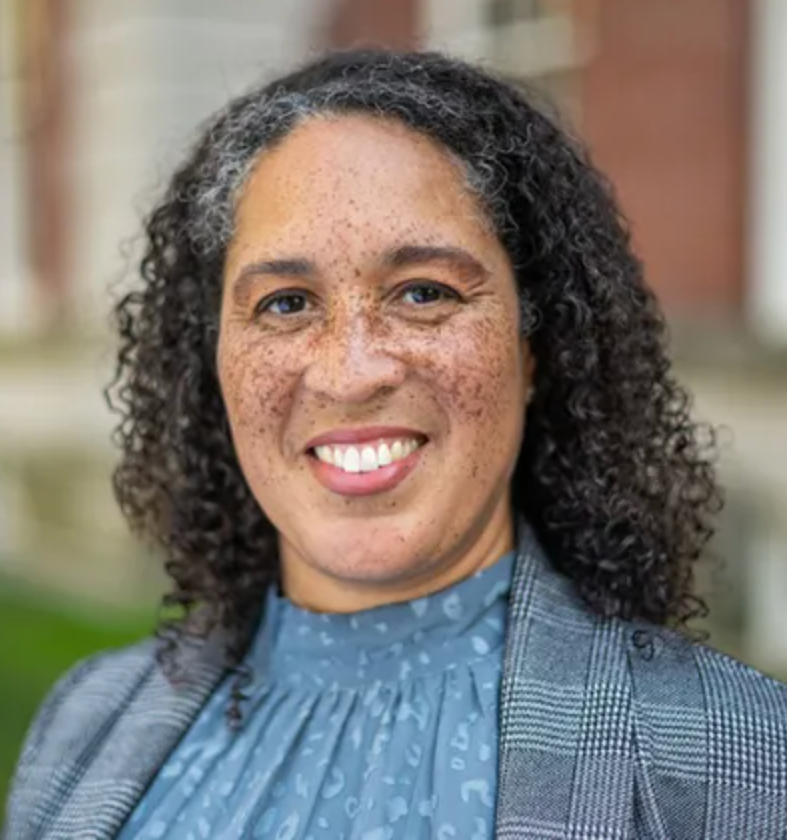
Dr. Jennifer DeClue, Smith College

Tuesday, February 18, 2025

7 pm on Zoom

The names of Black women enslaved by the powerful men remembered in history as “River Gods” can be found in their diaries, account books, wills, probate inventories, and church records. These records do the good work of offering confirmation that John Stoddard owned a woman called Elizabeth; that Jonathan Edwards owned Leah and Rose and Venus; that the Dwight family owned Sylvia Church; and that the Phelps family owned Peg and Rose and Phillis and Rose's daughter Phillis.


Smith College professor Jennifer DeClue will discuss how these archival records make incontrovertible the fact of slavery’s violent history in the valley, but leave many questions unanswered. Dr. DeClue will work to paint a clearer picture of what life might have been like for Black women enslaved here, in the long years before abolition would unfold in Massachusetts.


The presentation will be moderated by Gina Nortonsmith, archivist, African American History, Archives and Special Collections at Northeastern University and Historic Northampton board member.

Dr. Jennifer DeClue

Dr. Jennifer DeClue is Associate Professor in The Program for the Study of Women and Gender at Smith College. She is a queer studies scholar who specializes in Black feminism, gender and chattel slavery, queer of color critique, film studies, popular culture, and the avant-garde.


As a fellow of the Slavery North Initiative, she is currently writing a book titled, Enslaved in New England: Black Women and the Afterlife of Northern Bondage. 

Register
 

Click here to learn more about the

Northampton Slavery Research Project


Upcoming Lectures in the Series

More information and registration will be forthcoming.

All are virtual presentations on Zoom.

Wednesday, March 19, 2025 at 7 pm

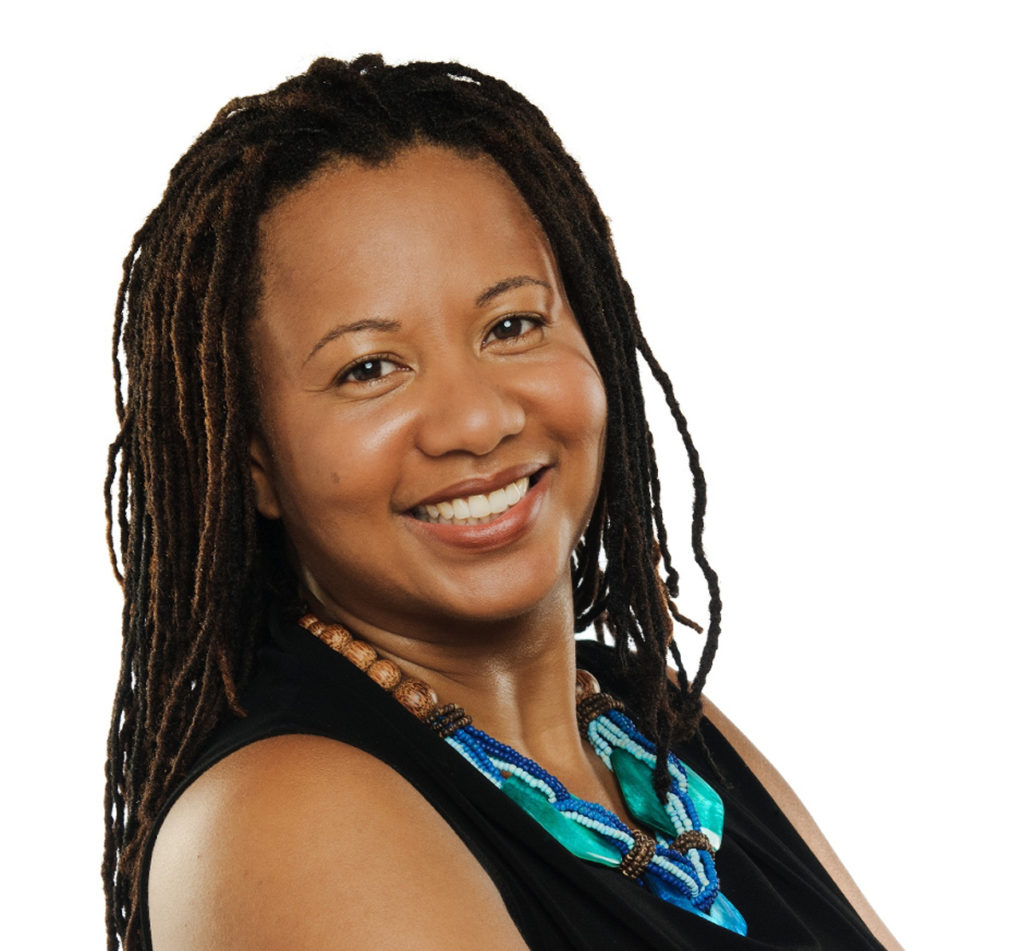
Dr. Charmaine A. Nelson

Dr. Charmaine A. Nelson

Dr. Charmaine A. Nelson is a Provost Professor of Art History at the University of Massachusetts Amherst and the founding Director of the Slavery North Initiative which supports research and research creation on the study of Canadian Slavery and slavery in the American North. Prior to this appointment in 2022, she was a Professor of Art History and a Tier I Canada Research Chair in Black Diasporic Art and Community Engagement at NSCAD University in Halifax, Canada (2020-2022) where she founded the Institute for the Study of Canadian Slavery, the first-ever research center focused on the overlooked 200-year history of Canadian participation in Transatlantic Slavery. 

Thursday, April 10, 2025 at 7 pm (rescheduled from January 30)

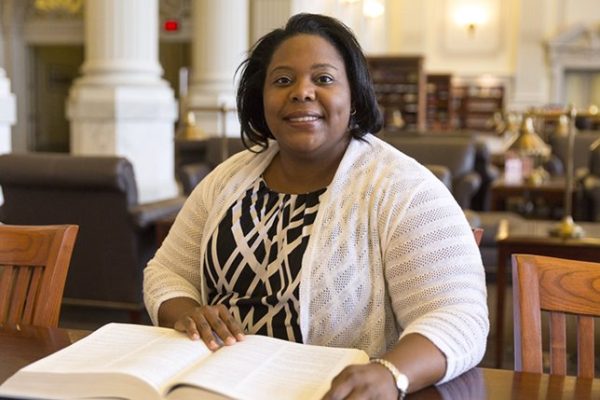
Dr. Christy Clark-Pujara

Dr. Christy Clark-Pujara

Living and Laboring in the Business of Slavery in Rhode Island


The Business of slavery—specifically the buying and selling of people, food, and goods—shaped the experience of slavery, the process of emancipation, and the realities of Black freedom in Rhode Island from the colonial period through the American Civil War. In the colonial period, Rhode Islanders dominated the American trade in African slaves and provided the slave-labor-dependent West Indies with basic necessities. In the post-colonial period, as slavery was legally dismantled, Rhode Islanders became the leading producers of slave clothing. Black people resisted their bondage, fought for their freedom, and strove to build a community in a racially hostile colony and state; their assertions of humanity shaped Rhode Island society, politics, and economy. The erasure of this history has allowed for a dangerous myth—that the North has no history of racism to overcome and that white northerners had no substantive investments in race-based slavery.

Graphic Silhouette of Hannah, her baby, and Mingo (Design Division, 2025).

In 1692, Hannah was unmarried and enslaved in Northampton. She bore a child, and in court she named Mingo as the father. The court called their act a “heinous crime against the light of nature” and sentenced both Hannah and Mingo to 15 lashes. Their baby was born into slavery. The court decided that Samuel Parsons (Mingo’s enslaver) and Timothy Baker (Hannah’s enslaver) would be “joint + equal in charge of the child” until the child was nine years old. At age nine, either Parsons or Baker could buy out the other for the value of the child or they could arrange to jointly own him. In this case, the child’s wages if hired out, or the child’s value if sold, would be “divided betwixt them.”

In partnership with the

Northampton Reparations Study Commission


HISTORIC NORTHAMPTON

46 Bridge Street Northampton, MA 01060

info@historicnorthampton.org | 413-584-6011


www.historicnorthampton.org