Here’s a fascinating look at how artificial intelligence can help support children’s reading skills. 
Quotable & Notable
“Here we are, in 2021, after a year where millions of women have been forced to or have made the difficult decision to leave the workforce – often because they lacked the capacity to truly fulfill all of the care demands placed on them... It is an inescapable economic reality in this country that many parents must work. It is also true that many parents want to work – including moms! Almost 70% of children in America have all available parents in the workforce. Why, then, is it acceptable for these people – mostly men – to publicly shame and demonize the choices women make for themselves and their families by condemning child care, which is literally essential to working parents’ ability to work?” 
who:
Sarah Rittling, Executive Director of First Five Years Fund

where:

Fact of the Week
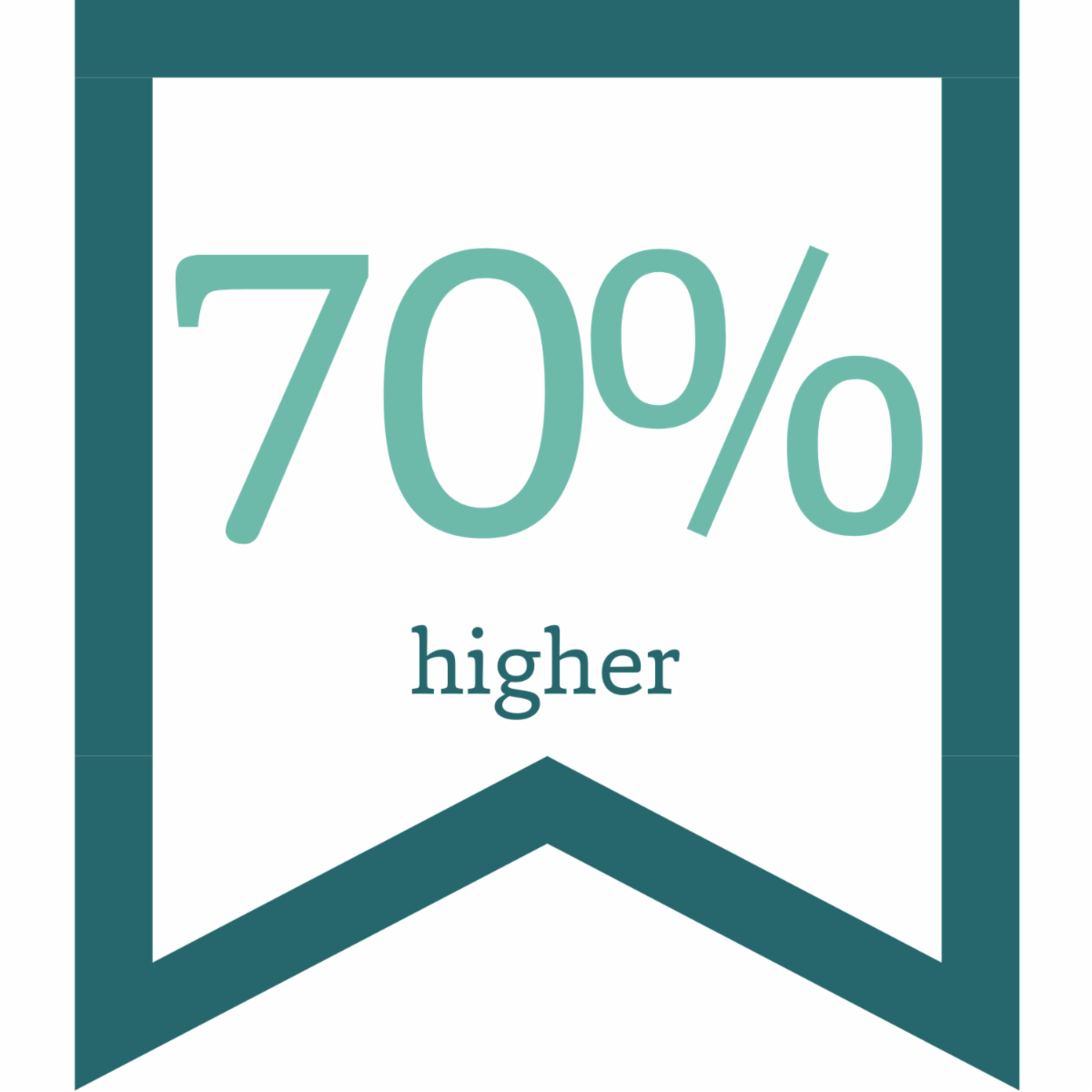
A national study on teacher turnover rates in child care centers found that turnover could be predicted based on the wages paid by the center. The study found that the lowest-paying centers (about $8 an hour) had turnover rates 70% higher than all other centers (about $16.73 an hour). 
Policy Radar
The Ohio legislature is currently in final negotiations on the biennial budget bill that sets forth appropriations and priorities for the next biennium. Among policy proposals under discussion is one that would remove the state’s requirement for the Step Up to Quality rating system for child care providers. Read the Crane and Schoenbaum Centers’ statement on this here. 
Events & Happenings
Join the Hunt Institute on Tuesday, July 6th at 2 pm for “Infusing Equity Across State Early Childhood Systems”. This webinar will feature state early childhood leaders who will highlight strategies taken to infuse equitable practices across early childhood state education systems. 
Beyond the Buckeye State
Texas educators are pushing to keep the “science of reading” approach, a stricter regimen of skill building and “steps to connect the parts of the brain involved in reading.” As explained here, Zoom learning environments were amenable to a more structured approach to reading. 
 
In response to calls from the state’s child care sector, California lawmakers proposed a new early learning and care package. It includes $1.5 billion to double the number of subsidized care slots proposed by Gov. Newsom, and $1.1 billion towards rate reform. The rate reform is intended to address the fact that California pays for subsidized child care in two different ways; some centers have contracts with the state and receive a flat rate for each child enrolled, while centers without contracts are paid based on regional costs.  
 
The 74 Million has case studies on how 11 states are using federal emergency funds to improve college and career access. 
What We're Reading
This opinion piece argues that increased access to early childhood education could reduce the prevalence of mental illness in adults. Along similar lines, The Hechinger Report discusses the pandemic’s impact on the mental health of children, adolescents and teens, who have struggled more emotionally during the pandemic than any other age group. As students return to school in the fall, school mental health supports may be overburdened due to a lack of school mental health providers. 
 
This Hechinger Report piece explores how racial battle fatigue is affecting Black teachers after over a year of a pandemic and the countless incidents of racial violence. 
 
The Rapid Assessment of Pandemic Impact on Development Early Childhood Household Survey Project (RAPID-EC) from the University of Oregon is an ongoing national survey to collect information on the well-being of children ages 0-5 and families during the pandemic to provide actionable data to policy makers. Researchers affiliated with the project have shared several articles about their findings from the last year. 
Research Round Up
According to new research from studies conducted in the United Kingdom and in Italy, online tutoring programs deployed during the pandemic had positive impacts on students’ class attendance, behaviors, test scores, and even self-efficacy. Tutoring has earned attention as a possible strategy to mitigate learning loss resulting from the COVID-19 pandemic.  
 
This report from the National Institute for Early Education Research (NIEER) offers a case study of four state offices of early learning, which vary dramatically in how they are governed, organized, and able to support learning outcomes for young children in their respective locales. It concludes with lessons learned about how they can be structured effectively. 
This edition written by: Jamie Davies O'Leary, Associate Director of Policy and Caitlin Lennon, Communications & Policy Specialist
• • • • • • •
If you like this newsletter, forward to a friend! Subscribe here.
• • • • • • •