International Foundation for Gastrointestinal Disorders
October 2021 eNewsletter
|
|
|
Greetings!
October is Health Literacy Month. When living with a chronic gastrointestinal (GI) disorder, being health literate often means that you can be your own researcher and become knowledgeable about symptoms, diagnosis, and treatments that are available for your condition.
Increasing public knowledge surrounding chronic GI disorders is important not only this month but every month. We encourage you to join us and share the resources that you use to learn more about your GI disorder.
|
|
Hirschsprung’s disease is a rare condition that people are usually born with and occurs in 1 of every 5,000 births.
Children with Hirschsprung's disease are missing the nerve cells (ganglion cells) within the wall of their colon or rectum.
These cells are responsible for the normal wave-like motion of the bowel (peristalsis). When they are missing, the stool stops, and an obstruction occurs.
Click the button below for answers to ten frequently asked questions about Hirschsprung's.
|
|
Probiotics are the same as or similar to microorganisms found naturally in the body. This has helped spark a growing interest in finding out if probiotics can be used to help relieve GI symptoms.
Also referred to as “good bacteria” or “helpful bacteria,” probiotics are available in many forms. Knowing what oral products, supplements, or foods are best for you and your GI condition can be very challenging to figure out on your own.
In July, we were joined by lead host Samina Qureshi, RDN LD, for our monthly #DDHChat on Twitter. We discussed how probiotics might help reduce GI symptoms and promote gut health.
Click the button below to read the recap of our July #DDHChat.
|
|
|
|
We invite you to attend the inaugural 2021 Ally Award Gala to celebrate both nominees and winners of the 2021 IFFGD Ally Award.
The Award Gala will be held virtually on October 15th, 2021, at 6:00 p.m. EST.
The IFFGD Ally Award is an award to recognize those who go above and beyond to support and ensure the needs of an individual within the gastrointestinal (GI) community are met. We will recognize individuals nominated for IFFGD's 2021 Ally Award and announce the winners during the Ally Award Virtual Gala.
|
|
Don’t miss the free virtual program offering 35 sessions and featuring 21 GI healthcare experts from around the world.
The NES Event: IFFGD’s 30th Anniversary Pediatric Edition will be released to registrants on November 7, 2021. The program will include 15 pre-recorded video sessions presented by patients, caregivers, and pediatric GI healthcare experts from around the world. The presentations will provide education and insight for parents, caregivers, family, and patients living with a chronic GI disorder.
Click here to register, review both NES event agendas, and read speaker bios.
|
|
As information becomes increasingly available online, more and more people turn to the internet to answer their health questions.
A report by the Pew Research Center revealed that adults in the United States use online resources, including search engines and social networks, as significant sources of information about symptoms, treatments, and support.
Knowing what resources are reliable and up-to-date can be challenging.
Click the button below to learn more.
|
|
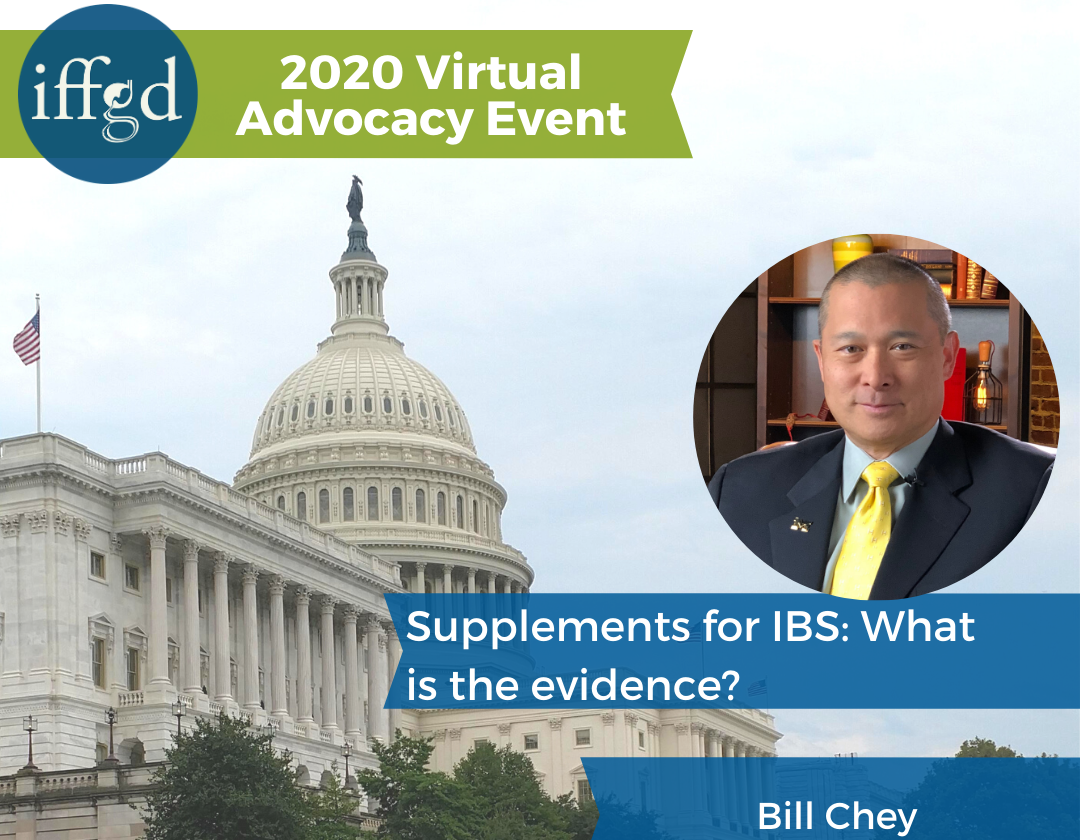
Irritable bowel syndrome (IBS) is the most common functional GI disorder, with worldwide prevalence rates ranging between 10–15%.
For many patients, IBS can be very unpredictable. The symptoms of IBS are abdominal pain or discomfort and altered bowel habit (chronic or recurrent diarrhea, constipation, or both – either mixed or in alternation).
Treatments are available for IBS to help manage these symptoms. However, there are many different approaches to treating IBS symptoms.
Click the button below to learn about the role of supplements for IBS from Dr. William Chey from the University of Michigan.
|
|
Clinical trials and research studies help to improve our understanding of the underlying mechanisms of diseases and advance the development of new and better treatment options. By participating in a study, you can help further the advancement of research and learn more about your condition.
Here are 3 studies currently recruiting participants:
|
|
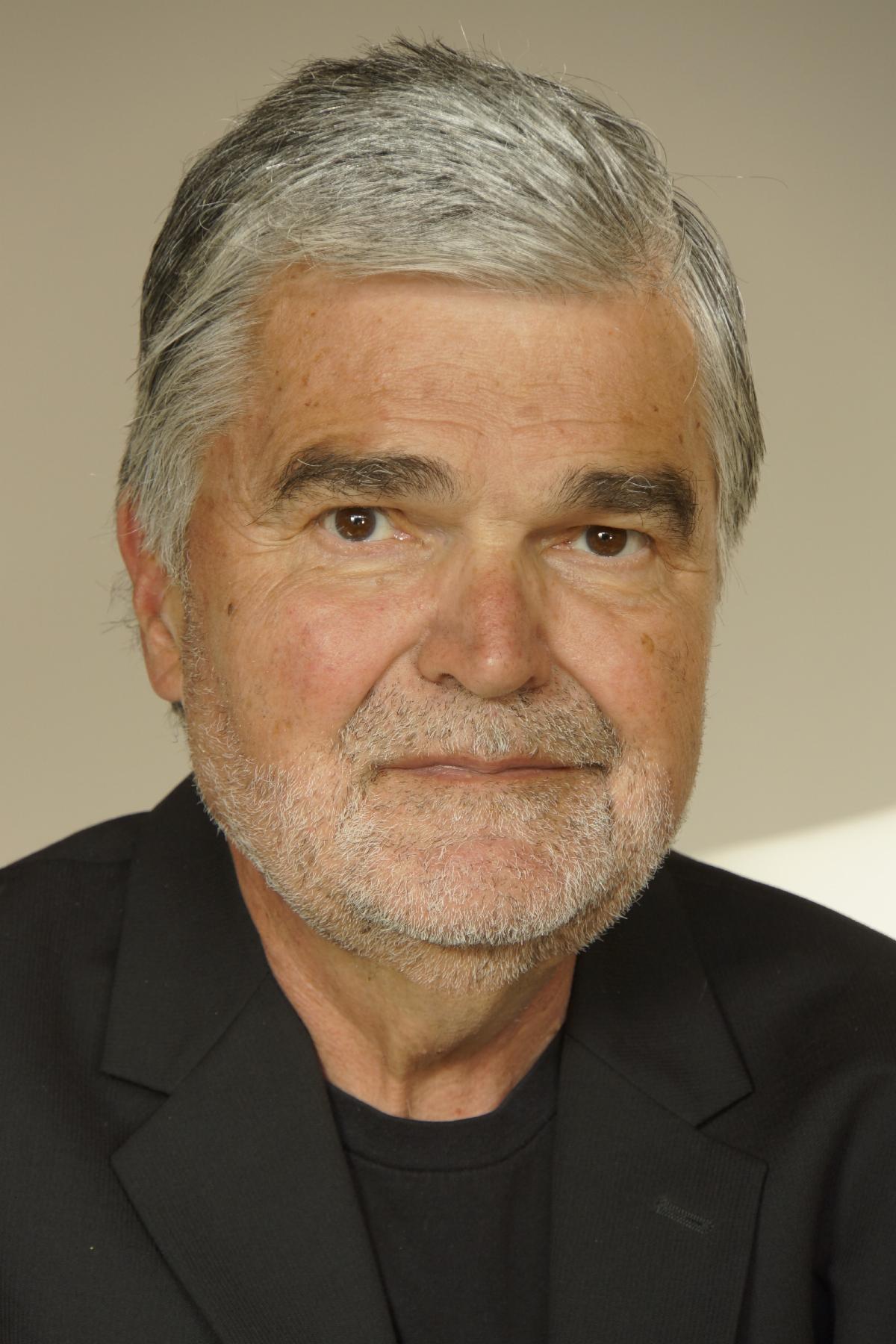
IFFGD has an Advisory Board made up of 60 medical professionals from various disciplines representing the USA and ten other countries. Many of these individuals are noted experts in the field of functional gastrointestinal disorders. This month we would like to recognize our new advisory board member, Dr. Emeran Mayer.
Dr. Mayer is a Distinguished Research Professor in the Department of Medicine at the David Geffen School of Medicine at UCLA, Executive Director of the G Oppenheimer Center for Neurobiology of Stress & Resilience, and Founding Director of the UCLA Brain Gut Microbiome Center.
He has been one of the pioneers in the science and practice of brain-gut microbiome interactions with applications in a wide range of diseases in gastrointestinal, psychiatric, and neurological disorders. He has published more than 385 scientific papers and co-edited 3 scientific books. He is the recipient of the 2016 David McLean award from the American Psychosomatic Society and the 2017 Ismar Boas Medal from the German Society of Gastroenterology and Metabolic Disease. His current research interest is focused on the role of brain-gut microbiome interactions in human diseases, including Alzheimer’s and Parkinson’s disease, autism spectrum disorders, obesity, and inflammatory bowel disease.
|
|
|
In addition to his academic interests, Mayer has a longstanding interest in ancient healing traditions and affords them a level of respect rarely found in Western Medicine. He has been involved in documentary film productions about the Yanomami people in the Orinoco region of Venezuela and the Asmat people in Irian Jaya. He has recently co-produced the award-winning documentary “In Search of Balance” and is working on a new documentary, “Interconnected Planet.” He is a strong believer in Buddhist philosophy, was a member of the UCLA Zen Center for several years, and was married in a Tibetan monastery by Choekyi Nyima Rinpoche in Kathmandu. He regularly pursues meditative practices.
Dr. Emeran Mayer also participated in this year's IFFGD Research Award Winner Series: Where Are They Now? Click here to watch his interview on brain-gut interactions and much more.
|
|
IFFGD is a nonprofit organization. We rely on donor support to fund research and to provide reliable information and support to those affected by chronic gastrointestinal disorders.
|
|
|
|
|
|
|