|
FAQ for Enso Apartments at Rethke Ave
Who is eligible to be a resident of Enso? Can anyone apply or do they only pull from the Coordinated Entry list?
There are 3 types of units at Enso, and each have different criteria for who can occupy them.
- Two thirds of the units are filled with referrals from the Coordinated Entry list.
- At Risk: Anyone who is “at risk” of homelessness can apply for these. This means someone who is couch surfing, staying in hotels, their current lease is ending, etc. Income must be less than or equal to 50% of the area median income. Property Management is currently working off of an interest list to fill these units.
- LIHTC: (Low Income Housing Tax Credit): Annual income must be less than or equal to 50% of area median income. Income must also be equal to or greater than twice one month’s rent. Individuals can use a Housing Choice Voucher for these units. Property management is currently working off of an interest list for these units.
Who is the target population?
The primary target population is individuals who are homeless, chronically homeless, or at risk of homelessness.
How are the criteria and services different than Rethke?
The unit breakdown is different and no longer requires that a certain number of units go specifically to people receiving VA services. Ownership has changed and is more involved and supportive now. There is also more support from Property Management, making advocacy efforts more attainable.
Is Enso low income housing or county supported placement?
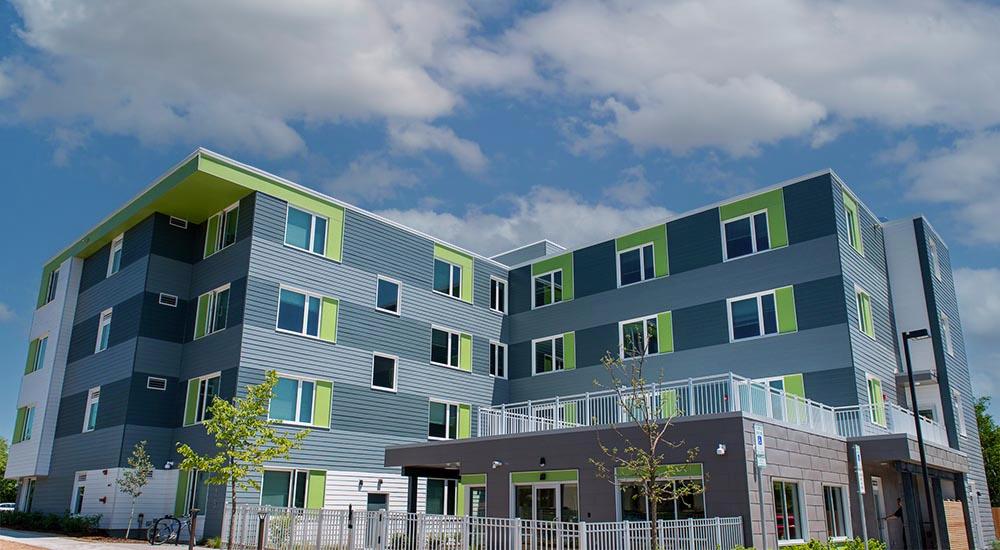
Enso is not a county supported placement like a group home or AFH. It is an apartment building with integrated supportive services. Rent is based on the individual’s income but can be covered entirely or in part by a Project Based Voucher from the Community Development Authority or Dane County Housing Authority. Case Management is available on site, and residents are encouraged to utilize Supportive Services, but it is not required.
How do you become a resident? Where do you make a referral? Who decides and how?
Most people are referred to Enso through the Coordinated Entry list. LIHTC and At-Risk apartments are filled using an interest list. To be added to the interest list, send name and contact information to ensosupport@tellurian.org.
Do people who live there have to receive services?
It is not required that residents engage with Supportive Services, but it is highly encouraged. Working with Supportive Services allows case managers to better advocate for residents if they encounter issues within the building
Where can we find out information about Enso such as applications and contact information?
Applications are done in person with property management – they are not available online. Contact ensosupport@tellurian.org with more questions.
What kinds of services are available on site and when? What does on site support look like?
Supportive Services staff are generally onsite 8:30am – 4:30pm, Monday – Friday. Some of the most common services they provide are:
- Assistance accessing the food pantry and other community resources
- Connection to physical and mental health providers
- Connection to substance use treatment
- Developing skills to maintain housing
- Housing advocacy
- Building positive community at Enso with weekly community meals, volunteer-run weekly coffee hour, monthly ice cream socials and more!
What if something happens outside of service hours?
Residents can contact the property manager in the event of an emergency. Tellurian also provides residents with an after-hours phone number that can be used to reach Tellurian case managers, to provide phone support for individuals in behavioral health crisis. Additionally, Tellurian has an Evening Community Support Specialist who works some nights and weekends to support residents as needed.
Is someone there permanently or is there a time limit?
There is no limit to how long residents can live at Enso, as long as residents remain in good standing with Property Management.
What types of security measures are being implemented to protect staff and residents alike?
The building is equipped with security cameras and is locked 24/7. The building is only accessible by a key fob, which individuals receive upon signing their lease. Each floor is only accessible, via fob, to residents who live on that floor. Additionally, we have an Evening Community Support Specialist who works some nights and weekends to guide unwanted guests toward alternative resources and support Enso’s guest policy. All Enso staff work closely with MPD and Community Officer to address any ongoing security concerns.
What is the best way to collaborate with Enso staff if there is a shared client living there?
Each resident is assigned an onsite Supportive Services case manager upon move in. We request residents sign a Release of Information that will allow us to work with their other providers. This collaboration depends on the needs of the client and the services provided by other team members. They strive to work as collaboratively as possible with all clients and providers to best support each resident. They try to have a meeting with each resident and their team upon or prior to move in to determine how we can best provide support and work within an existing team.
Can someone receive Enso services if they already have case management or other services in place?
Yes. This varies depending on the individual’s needs and what their other services entail. Enso does not want to duplicate services but can help supplement.
Are they CCS providers?
Yes, case managers at Enso are both CCS Service Facilitators and Array Providers
Is it true if someone stays for a year they get a movable housing voucher?
After one year, if a person remains in good standing with Property Management, they are eligible for a Housing Choice Voucher through the Housing Authority that held the original voucher.
Why do most folks get denied on the first application? What is the root or matrix for having people evicted?
Denials and evictions fall under the purview of Property Management. Supportive Services can help advocate when individuals need to appeal a denial or are at risk of eviction. Most denials are due to criminal background or history of eviction – this can often be overturned through an appeal, depending on the severity of the crime or how recent. Evictions from Enso can happen when individuals fail to pay rent, cause property damage, or cause harm or risk of harm to other residents.
|