A Message from the Executive Director |
There are over 503,000 American Indians and Alaskan Natives today who strive each day, weeks and months to ensure that all they have learned and experienced are passed onto the next generation of tribal elders — today’s tribal youths. What our elders know and retain in their memories are stories, customs and tribal traditions. This is the value of our elders, and the National Indian Council on Aging has been at the forefront of this quest for cultural continuity — or rather the survival of the 574 plus tribes in the United States for the last four and half decades.
When President Nixon signed the Indian Self-Determination and Tribal Self-Governance (P.L. 93-638) in 1975, tribal elders saw in this legislation an opportunity to truly exercise self-determination. We want, they said, to be able to develop and administer our own programs with funds coming directly from the federal government. This took the form of Title VI of the Older Americans Act, a law that signed by President Carter in 1978, a few months ahead of the Indian Child Welfare Act. This year will be the 24th year of both laws — ironic and coincidental in that each Act viewed these two ends of the age spectrum as requiring special treatment. The youth being the future continuity of tribes; the elderly the walking encyclopedias of their tribes’ language, culture, history and traditions, which is critical to the continuity of tribes. They are both of equal importance to the continued existence and survival of tribes.
It is time that our elders are protected in the same manner as our youth. The pandemic reminded us how important our elders are to tribes — wrapping a protective covering around them, meals delivered, reaching out to isolated elders, and prioritizing the vaccine for elders who still spoke the tribal language. Concurrently, there are many tribal elders who are in long-term care facilities in urban or off-reservation communities. With only 22 long-term care facilities on Indian reservations, there will come a time when the need further increases to protect the elders who are in off-reservation long-term care facilities — bringing them home and placing them in culturally sensitive facilities in their own communities.
With the growing prospect of an increasing number of American Indian and Alaska Natives being diagnosed with Alzheimer’s disease and related dementia in the near future — estimates are one in three within the next decade — we cannot wait for this health issue and have it catch us flatfooted. We need tribal leaders, elders, youth and tribal communities to help us meet this matter proactively.
NICOA needs your advocacy and support on these and a myriad of other issues. If we value and respect our elders as we say we do, then we all need to be together on this issue. We pray for our elders, our tribal leaders and the frontline workers who make the lives of our elders meaningful in the twilight of their lives.
Larry Curley
Executive Director
|
|
|
|
Read/Listen to the Latest Interviews About $4 Million Donation |
|
|
|
IA2 Research Study Results from NICOA Conference |
The survey revealed that the top three ways people usually get health information was from the doctor’s office, online, newspaper or tribal newsletter. The best ways to provide information about dementia, Alzheimer’s, or brain health to elders and their families was community education through senior services, flyers and brochures, and the doctor’s office.
The survey also asked what makes it hard to access available resources. The answers were transportation and no formal diagnosis. Those surveyed expressed that they were the least satisfied with their ability to access respite care for caregivers, support groups with people from similar cultural backgrounds, and community events for people living with dementia.
|
|
|
|
Unemployment rates continue to be very low and jobs are abundant! The pandemic has changed the look of employment across our country and many companies have gone remote. However, have you recently gone out to eat, stayed at a hotel or gone to a movie? The service industry has taken one of the biggest tolls.
People still want to go out and enjoy themselves for a fine meal or a good movie, but few want to work out in the community. You can now purchase your movie tickets online and have reserved seating, and because housekeepers are hard to get, you now have to ask to have your room cleaned. This is the new normal.
Yet, I still see people out begging for money on the streets, when they can walk across the street to the local McDonalds and get a job starting at $15 per hour, along with a sign-on bonus! Why is this happening? Let’s take a look at the older, largest population, the baby boomers.
Baby boomers are older, making them higher risk of severe illness and death from COVID-19. Many have opted to opted to start drawing Social Security and live off their nest egg instead of taking a risk at work, economists said. Grandparents may have also offered to watch their grandkids and ease childcare duties for working parents, since daycare is also very hard to find.
Wages for leisure and hospitality are up 11 percent across the country, due to the demand for labor. But higher pay may still not be enough to attract workers from the sidelines. So why aren’t people coming back to work?
Greg lacurci, from CNBC, says, “it will take time to work out some of the frictions that have built up in the labor market in the past year and a half, according to economists.”
He goes on to state, “during the pandemic, jobless workers have had ample time during the pandemic to reassess their working lives and what they want from a job” and many opt to switch careers. Many workers now want the option of working from home, and many employers are working to get them back into the office. Now is the prime opportunity for the older worker who WANTS to work to find employment!
The Senior Community Service Employment Program (SCSEP) works with the mature worker to learn new skills and get them back into the workforce. NICOA’s SCSEP team provides services to the states of Arizona, Minnesota, New Mexico, North Dakota, Oklahoma, South Dakota and Wisconsin. However, it is a program being provided nationally by many other service providers.
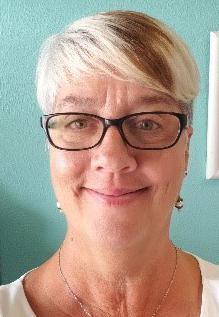
Sue Chapman
SCSEP Director
|
|
|
|
NICOA Announces Partnership to Offer GetSetUp Classes in SCSEP |
This partnership provides our SCSEP participants with live interactive classes on GetSetUp covering a range of topics like technology and how to use the software used by many companies so qualifying job seekers age 55 and over can gain the skills needed to re-enter the workforce.
GetSetUp helps address the first mile of digital technology by explaining how to use devices from smartphones to tablets and goes on to teach best practices for using work tools like Zoom, the Google and Microsoft Suites, and more. All classes are taught live by experts who are elders themselves. Each NICOA SCSEP participant will start with an orientation and classes on Zoom and using their device. From there they take curated classes specifically selected for SCSEP participants.
|
|
|
|
SCSEP Shows It’s Never Too Late For Elder Job Seekers |
Colleen Teske spent a full year applying for work without success. The North Dakota resident had spent many years as a residential treatment advisor at the Dakota Boys and Girls Ranch Safe Home and nearly a decade as a shelter manager at the YWCA, yet could not find employment until she discovered the National Indian Council on Aging’s (NICOA) Senior Community Service Program (SCSEP). According to a poll by AARP, 78 percent of elder workers say they have seen or experienced age discrimination in the workplace. And yet two-thirds of elder workers are still open to learning new skills to stay competitive in the job market.
“At NICOA we believe there is no reason why someone cannot start a new career at 60. In fact, some statistics would suggest that we are most productive from ages 60 to 70. What employer would not want to benefit from the unparalleled experience, productivity and loyalty our elders provide?” said Sarah Piersol, program manager for SCSEP in North Dakota.
Piersol has had the opportunity to work with Teske for over two years. “I have attended job fairs with Colleen and witnessed how employers reacted to her age and overlooked her experience. The employers who were interested only wanted to bring her in as an entry level employee,” she said.
|
|
|
|
SCSEP Training Courses Help Participants Succeed |
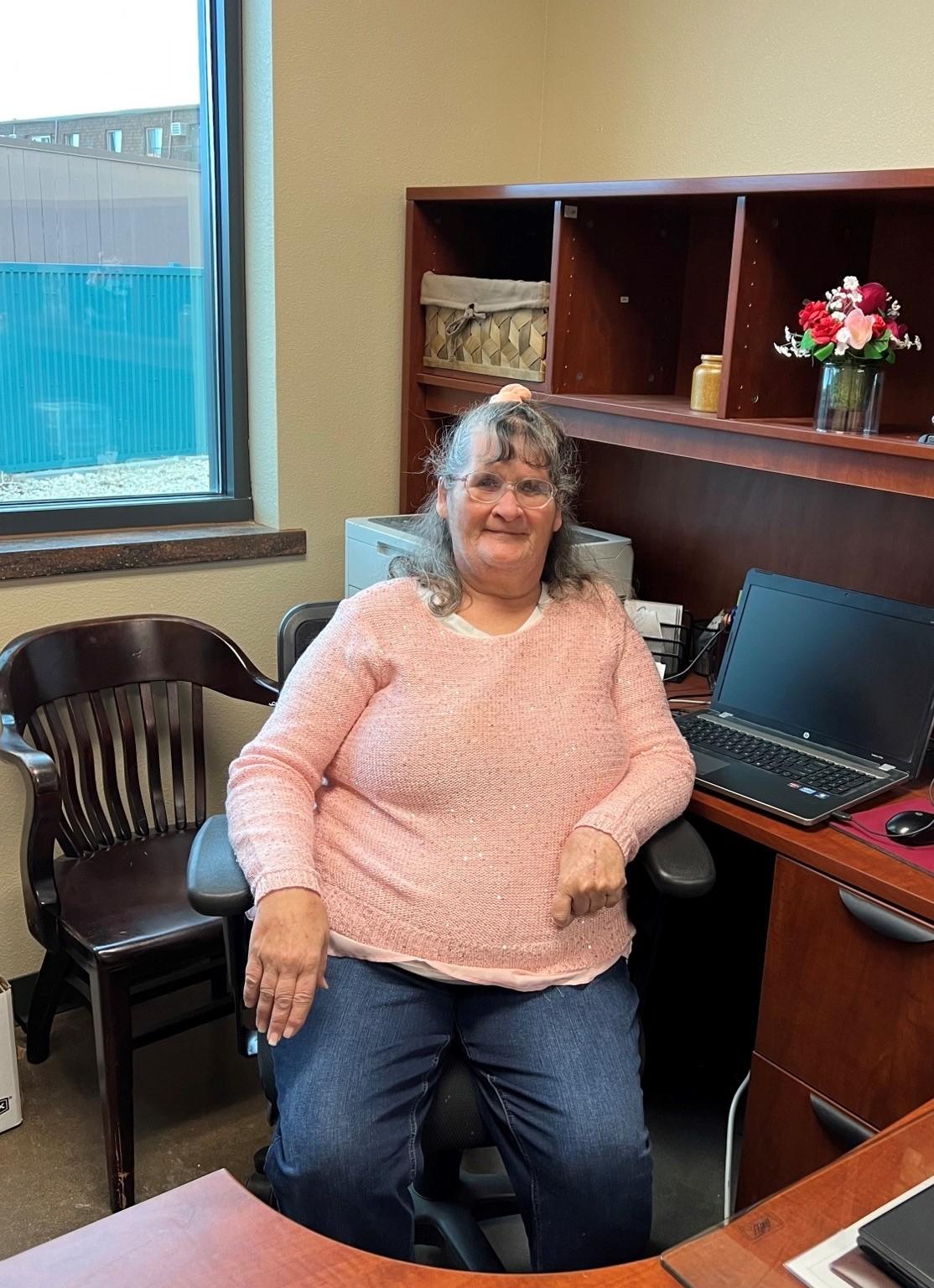
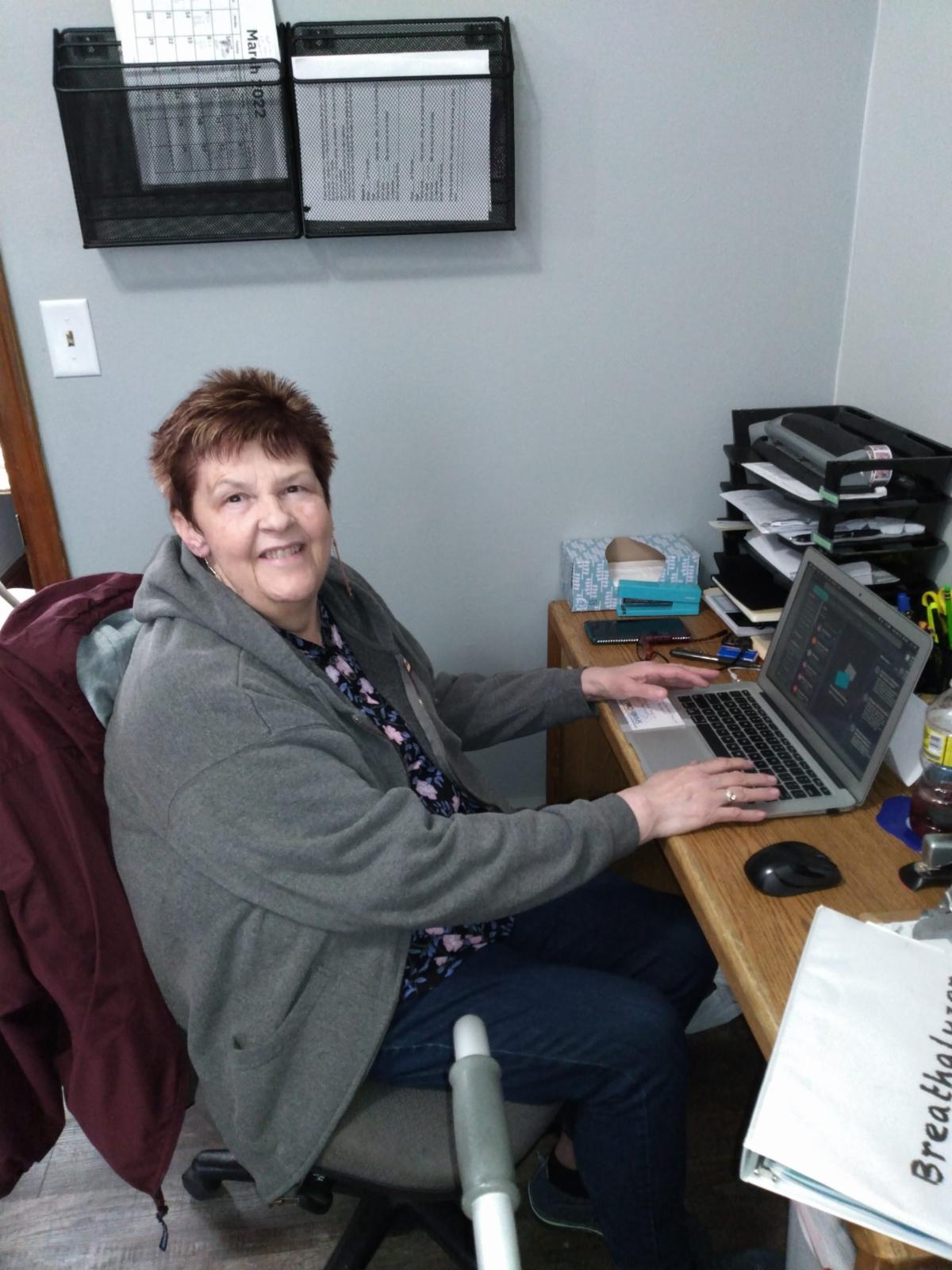
Sandy Simon joined NICOA’s Senior Community Service Employment Program (SCSEP) last year and is currently training at The Arc of Dickinson in North Dakota. When Sandy started her training, she had no computer skills. She recently had back surgery and was concerned about not having enough paid hours. Once she was trained on a computer course, she was able to sign in and learn how to navigate the website. Now Sandy has logged over 55 hours of courses completed on the computer.
She also learned how to enter her hours into an app on her smartphone, and even taught other participants at her host agency how to put their hours into the work computer.
|
|
|
|
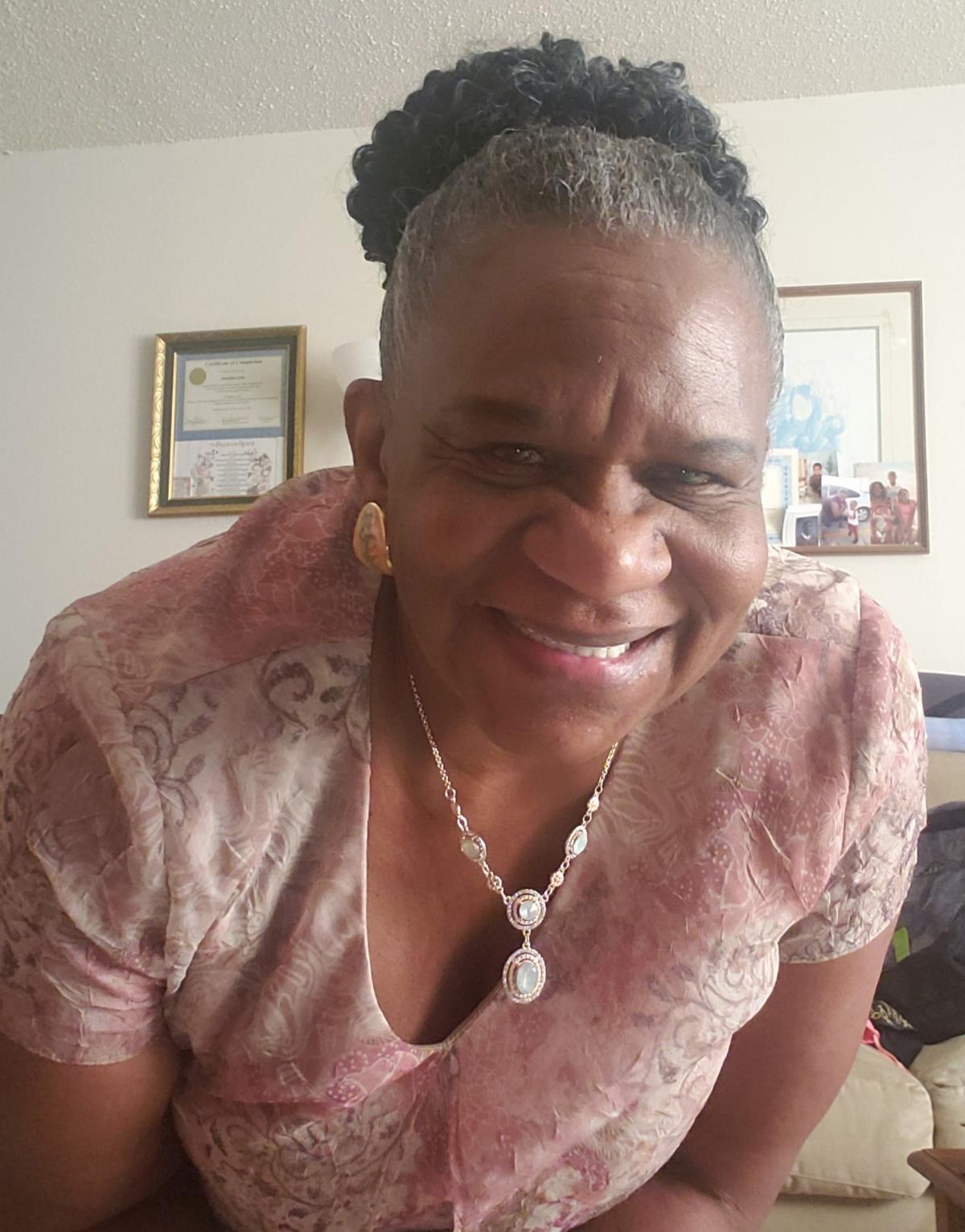
Deb Brych started NICOA’s SCSEP after getting hurt. She didn’t have any experience with computers and was scared to use them. She has since mastered many of the online courses offered and trains at the Welcome House, a local homeless shelter in Bismarck, North Dakota.
She enjoys her training and does the online courses as often as she can. She has finished well over 50 courses so far and is still going strong. She now has the confidence to do office work involving computers.
|
|
|
|
“When I applied to this program, I felt defeated. The job-hunting process has changed so much from the earlier years. Beginning with my very first host site to the last one, the things I learned were invaluable. This program teaches self-worth for the aging population that still wants to work,” said NICOA SCSEP participant Jacqueline Lewis. “The staff will listen to your concerns and guide you in the best direction. They provide workshops and interview techniques along with the on-site training to better prepare you to re-enter the workforce. This program is a confidence-builder that at 55 and over you can step out and succeed. I am now employed full-time thanks to this program. If you have barriers to employment start here for help in overcoming them and success in job search.” |
|
|
|
Retired workers are re-entering the workforce in high numbers — the SCSEP wants to boost it even more |
Jay Meier, a job developer with National Indian Council on Aging (NICOA), helps run the state’s Senior Community Service Employment Program (SCSEP). He said COVID-19 has played a large role in the shake-up of the workforce in the past couple of years. However, sometimes the pandemic can also play a part in convincing retirees to stay retired.
“The older workers that I'm working with, they're starting to look at that again (going out into the workforce),” Meier said. “But because of their age, they're a little bit more tentative than a younger worker to go back out and be in an environment where there's a lot of people.”
Meier is currently “criss-crossing” North Dakota to inform workforce and job centers of what the NCSEP is and the people within it looking for employment. In the NCSEP, retirees aged 55 and older looking to re-enter the workforce enroll and join a training program for two to four years. The program currently has about 100 participants.
“Our job is to get them out in unsubsidized employment,” Meier said. “So basically, it’s any job in the community. One of the things that I really want to make sure that I express is this program, we're the National Indian Council on Aging. ... But anybody can be in this. You don't have to be Native American. You don’t have to be Indian or Alaskan or anything like that.”
Some of them don’t need much training, either.
“For example, in Fargo right now, we have a guy that's pretty good with electronics and those types of things,” Meier said. "Job fair season is coming up in North Dakota, so I'm going to be going to a lot of job fairs trying to visit with the employers ... and talk about these older people that are pretty reliable. They show up for work, and they have skills.”
Overall, about 60 percent of SCSEP participants find employment after their time in the program is over. The program also provides help with finding jobs in the community.
“We need all the help we can get,” Meier said. “We are always looking for new participants. We want people in the program and employers that want to visit with me and talk about this stuff.”
|
|
|
|
Host Agency Spotlight: 2nd Chances Thrift Center |
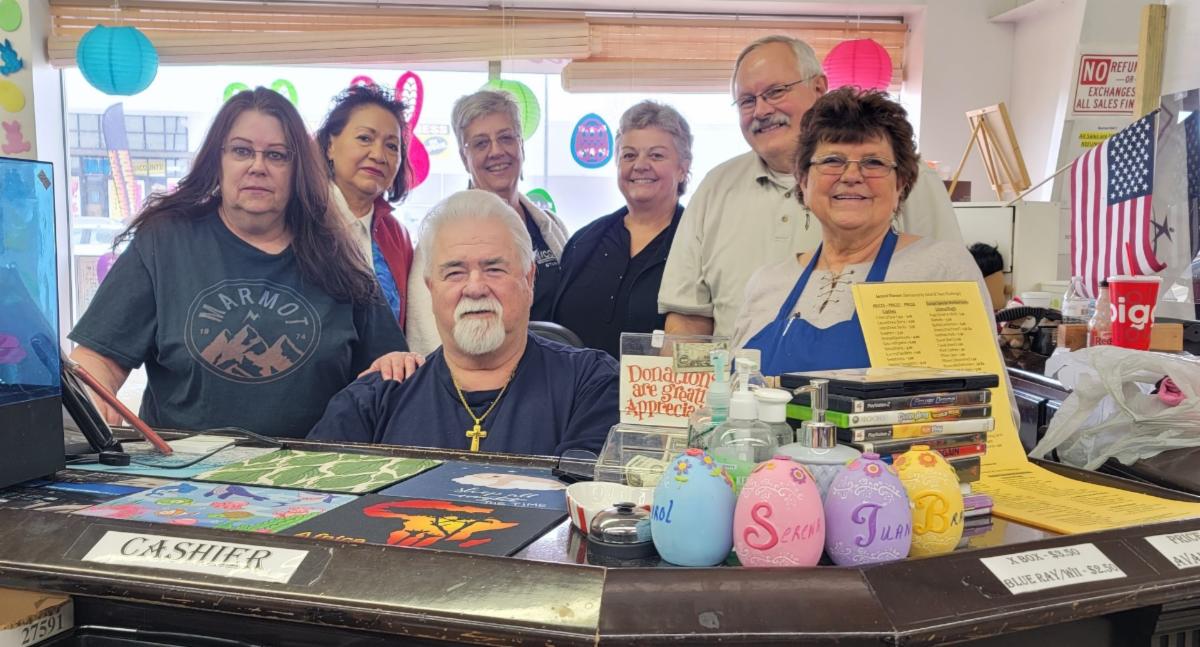
NICOA’s Senior Community Service Employment Program (SCSEP) works with elders to find employment in their communities to become self-sufficient. 2 nd Chances Thrift Center in Bismarck, North Dakota, is a great example of how the program works in our communities!
Carol Schumacher started out as a program participant and soon became the assistant store manager. With her work experience, she was able to gain the skills that allowed her to apply for the position.
Store Manager Brad Wahl is a big supporter of the NICOA SCSEP and the progress of the participants that are placed there. Employers like these make it possible for SCSEP participants to gain the necessary self-confidence, skills and job opportunities.
We would like to take this time to thank all the employers that we work with in all states we provide services, and let them know how much their contribution means to us and the participants we serve. If you are a nonprofit or governmental agency, and would like to find out more, contact NICOA at 505-292-2001. |
|
|
|
Older Adults Equity Collaborative |
|
A Message from the Older Adults Equity Collaborative |
Summer has come to New Mexico! I have a conflicted relationship with cacti, the delicate flowers that bloom during this time of year are beautiful and fleeting. One plant has a pale pink flower next to a pale yellow one. The bees find them irresistible, and this helps to make up for the annoying tiny needles that find their way into my hands when I’m working outside.
During the worst parts of COVID-19 I found a lot of comfort in the wisdom of nature, the trees, clouds, the striking profile of the Sandia Mountains. We always seem to be working against one deadline or another but even so, it has helped me to get outside, take a walk and while moving, the ideas continue to percolate. Returning refreshed I’m able to get my thoughts down more effectively.
The energy level was very high at the 2022 National Senior Games in Fort Lauderdale, Florida. Our friend Simeon Gipson was there, and I am told he plans to ride his bike from Tahlequah, Oklahoma to the next games which are in Pittsburgh, Pennsylvania, July 7-18, 2023. It is never too early to start planning if you want to be involved. Click here to find out how to qualify and get involved! And check out these inspiring photos from the 2022 games!
All of us at NICOA think about what we can do to be of help to our members and American Indian and Alaska Native elders. How can we direct our energies in a useful way to be of help to you and the elders to come? We seek your thoughts, experiences, and feedback in a spirit of continuous improvement. Please share your ideas!
Rebecca Owl Morgan
Eastern Band of Cherokee Indians
Older Adults Equity Collaborative Project Coordinator
|
|
|
|
Membership Available Online |
|
Membership with NICOA offers many valuable benefits. As a paid member you will receive NICOA’s online bimonthly newsletter, legislative updates on important issues and resolutions affecting elders, voting privileges for qualified members and discounted registration fees for qualified members to attend our biennial conferences.
Be an important part of a national membership network and become a NICOA member by applying online or by mail. |
|
|
|
Navigating LTSS: Home Health Care |
Check out “Navigating LTSS: Home Health Care,” our webinar about the Home Health aspect of long-term services and supports. Home Health is a way to receive medical care without having to leave your home.
Home Health was part of the law that was implemented with Medicare to help cover the healthcare needs of elders. To receive Home Health services, individuals must have difficulty leaving home, need skilled care, have a physician certify and review the plan of care and have a Medicare-certified agency delivering the services.
Cheryl Engram, a registered nurse (RN BSN) with 38 years of professional experience — 35 of which have been solely focused on the Home Health industry — will teach you what Home Health is, who pays for it and what is covered under this benefit. Discover what is needed to set up Home Health as well as the differences between setting up an agency or utilizing an already existing agency.
|
|
|
|
Assisted Living: The Nursing Home Alternative |
For years nursing homes have often been seen as a distasteful living arrangement for loved ones, especially elders. They were far too regimented, based on a medical model of care and offered very little privacy, dignity or opportunity for residents to thrive.
In response, creative minds during the 1980’s and 1990’s brought forth a paradigm shift; a new concept of living and of service to elders. This new approach focused on a residential model with freedom to manage one’s own affairs, medications and personal schedule.
The goal was to be like a home not an institution and counter the plagues of nursing home confinement: Loneliness, Helplessness, Boredom. A new concept was born — “Assisted Living.”
In this webinar you’ll learn about the components and services that make up assisted living, as well as its history and evolution. Discover the different levels of assisted living, how to qualify, and what it takes to develop and operate an assisted living facility.
David Wildgen is an experienced CEO of Life Plan/Continuing Care Communities including assisted living and post-acute/rehab skilled nursing facilities with over 40 years as a healthcare executive with not-for-profit, faith-driven corporations. He is a multi-state licensed nursing home administrator. Over the past eight years he’s engaged in consulting and interim CEO/executive director/administrator positions. He finds it rewarding to use his many years of experience to help elder service providers.
|
|
|
|
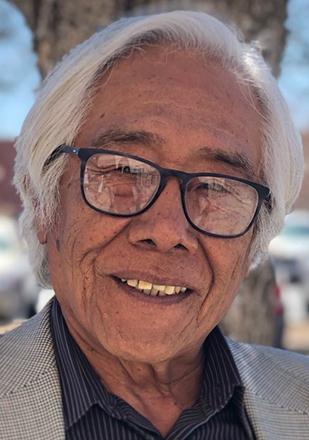
Cycle of Life: Native Elder Bikes to Wellness |
Simeon Gipson, 75, of Tahlequah, Oklahoma, talks about participating in the National Senior Games and how his love of bicycling got him back on track after experiencing health issues. He encourages everyone to get outside, find a hobby and exercise. |
|
|
|
The Native Financial Sovereignty Movement |
The Native financial sovereignty movement now has 70 certified Native CDFI and the number grows in momentum, scale, and size each day. These Native CDFIs represent diverse Native nations ranging from Hawaii to Maine, and yet they remain deeply connected and more similar in model than disparate. These community-driven financial institutions help their borrowers navigate the bureaucratic systems steeped in inequities that continue to sideline — and redline — Native communities.
Native CDFIs are fighting to change exclusionary financial practices every day. Relying on community-driven lending products and deeply accountable to their communities, Native CDFIs operate under a relationship-based lending model. Despite longstanding misconceptions about the risk of lending in Indian County, Native CDFIs often hold lower write off and delinquency rates than conventional banking institutions. |
|
|
|
5 Recent Tribal Newsletters |
|
|
|
CDC Study Shows Lower Life Expectancy for Natives |
American Indian and Alaska Native populations have higher death rates across age groups and the lowest average life expectancy compared with white, Black and Hispanic populations in the U.S., according to a recent study by researchers at the Centers for Disease Control and Prevention.
At 71.8 years, American Indian and Alaska Native individuals have the lowest life expectancy compared with other races and ethnicities. Life expectancy was 78.8 years, on average, for white people, 74.8 years for Black people, and 81.9 years for Hispanic individuals. This average life expectancy calculation of Native individuals is lower than the 78.4 years reported by the U.S. Department of Health and Human Services’ Office of Minority Health, which uses Census Bureau projections.
The Native population also have a higher death rate than white, Black and Hispanic populations across most age groups. American Indian and Alaska Native men have higher death rates than Native women in all age groups, except for 85 and over, the study found.
|
|
|
|
Water Rights for 16 Tribes |
Over the years, at least 34 tribes have turned to settlements to resolve conflicts with the federal government over water rights. The settlement is aimed at funding infrastructure for American Indians and Alaska Natives to store and transport water so they no longer have to suffer from lack of access.
The funding will help deliver long-promised water resources to tribal communities as well as a solid foundation for future economic development for entire communities dependent on common water resources.
Additionally, in April, Secretary of the Interior Deb Haaland rescinded a memorandum issued in 1975 regarding the authority to approve tribal water codes. The action will streamline Departmental review of tribal water codes and remove a widely perceived obstacle to their approval.
Secretary Haaland announced that the Department will engage in tribal consultations to discuss the appropriate delegation of approval authority and guidance on approval standards related to the review and processing of tribal water codes.
|
|
|
|
Mineral Rights in North Dakota |
A North Dakota tribal nation officially assumed ownership of mineral rights under the Missouri River in April, getting the title back from the state in a dispute that has gone on for more than two centuries.
The Biden administration has decided that the mineral rights under the original Missouri River riverbed belong to the Mandan, Hidatsa and Arikara Nation, also known as the Three Affiliated Tribes. They cited the 1851 Treaty of Fort Laramie and subsequent executive orders saying that the tribes’ territory surrounded the Missouri River. This reverses a May 2020 Trump administration decision that the state was legal owner of submerged lands beneath the river where it flows through the Fort Berthold Reservation.
At stake is an estimated $100 million in unpaid royalties held in trust and future payments certain to come from oil drilling beneath the river, which was dammed by the federal government in the 1950s. That flooded more than a tenth of the 1,500-square-mile Fort Berthold Reservation to create Lake Sakakawea.
|
|
|
|
Hunting and Gathering in Washington |
The Snoqualmie Indian Tribe, a federally recognized tribe in Washington, filed a petition in March asking the U.S. Supreme Court to consider its hunting and gathering civil rights case against Governor Jay Inslee and the Washington Department of Fish and Wildlife.
The tribe is petitioning to overturn a Ninth Circuit Court of Appeals’ decision that denied Snoqualmie’s treaty status and stripped it of its hunting and gathering treaty rights reserved in the Treaty of Point Elliott, despite the fact the United States has repeatedly confirmed the tribe as a treaty signatory.
In American jurisprudence, treaties are considered the “supreme law of the land”, and the Executive Branch is responsible for their execution, while Congress alone is solely empowered to abrogate treaty terms. No act of Congress has modified the Treaty of Point Elliott, and the U.S. Department of the Interior has repeatedly acknowledged that Snoqualmie is a treaty signatory with treaty rights.
According to the tribe, the Washington Department of Fish and Wildlife and Governor Jay Inslee refused repeated requests for state officials to stop meddling in a federal issue, forcing the tribe to sue to obtain relief from harassment from state law enforcement officials.
|
|
|
|
Ȟaŋté úŋ Pté Lolóbyapi (Cedar-Braised Bison)
- 2 to 3 pounds bison chuck roast
- 1 tablespoon coarse salt
- 6 teaspoons maple sugar, divided
- 3 tablespoons sunflower oil
- 2 to 4 cups Wild Rice or Corn Stock (see note) or vegetable broth
- Several sprigs sage
- 1 sprig cedar
- 2 cups dried hominy, soaked overnight and drained
- 1 tablespoon sumac
- ½ cup maple syrup
Preheat the oven to 250°F. Season the bison with the salt and 2 tsp maple sugar. Film a Dutch oven or large flame-proof baking dish with the oil and set over high heat. Sear the bison on all sides until dark and crusty, about 10 minutes. Remove the bison and set aside. Stir in the stock, sage, and cedar, scraping up any of the crusty bits that form on the bottom of the baking dish. Add the remaining maple sugar, hominy, sumac, and maple syrup and return the meat to the baking dish. Cover the Dutch oven or the baking dish tightly. (Use aluminum foil, if necessary.) Place the bison in the oven and cook until so tender it falls from the bone, about 3 hours.
Remove from the oven. Tent the meat with foil to keep warm. Strain the remaining stock into a saucepan and reserve the hominy. Set the stock over high heat, bring to a boil, and reduce the liquid by half. Taste and adjust the seasoning. Carve the bison and serve over the hominy with the sauce drizzled over the meat.
To make Corn Stock (Wagmíza Haŋpí): Save the corncobs after you’ve enjoyed boiled or roasted corn on the cob or you’ve cut the kernels for use in a recipe. Put the corncobs into a pot and cover with water by about 1 inch. Bring to a boil and partially cover. Reduce the heat and simmer until the stock tastes “corny,” about 1 hour. Discard the cobs. Store the stock in a covered container in the refrigerator or freezer.
To make Wild Rice Stock (Psíŋ Haŋpí): Do not discard wild rice cooking water. It makes an excellent cooking stock for soups, stews, and sauces.
|
|
Azafrán Soup With Spinach Greens and Yellow Cornmeal Dumplings
- 1 cup ground yellow cornmeal
- ¾ cup all-purpose flour
- 2 teaspoons baking powder
- 1 teaspoon salt
- ½ teaspoon white pepper
- 2½ tablespoons sugar
- 1 teaspoon unsalted butter, softened
- ¾ cup milk
- 2 cups chicken stock or water
- Azafrán Soup:
- 6 cups water
- 2 tablespoons azafrán
- 1 teaspoon salt
- ½ teaspoon white pepper
- 3 cups chicken stock or water
- 2 yellow summer squash, diced
- 3 cups corn kernels (fresh, frozen, or canned)
- 1 bunch spinach greens, washed and stemmed
Combine the cornmeal, flour, baking powder, salt, pepper, and sugar together in a bowl. Add the butter and milk and mix well to make a batter that is moist but not sticky. If the dough is too moist, knead in a little more flour. Divide the dough into 1-inch balls, flatten, and shape into small triangles, spheres, or another shape.
Pour the chicken stock or water into a small pot and bring to a boil over medium-high heat. Decrease the heat to a simmer and drop in the dumplings (you may need to do this in batches). Cook for 3 to 4 minutes, until tender and cooked all the way through. Remove the dumplings from the stock and set aside.
Heat 2 cups of the water and the azafrán in a large saucepan over medium-high heat until the liquid has reduced by half, about 7 minutes. Pour through a fine sieve, discard the azafrán, and return the liquid to the saucepan. Add the salt, pepper, stock (if using), and the remaining water and bring to a boil over medium-high heat. Add the squash, decrease the heat, and simmer for 5 minutes. Add the corn kernels and simmer for another 5 minutes. Add the dumplings and spinach, cook for 2 minutes, and serve immediately.
|
|
|
|
The National Indian Council on Aging, Inc. (NICOA) is a not-for-profit 501 (c)(3) charitable organization. Please consider adding NICOA to the charities you support.
NICOA needs your financial support as the advocacy and political work we do for our elders is not free. Grants that have helped fund NICOA are under threat in Washington, D.C., but you can help.
Your financial support will go directly to support our mission to improve health, social services and economic wellbeing for all American Indian and Alaska Native elders. Donations are tax deductible.
|
|
|
The National Indian Council on Aging | 8500 Menaul Blvd. NE, Suite B-470, Albuquerque, NM 87112 | 505-292-2001 | www.nicoa.org | |
|
|
|
|
|
|