Beyond ITAD and Recycling:
Connecting the Electronics Lifecycle
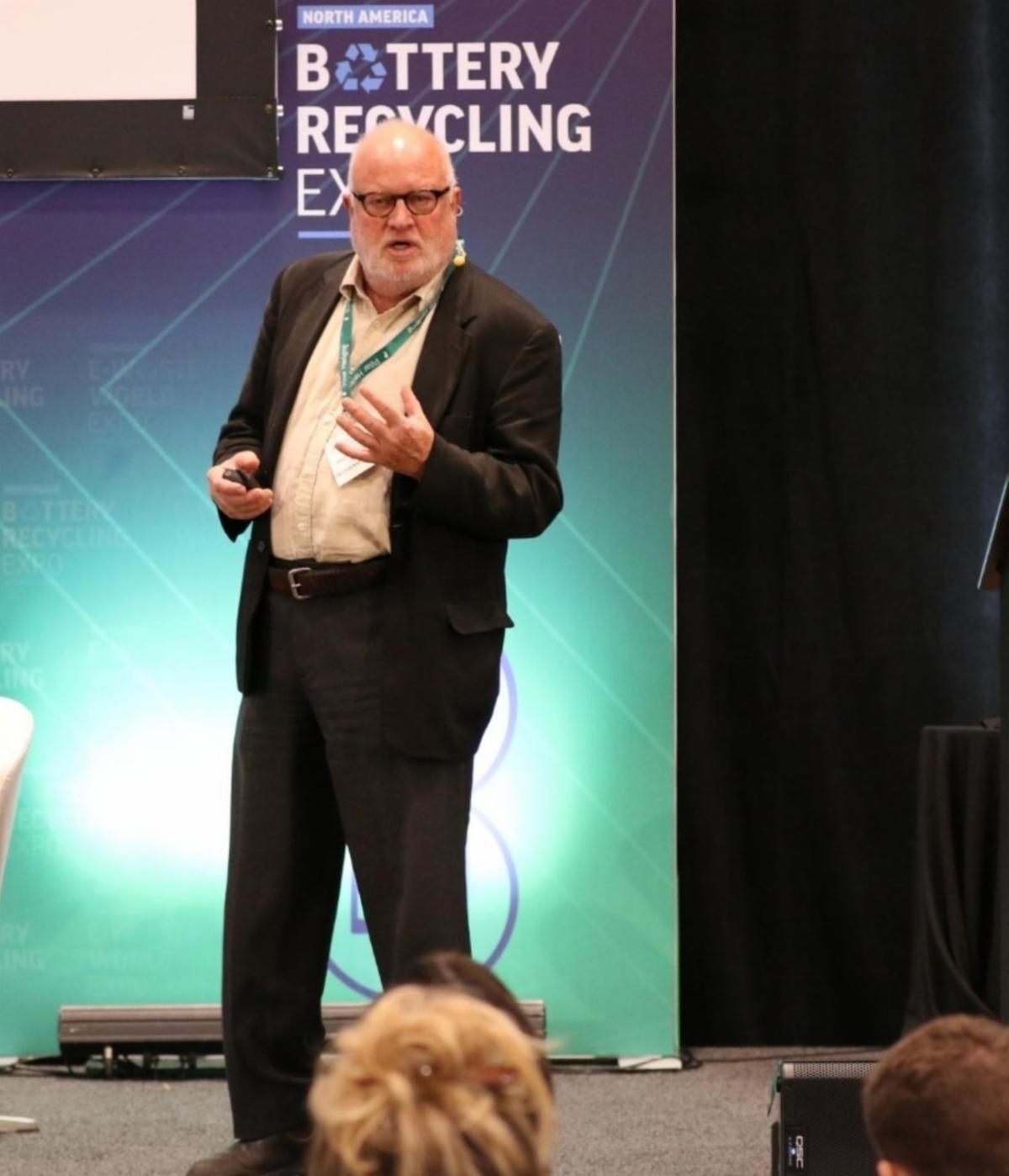
Ken Thomas, Universal Recycling Technologies, LLC
The electronics recovery industry has become increasingly sophisticated. ITAD providers have advanced capabilities around data security, reuse and value recovery. Electronics recyclers have strengthened processing, downstream accountability and material recovery. OEMs and enterprises are asking more questions about traceability, circularity and where their assets and materials ultimately go.
But as each part of the industry advances, there is a larger question worth asking: Are we optimizing individual stages of an electronic asset's life, or the lifecycle as a whole?
Historically, ITAD and end-of-life recycling have often been approached as separate activities. That specialization has created valuable expertise, but the outcomes are inherently connected.
An asset that can be securely reused today will eventually reach end of life. A device with little remaining value as a whole may still contain components and materials worth recovering. And decisions made at one stage can determine what environmental, economic and material recovery opportunities remain at the next.
A whole-life approach connects those decisions.
It considers reuse, refurbishment, remarketing, recycling and material recovery as parts of one system, with the goal of identifying the highest responsible use for an asset at each stage while maintaining accountability as it moves through the lifecycle.
That connection is becoming more important.
Basel requirements have increased attention on downstream movement. OEMs and enterprises increasingly expect greater visibility into where assets and materials go. At the same time, growing focus on critical materials, domestic recovery and circular supply chains is expanding the industry's role beyond responsible disposition.
Our responsibility is increasingly not just to answer where did the device go? but also what happened to the value and materials within it?
At URT, that thinking is behind our Whole-Life Solutions strategy—connecting asset recovery, reuse and end-of-life processing with downstream accountability and material recovery rather than treating them as isolated activities.
But the larger opportunity extends beyond any one company.
As an industry, we have spent years getting better at the individual stages of electronics recovery. Continuing to advance circularity will require us to become equally good at connecting them.
That means maintaining traceability as assets change hands and uses. It means maximizing useful life without losing sight of responsible end-of-life management. And it means looking beyond the device itself to the components and materials that can ultimately return to productive use.
The next evolution of electronics recovery may not be defined by choosing between ITAD and recycling.
It may be defined by how effectively we connect the entire lifecycle.
|