|
Interactions within Our Communities
By Harlene Anderson, Taos Institute Board Member
| |
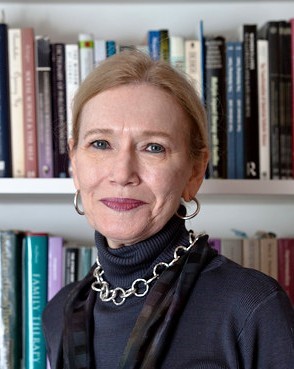 |  | It’s always refreshing to meet people I’ve never met before and to be with those I’ve known over the years, especially in person after our Covid hibernations. I hope to present and interact in a manner that shows I walk my talk. I hope it provides participants an opportunity to experience the ideas and practices as we jointly create a collaborative learning community (Anderson, 2013). Recently, I participated in the Marburg Institute’s annual fall symposium, meeting with practitioners new to and familiar with collaboration and dialogue in an unexpected way. Taos Institute Associates Klaus Deissler and Anders Lindseth and I had a conversation on dialogue. Afterwards, we invited participants to reflect and share some highlights and questions that arose in their conversation. By asking for highlights, I indicate that I do not think it is possible to repeat parts of conversations. Ample time for social interaction provided welcoming spaces for participants to connect with each other, which is important for feeling ownership of a learning community.
Afterwards, I flew to Spain’s Basque country for workshops for a psychology masterclass at Deustos University in Bilbao and the Dirdira Organization in Donostia/San Sebastian.
I next met virtually with the Danielle’s Children Foundation program in Ecuador (an international NGO in The Netherlands). The invitation was to meet with participants in a judicial system. I immediately wondered about the expectations of those who invited me and the participants. I learned from the inviters that they thought local, national, and international judicial systems could benefit from collaborative-dialogic practices (C-DP), specifically the inclusion of all voices in the systems. The conveners wanted me to respond to questions they had crafted in collaboration with the participants. These included questions such as:
- How can judges, psychologists and social workers incorporate in their work, another way of being (other than what is expected of a person in their roles)?
-
How should they be with the people (colleagues and clients) they work with every day and what are the elements of C-DP that can be useful for their work, according to your experience with lawyers and judges?
- How can we position ourselves as not-knowing when we are in positions of being expected to know, to judge?
-
How can it be possible for a judge to not judge?
- How about the power and prejudice society has about judges?
-
How is it possible to create a community of people (clients and professionals); and if so, how—how do you start and continue to promote conversation among members of that community?
- How can C-DP make a difference for the judicial system?
In responding I did not answer each separately but addressed the themes I thought they suggested. I do not think questions demand immediate answers. I want my response to invite others to think with me. I believe that relationships and conversations intertwine and mutually influence. The qualities of the relationships we develop influence the qualities of the conversations we can have, including silent conversations we have with ourselves as we speak and listen.
I find it helpful to think that I am a foreigner meeting foreigners. Likely, we each arrive with predetermined ideas of the other. I want others to meet me, not who they heard or read about. I like to stand at the door to greet and welcome people as they arrive. As people are seated, I like to walk around and continue meeting and connecting. I informally ask people where they come from, where they work? Once the formal program begins, I introduce myself. I offer that if they want to know more about me, please ask. I want others to experience me as a human being, simply engaging and interacting with another human being: to bring back humanness.
| |
December 6, 2024
Pathways to Relational Resilience
An online workshop with Deb Nathan & Sheila McNamee
Whether it is between nations, within families, between partners, or with colleagues, it is challenging to find ways to move beyond conflict towards greater understanding and an appreciation of difference. However, it is not impossible, and hope can be found even amid the deepest of divides. How do we hold on to our beliefs while making room for other perspectives? As the political and social aspects of the world in which we live become more polarized, how do we learn to tolerate difference and listen to viewpoints that differ dramatically from our own? How do we work together and learn to value difference?
This online workshop features relational alternatives to more traditional approaches to conflict resolution. Participants will learn how the utilization of art and reflecting dialogue can work together to encourage the development of relational resilience and to shift from conflict to appreciating the value of difference. More details.
| |
|
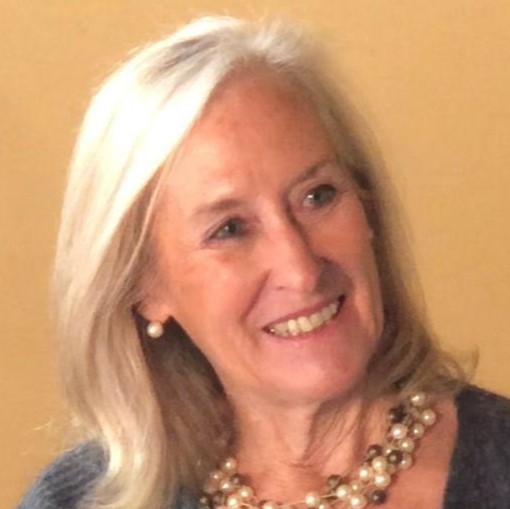
Sheila McNamee, Ph.D. is Professor Emerita of Communication at the University of New Hampshire and co-founder and Vice President of the Taos Institute. Her work is focused on dialogic transformation within a variety of social and institutional contexts.
| |
|
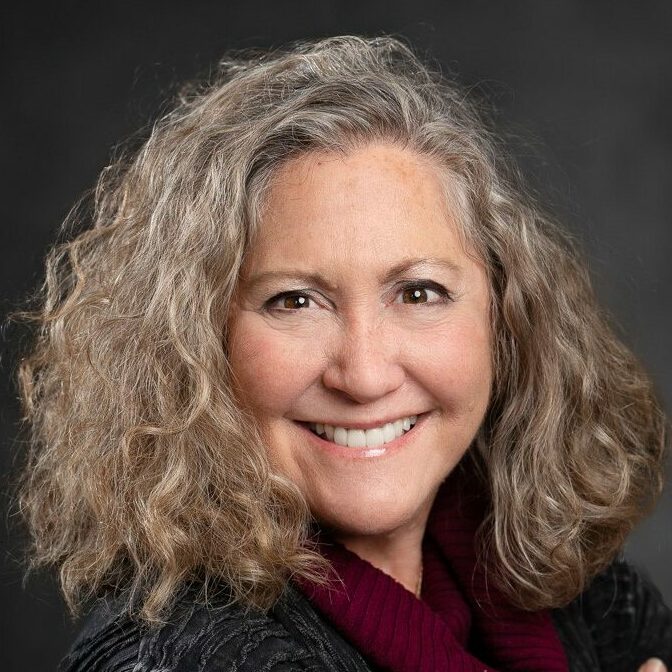
Deborah Nathan, Ph.D., LMHC, ATR is a psychotherapist specializing in art therapy, conflict mitigation and trauma. In 2008, Deb founded Artsbridge, Inc. – an organization that utilizes a unique methodology to bring together teens from communities in conflict.
| |
Certificates of Completion available upon request. | |
|
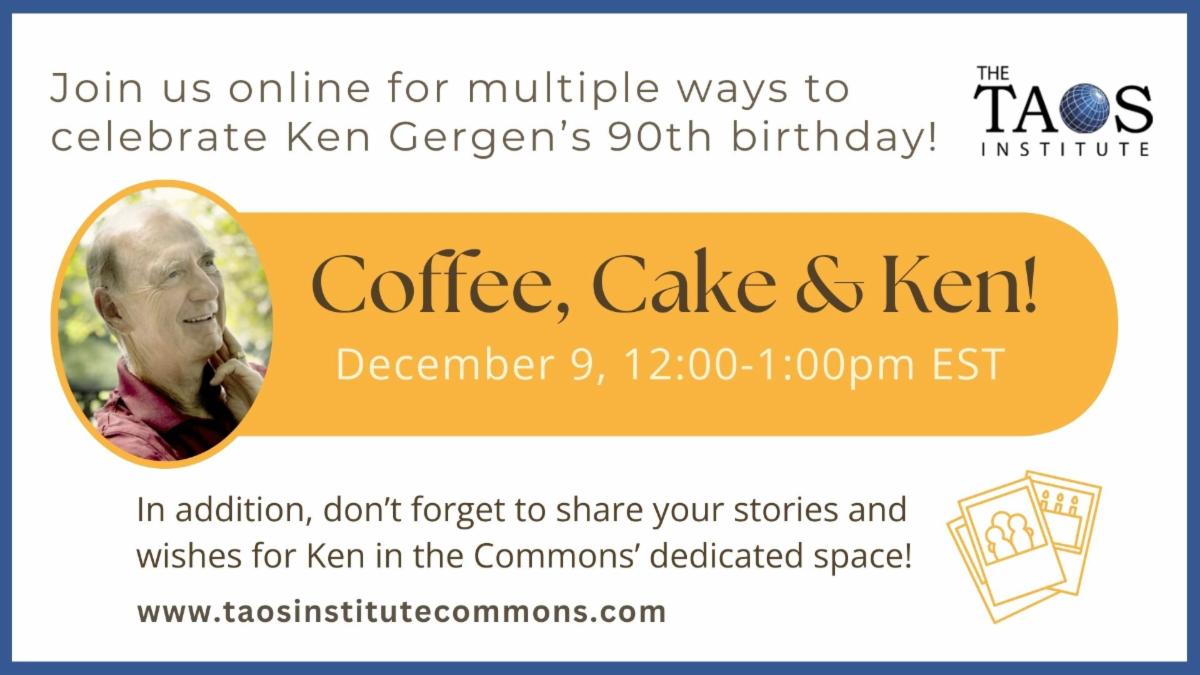
This year marks Ken Gergen's 90th birthday.
Friends, colleagues, and students, let's join in the celebration!
Please join in this informal online gathering to toast Ken with coffee, cake, or your treat of choice as Sheila McNamee hosts Ken in a celebratory conversation.
| |
Share your stories and wishes... We have created a special space in the Taos Institute Commons online community where you can share how Ken, and/or his work, has impacted your work and life. Post your stories, memories, wishes, videos, images, poems, songs, or whatever form of celebration inspires you! These contributions will be compiled in a book and presented to Ken as a gift to honor his outstanding contributions and unimaginable impact around the world. | |
What's Happening in the Commons | |
Join with over 1600 members from around the world in the Taos Institute Commons online community as we explore social constructionist, relational, and appreciative theory and practices. We invite you to attend the free events in the Commons to engage in rich dialogue, share valuable resources, watch event replays, and make meaningful connections with others interested in creating more promising futures, one conversation at a time. More details here. | |
|
|
|
|
Community Meet & Greet
Informal gatherings in the Taos Commons
November 22, 2:00-2:30pm EDT
Whether you are new to the Taos Institute Commons online community or already a member, we invite you to join this informal gathering to meet other Taos Institute Commons members and share stories of how you are applying (or hoping to apply) social constructionist, relational and appreciative approaches in your work and life. Stop by to say hello, we would love to meet you.
| | | |
|
|
|
Taos Conversation
The Relational Manager
December 10, 2:00-3:00pm EST
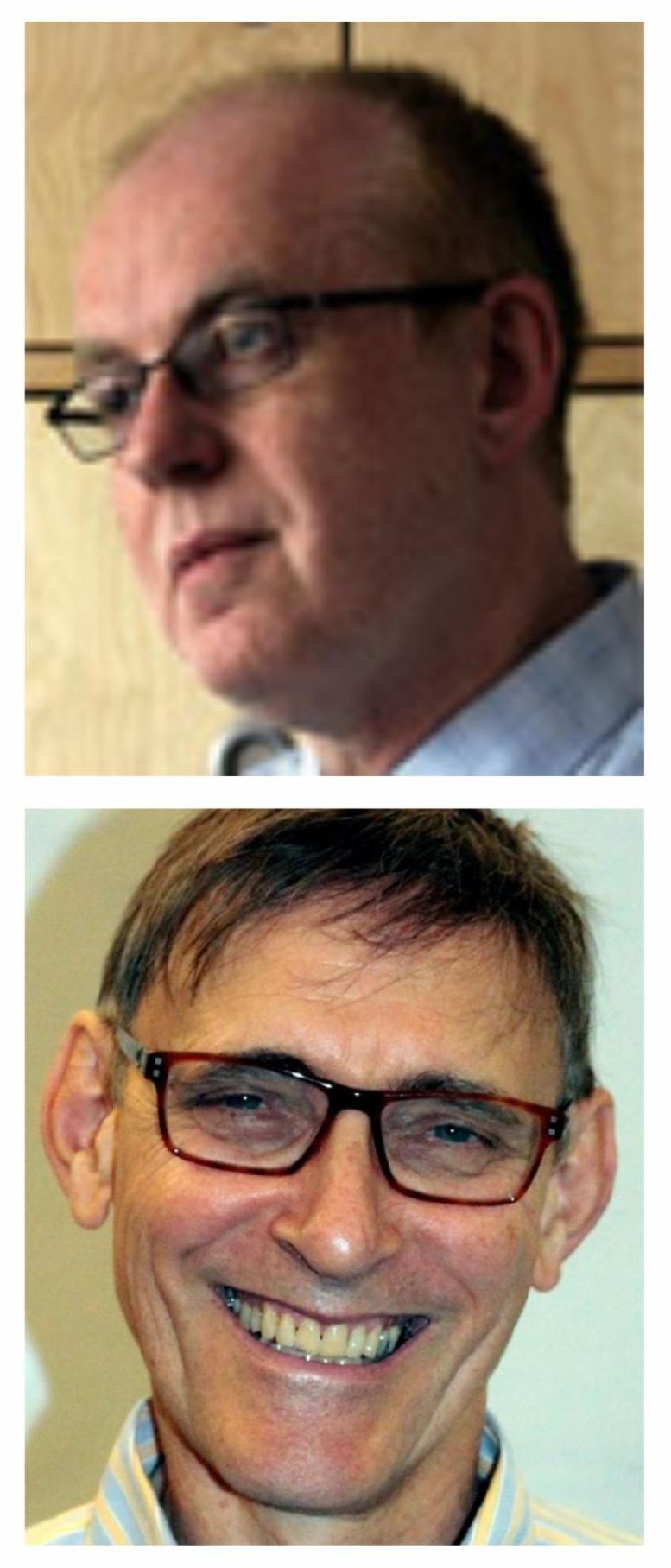
Chris Blantern and Philip Messent invite you to join a discussion, and possible collaboration, about a new resource for managers - a website and an app through which managers are able to access in the moment alternatives to the taken-for-granted disciplinarian approaches born of monological, authoritarian managerialism, offering ways of managing that arise from a more respectful, relational, dialogic sensibility. More details here.
| | | |
Appreciative Inquiry’s roots are in Academia: a community whose systems and spaces have been traditionally and predominantly white. As a DEIB learning community, we are eager to explore ways to positively disrupt this cultural history by leveraging our shared AI practices to create a new, more diverse, more inclusive community culture. the Practitioner Learning Group on Equity and Belonging meets monthly to discuss how to foster belonging and liberation through the work of Appreciative Inquiry and related transformational processes. More details here. | | | |
|
Novel Practices for Breaking Free from Panic and Anxiety: A Somatic meets Narrative training event
November 16, 2024, 9:30am - 5:00pm EST
Panic and anxiety are amongst the most frequent problems people present when seeking therapy. Their personal stories often reflect the impoverishing and debilitating effects that it has on their ability to appreciate and participate in the mundane details of everyday life. In this one-of-a-kind workshop, Jim Duvall and Marie-Nathalie Beaudoin will present a range of valuable assumptions and practices for addressing panic and anxiety that are not normally presented together. They are all non-normative time-sensitive approaches to therapy. Jim will be focusing on brief narrative practices and Marie-Nathalie on somatic approaches including energy psychology. Together they will present empowering alternative short-term approaches for overcoming panic and anxiety. More details.
| | | |
|
Normalizing Ourselves for the Other
A Virtual Conference: Polyphonic Dialogues Among Clinicians and Clients on Themes of Coercion, Confinement, and Inviting the Context
Dec 1, 2024, 10:00am - 1:00pm PST
| Our guests invite humanitarian conversations beyond formulaic relationships, fostering spaces for cures, wellness, and healing from mental illness narratives. We’d like to invite you to join Dr. Susan Swim, founder of Now I See a Person Institute, and a panel of medical doctors, psychologists, master clinicians, recovery consultants, and coaches as they share their experiences and how a more humanized approach radically changed their lives and led them all towards finding freedom. More details. | | | |
|
Performing Your Story (And Have it Help You Grow Your Project)
A two part interactive workshop Led by Cathy Rose Salit and Sarah Filman
Saturdays Dec 7 & Dec 14, 2024, 11:00am - 1:15pm EST
| As the architect of The Becoming Principle and a leader of the performance activism movement, Cathy Salit can help you develop and create your story. As a performer, she can help you deepen your presence and bring your presentation to life. As a coach, she can help you grow in the process. Join Cathy and Sarah Filman to discover new and more effective versions of yourself and your project. Using the tools of theater and improvisation, the developmental psychology of becoming, and a hefty supply of activist, business and street smarts, Cathy and Sarah will help you discover your power, creativity, agency, intellect, and soul. More details. | | | |
One way the Taos Institute carries out its mission to create brighter futures through social construction is by creating and disseminating a wide variety of resources for scholars, practitioners, and students interested in dialogic and relational approaches. These free resources span many disciplines and languages. To suggest a resource, email info@taosinstitute.net. | | |
|
|
This month's feature: The Academy of Management Organization Development and Change (ODC) Division
ODC connects to explore the research and practices aimed at developing healthy and humane organizations & communities. The Division provides resources and opportunities for high-impact scholarship, collaboration, and knowledge-sharing. ODC supports theoretical or applied research that focuses on meaningful change and the development of people, organizations, and society. For more details, click here.
| | |
|
The Taos Institute is a non-profit educational organization. We strive to keep our offerings free or at low cost to make social constructionist, relational, and appreciative ideas available to as many people as possible around the globe. Please consider supporting our mission of creating brighter futures through social construction by making a donation. | | | | |