Loving your neighbor through Anti-Racism
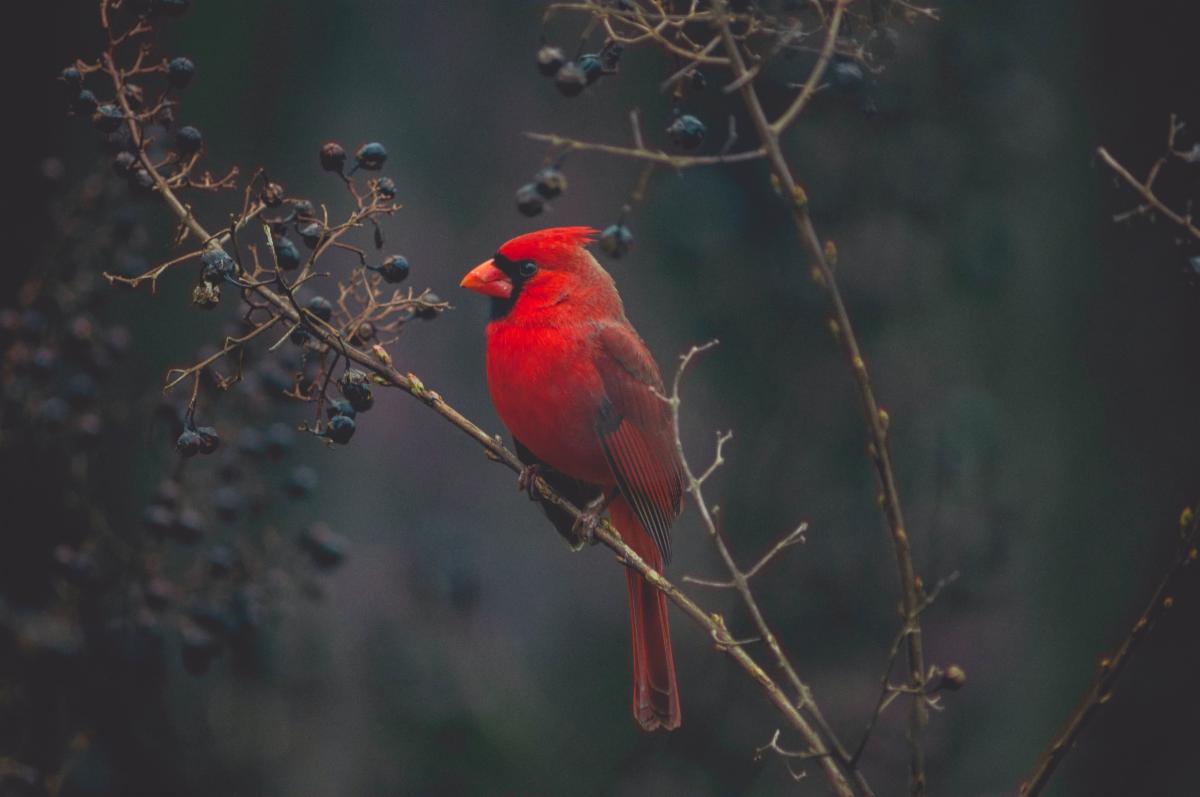
I spend a lot of time outside birdwatching. Often this takes me to rural or sparsely populated areas, usually before dawn. I confess that I have never felt worried about my safety or felt unwelcome, and I can't say that I have ever been made to feel out of place.
Christian Cooper, a black birder in New York City, has not always had the same experience as me. The confrontation between him and a white woman walking her dog in Central Park made the national news on May 25th, 2020, and could have ended very differently for him. The violence and racial bias often directed towards people of color in our society means that no matter their education, where they live, what they've achieved– they do have to worry about their safety. They are made to feel unwelcome and out of place. Their very presence and existence can be seen as a threat to others. And on the very same day, for another black man, George Floyd, the results of racial bias were deadly.
Contrasting these men's experiences with my own was shocking. It turns out that my day-to-day– which I can't say I have to think about very often– is not the default setting. I move through the world as if I have a right to be there, as if I am safe and welcome. No one sees me as a threat when I am out birding. This is the accidental privilege of being white. It is not the same for everyone.
In the summer of 2020, I started listening to podcasts about anti-racism on my daily walk to help me understand my own biases and hear what people of color say about their experiences. I wanted to listen and find ways to act in solidarity, to understand what it means to be an antiracist. It has been a challenging and rewarding education that I never want to stop.
When we look at the life and ministry of Jesus, he chose to lay down his privilege at every opportunity. He chose to include everyone (EVERYONE) in the love of God. The command to love my neighbor as myself is connected with the command to love God completely. Jesus said these are the most important commandments; if I say I am following them, I have work to do! I must understand who my neighbor is, what her experience is like, and how I can contribute to a world that is more just, more peaceful, safer for her and all my neighbors, not just me. I believe this work is part of loving God completely. It is an essential part of my faith.
Our next series of Exploring Anti-Racism through Podcasts at Saint John's starts next week. There are so many voices to learn from and so many ways we can understand how to love our neighbors better and work towards justice for them. No matter where you are in your understanding of these issues, that's the right place to start. I hope you'll join us.