International Foundation for Gastrointestinal Disorders
February 2021 eNewsletter
|
|
|
Greetings!
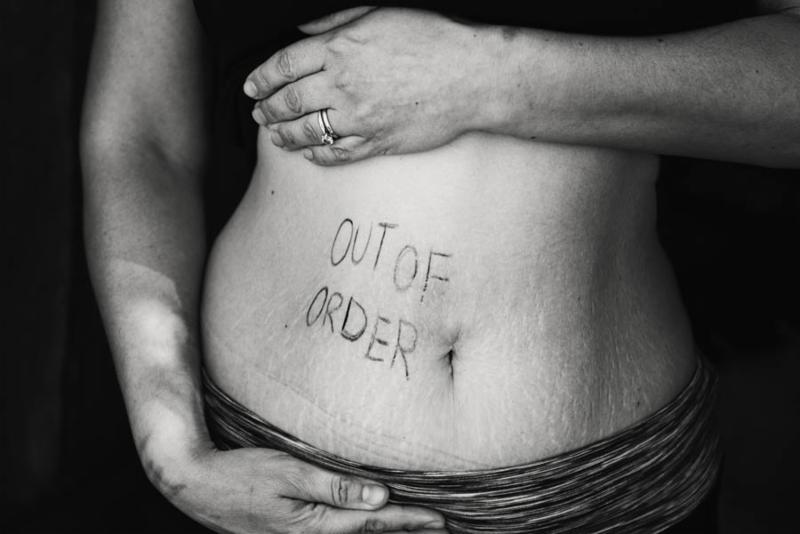
There are approximately 6,000 identified rare diseases to date; 72% of rare diseases are genetic and 70% of rare genetic disorders start in childhood. People who suffer from rare digestive diseases or any chronic illness face daily challenges that significantly impact their lives. Yet, many persevere and overcome these obstacles each day.
Each year Rare Disease Day is recognized on the last day of February to express these conditions' uniqueness and inspire others to take action within their community.
|
|
|
|
This year Rare Disease Day is February 28th.
National Institutes of Health (NIH) identifies a disease as rare if it affects fewer than 200,000 people in the United States. 1
Many rare diseases have been documented by NIH to have an affect on the digestive tract. Symptoms associated with both rare disease and chronic gastrointestinal disorder can be debilitating and life-altering.
Click here to learn more about what rare diseases are and how you can help raise awareness.
|
|
Hirschsprung’s disease is a rare condition that people are usually born with and occurs in 1 of every 5,000 births.
Children with Hirschsprung's disease are missing the nerve cells (ganglion cells) within the wall of their colon or rectum.
These cells are responsible for the normal wave-like motion of the bowel (peristalsis). When they are missing, the stool stops, and an obstruction occurs.
Click the button below for answers to ten frequently asked questions about Hirschsprung's.
|
|
Gastric Antral Vascular Ectasia (GAVE), sometimes called “watermelon stomach,” is a rare GI condition and the specific cause of GAVE is unknown.
However, it is often associated with cirrhosis of the liver. It can also be linked with other conditions such as autoimmune disorders, chronic renal failure, cardiac disease, diabetes mellitus, atrophic gastritis, cirrhosis, scleroderma, pernicious anemia, and CREST syndrome.
It can also occur in patients with portal hypertension, vascular disease, metabolic syndrome.
Click the button below to learn more about GAVE.
|
|
|
|
Join us the week of March 21, 2021!
Register now to ensure you will receive updates and information as this event draws closer. This year we are beginning the 117th Congress with a multiday advocacy program. Join us for all or part of the event to learn more about advocating to Congress. The education program this year provides information on various support options, including support groups, available to the digestive health community.
There will be a Sunday education program to kick-off the week and weekday learning sessions covering specific topics.
|
|
|
|
|
To commemorate the 30th anniversary of IFFGD, we will be hosting a very special virtual edition of the Norton Education Series (NES).
The Nancy and Bill Norton Patient Education Series Event: IFFGD’s Thirtieth Anniversary Edition - This program will be a mix of pre-recorded videos and live feed that will take place Saturday, November 6th and Sunday, November 7th.
William Chey, MD will Chair the Program Committee and Lin Chang, MD and John Pandolfino, MD will serve as Co-Chairs. The Program Committee will join Ceciel Rooker, IFFGD President, in co-hosting the event.
Click here to learn more about the event and register!
|
|
|
Sharing your experience of living with a chronic, life-altering condition can provide a therapeutic release for you and encouragement for others who may be suffering.
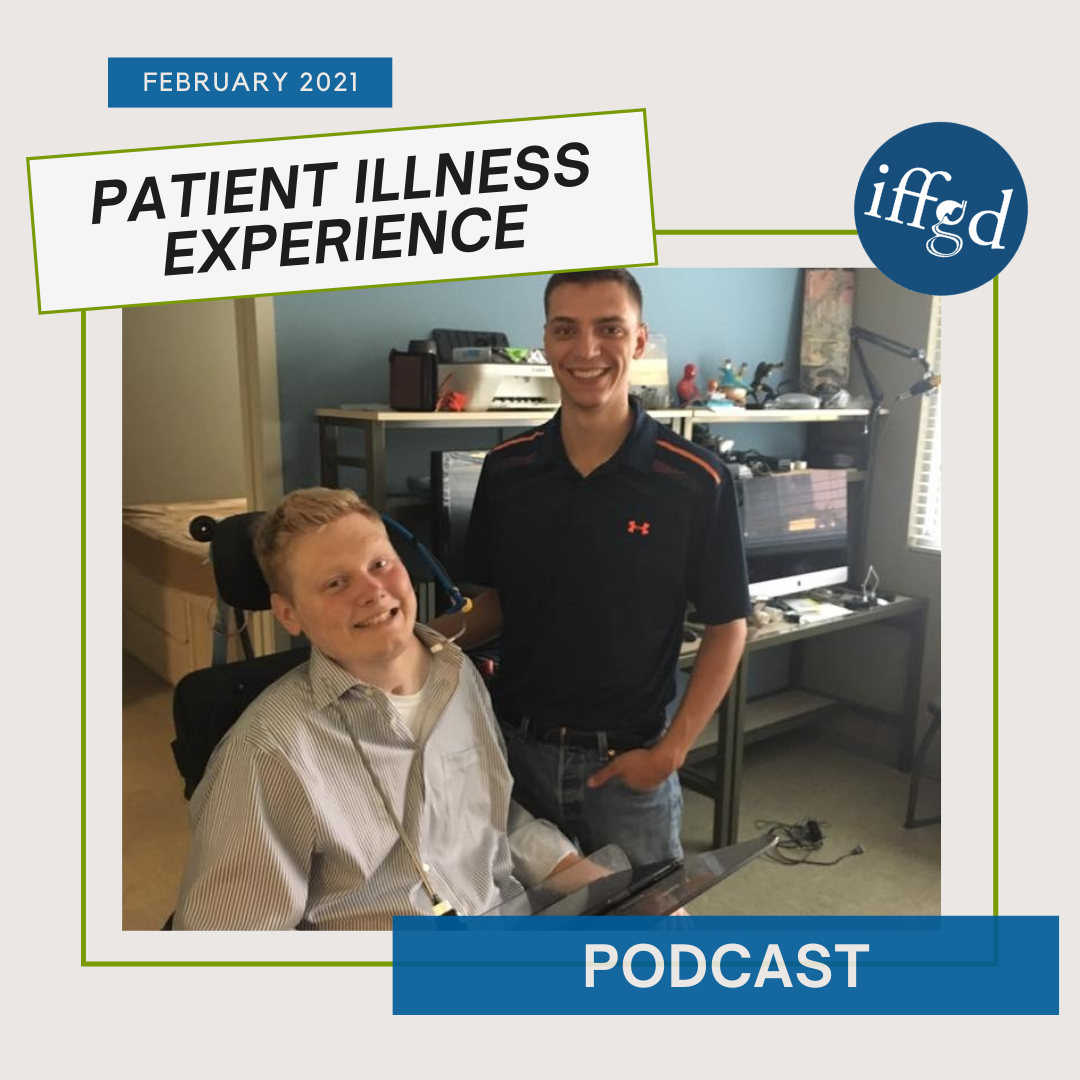
Individuals who survive a spinal cord injury, also known as SCI, may suffer from long-term effects on other parts of the body, including the gastrointestinal (GI) tract.
During our new Patient Illness Experience Podcast, we had the pleasure of speaking with patient advocate Tyler Hoog.
IFFGD conducted this interview to gain insight into his illness experience and why it is important to raise awareness about spinal cord injuries and its’ association with GI disorders.
Click the button below to listen to this podcast today.
|
|
Relationships - with friends, family, doctors, and caregivers - are among the most important things that contribute to how well a person with a chronic gastrointestinal (GI) disorder can overcome the obstacles of their condition and carry on with day-to-day life.
Whether you or someone you know is affected by a GI disorder, there are things you can do to open up communication lines and encourage greater understanding.
Click the button below to learn about how to build a healthy support system around you.
|
|
Clinical trials and research studies help to improve our understanding of the underlying mechanisms of diseases and advance the development of new and better treatment options. By participating in a study, you can help further the advancement of research and learn more about your condition.
Here are 3 studies currently recruiting participants:
|
|
IFFGD has an Advisory Board that is made up of 60 medical professionals from various disciplines representing the USA and ten other countries. Many of these individuals are noted experts in the field of functional gastrointestinal disorders. This month we would like to recognize our new advisory board member, Emily Haller, MS, RDN.
Emily Haller, MS, RDN is an expert in digestive health and medical nutrition therapy for gastrointestinal diseases. Emily works with the Division of Gastroenterology and Hepatology at Michigan Medicine where she provides individualized nutrition counseling and medical nutrition therapy to patients with a variety of gastrointestinal disorders.
Emily is active in several professional medical and academic digestive health groups. She has been collaborating with IFFGD since 2018 and assisted with the launch of their Diet and Digestive Health Twitter Chat Series (#DDHChat) and has developed content for patient education through fact sheets, GI Research on the Road interviews, and presentations.
|
|
|
Emily is an active a member of Dietitians in Gluten and Gastrointestinal Disorders (DIGID), a subunit of the Medical Nutrition Therapy dietetic practice group of the Academy of Nutrition and Dietetics, where she serves on several workgroups. Additionally, Emily serves on the expert panel of the American College of Gastroenterology Functional GI Health and Nutrition Circle.
Recognizing the importance of GI dietitians and need for education in this space, Emily serves as a co-director for the annual GI nutrition training program for dietitians, FOOD: The Main Course to Digestive Health.
In addition to digestive health, she specializes in vegan and vegetarian nutrition. Emily is passionate about helping others achieve a nutritionally balanced diet that supports their well-being and various health goals. You can connect with her @emilyhaller_rdn on Instagram and Twitter.
|
|
IFFGD is a nonprofit organization. We rely on donor support to fund research and to provide reliable information and support to those affected by chronic gastrointestinal disorders.
|
|
|
|
|
|
|