|
A recent article from The New York Times explores new research suggesting that some rainforests may regenerate more quickly after deforestation: Read Full Article Here
At TREE Foundation, we believe it’s important to look at findings like these through a scientific and conservation-focused lens. Here’s a response from Dr. Meg Lowman:
Like many forest scientists, I read this article with cautious optimism and an emphasis on CAUTIOUS. I would love to hear that the world has figured out a rapid restoration of tropical forests, but that simply is not the case. This team arguably found some fairly quick rates of restoration, but the conditions were fairly specialized.
First, they measured 16 taxa and, knowing that millions of species inhabit a primary, full-grown tropical forest, this is simply the tip of the iceberg for species diversity. Second, the successfully restored plots were either close to or surrounded by primary forest, giving the forest better chances for seed dispersal and wildlife to re-enter the cleared patches.
It is certainly heartening to know that successful restoration can happen in certain situations, but, unfortunately, many parts of the tropics are cleared in a large-scale fashion, not just small intermittent plots. This means that their chances of recovery to the original state will not be rapid, if at all, or ever.
I was part of a thirty-plus year project in Australia measuring seedling regeneration in Queensland tropical rainforests. Some of our marked plants were about four inches high yet over 70 years old. Some species grew faster, but the later-successional plants that would ultimately become the canopy trees simply did not grow very quickly.
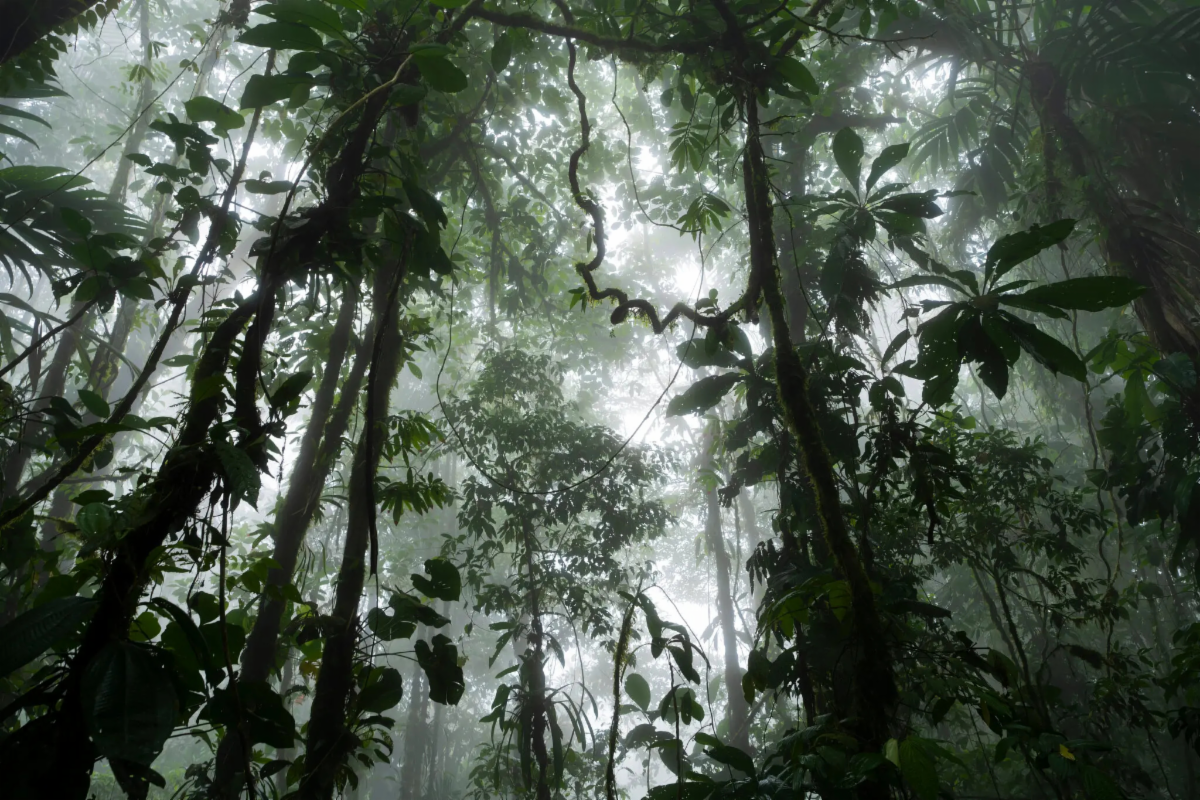
We need to save our remaining primary forests because they represent the genetic library of our children’s future. Period.
And as optimistic as I usually am, I don't think we can now clear tropical rainforests and rely on their full recovery within a few decades.
🌍Protecting existing forests remains critical.
|