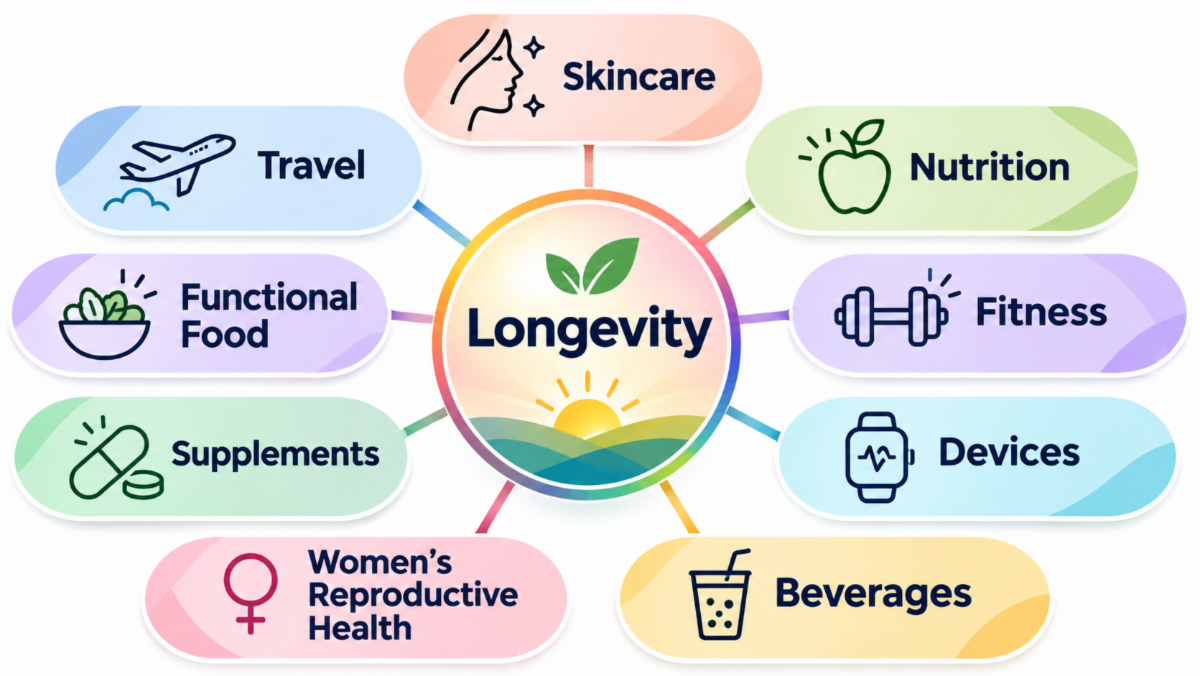
A snapshot of what we are reading, seeing, eating and doing at CE HQ | | | | In the past few years, Consumer Eyes has gone deep into the $610 billion world of longevity, talking with everyone from the wellness gurus at the Equinox Hotel to consumers navigating the supplement aisle. It’s a trend that has been building for more than a decade, but it now feels like it has hit a tipping point, showing up everywhere from the skincare counter to the drinks aisle. And while longevity represents a massive opportunity, we've also learned that it's about a lot more than simply living longer. In fact, it's a term that encompasses a number of distinct consumer targets and behaviors. | |
| |
Biohackers
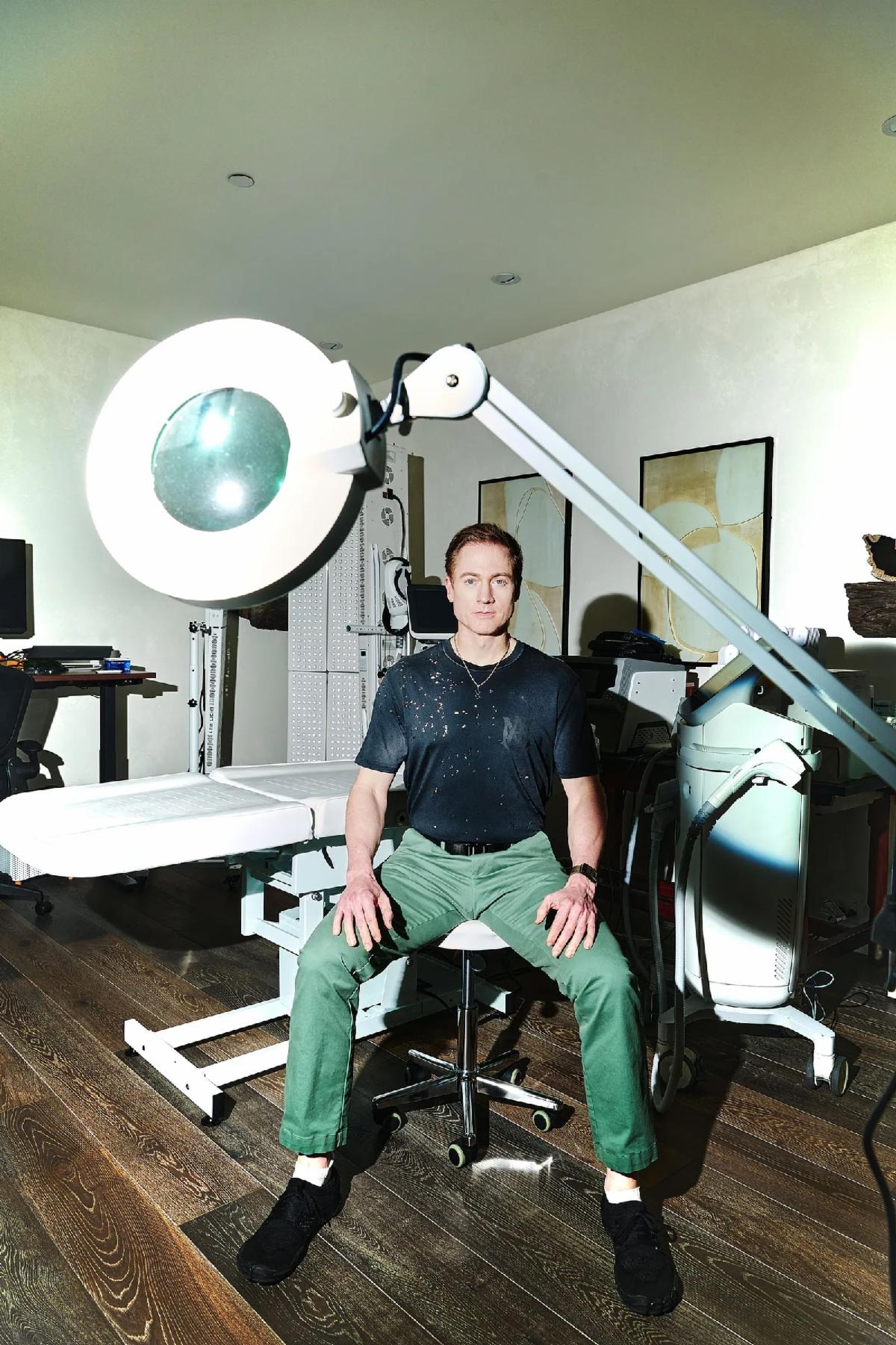
At the leading edge, a small but well-publicized group are taking radical longevity into their own hands, experimenting with unregulated and untested practices in an effort to extend their lifespans. From NAD+ and blood transfusions to peptides and DMT therapy, these hyper-proactive self-experimenters have blended wellness with the culture and philosophy of big tech.
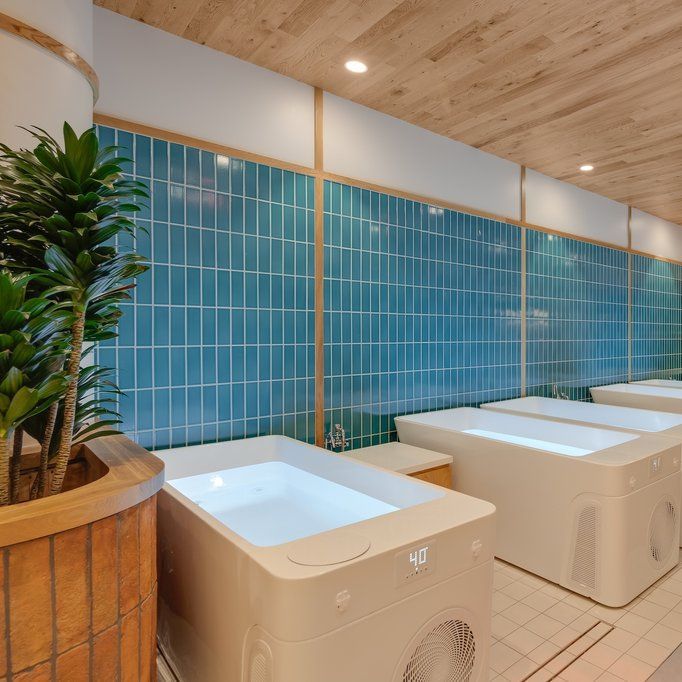
This fringe mindset has been trickling down into the mainstream, in the form of Oura rings, cold plunges and more – but most recently, their influence has shown signs of waning. Marquee biohackers like Bryan Johnson are stepping back from some of their most extreme practices, and voices in the community are now talking more about the rise of biohacker burnout.
| | | |
Healthspan Seekers
There is a growing understanding in the mainstream that simply extending life isn't enough – what matters is extending the period in which you can be active and engaged in your life. 50% of all supplements launched since 2022 feature some form of healthspan messaging, and notions like the Blue Zone theory (now since somewhat discredited) have trained consumers to look for benefits like mental acuity, joint flexibility and strength when thinking about longevity. In our eyes, this is really the future of core longevity - the pursuit of a long, vital life, full of friends, movement and purpose. And this is particularly key given that between 2009 and 2019, the HALE (Healthy Life Expectancy) actually declined in the US by about .3 years.
| | | | |
| |
The New GPs
Over the past couple of decades, there has been widespread frustration with the decline of the traditional General Practitioner/Patient relationship – doctors seem to be too busy to do anything but check test results and write prescriptions. Much of what has fallen by the wayside – from diet advice, to questions about sleep and socializing, to proactive testing – is now being picked up by longevity clinics. In that sense, longevity has become a reimagining of preventative care, and for many consumers, their longevity practitioner is quietly becoming their new GP.
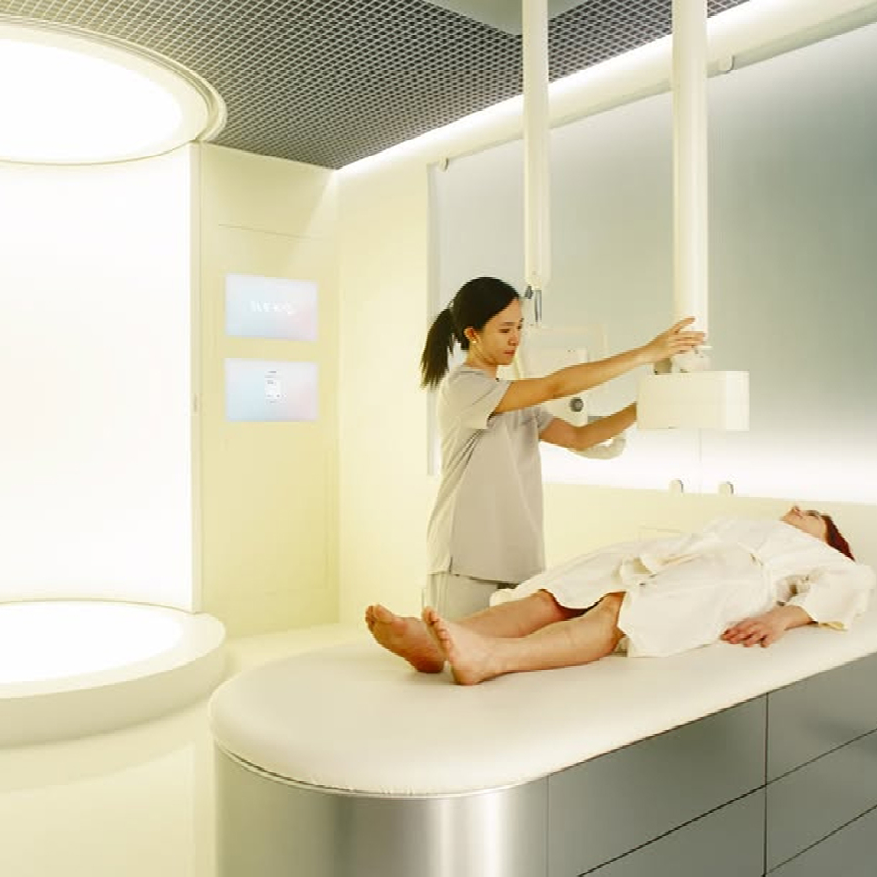
Check out Neko, a new clinic in NYC's Soho neighborhood that offers a signature "Neko Health Scan" for $500 – it takes about an hour, and collects data from the blood, skin and heart, helping to build an overall picture of health. We see the clinic's high-tech, high-design aesthetic as being really key to its pitch. In a world of grimy Urgent Care clinics and harried GPs, the feeling of attention – of being truly seen, in a clean, authoritative (if a little Dune-esque) space – is a true luxury. Neko's offerings can certainly improve a patient's longevity, but we think the benefit for most is much more immediate.
Or consider the Love.Life Longevity Club in El Segundo, the brainchild of Whole Foods co-founder John Mackey. Describing her first visit, an LA Times reporter said, "After weeks of navigating our infuriatingly slow medical system, it felt promising, if not surreal, to arrive at the doorstep of an establishment with nearly every treatment I could think of under one roof: diagnostic tests, rejuvenating therapies and fitness and nutrition plans to stave off future health problems." What’s being labeled as longevity is actually acting on some very immediate desires.
| | | |
Women's Longevity
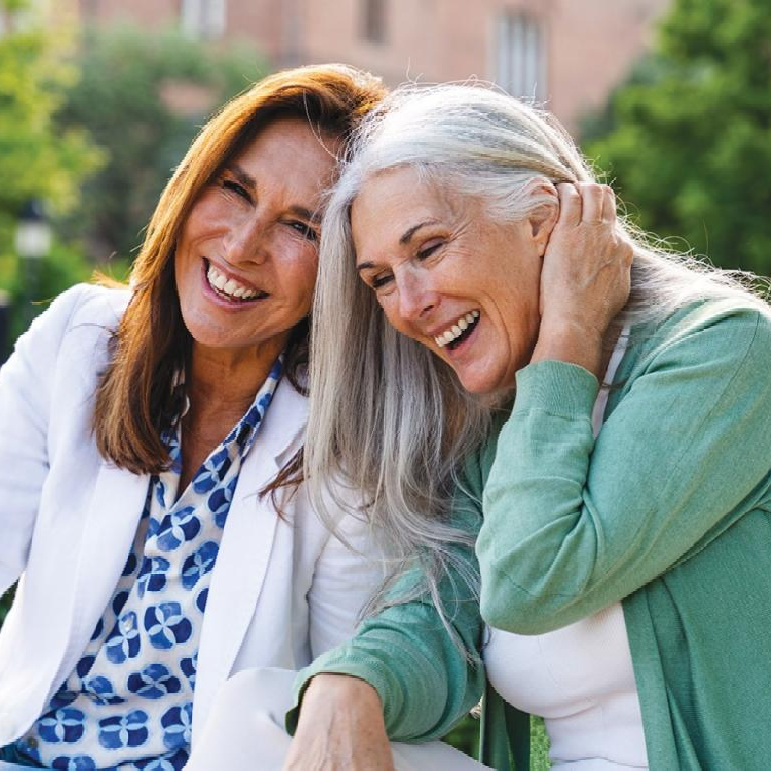
For most of its history, the longevity movement has been built on men's bodies – male data, male protocols, male founders. That's starting to change. The Global Wellness Summit named women getting their own lane in longevity its #1 trend for 2026, pointing to growing research that ovarian health acts as a kind of command center for how women age, with its decline accelerating aging across the whole body. Women already live longer than men on average, but they also spend more of those years dealing with age-related conditions like osteoporosis, dementia and heart disease – which makes healthspan, not lifespan, the real prize.
Perimenopause, once treated as a niche, is being reframed as a longevity inflection point. Expect women to start tracking their hormonal and ovarian health the way they track cholesterol – and to look for brands that speak to their biology rather than borrowing from men's.
| | | | | The deeper you dig into longevity, the further it gets from simply living longer. Of the groups we’ve described, only the biohackers are really chasing 150. For everyone else, longevity is framed around the future but felt in the present, and it has become a way for consumers to articulate something they've struggled to express – the desire to feel cared for and seen, right now. | |
What this means for brands | Longevity isn't just a label you can slap on a product. Underneath the buzzword is a rich set of consumer behaviors and desires – for control, for attention, for a feeling of vitality today. | ... or reply to this email to start talking with CE about how you can leverage deep longevity insights to build energy for your brand. | | | | Brand & Category Invention - New Product Innovation - Brand Strategy - Human/Culture Exploration - Prototyping & Incubation - Innovation & Creativity Labs | | | | |