PA REAP Application Opens August 1

The PA Resource Enhancement and Protection program, known as REAP, allows farmers, businesses, and landowners to earn Pennsylvania income tax credits to offset the cost of implementing certain conservation practices. REAP provides tax credits at levels of 50%, 75%, or 90% of costs incurred in the implementation of best managment practices that reduce nitrogen, phosphorus, and sediment pollution.


Agricultural operations are eligible for up to $250,000 of REAP tax credits in a 7-year period. Non-ag businesses and individuals can earn PA REAP tax credits by sponsoring an eligible project.


Tax Credits are awarded on a first-come, first-served basis and applications are accepted until available tax credits for the year are exhausted. Applications will be accepted August 1 - September 30, 2025.


AG Progress Days: August 12 - 14


Penn State's Ag Progress Days features educational programs, current research, agricultural equipment and technology, and more than 400 exhibitors from across the United States and Canada. Admission is FREE.

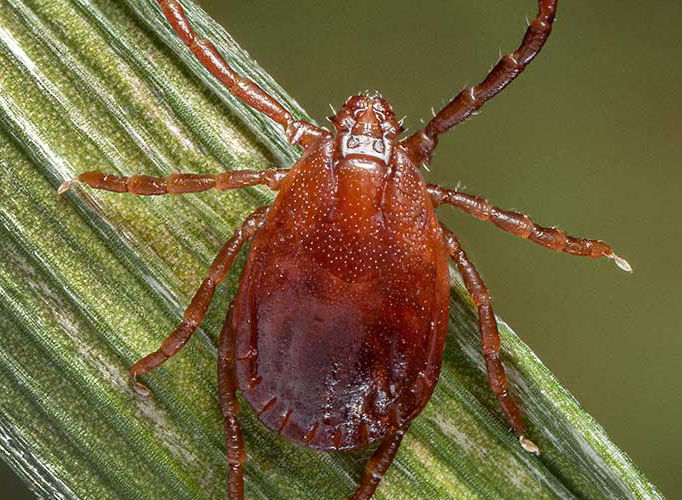
ALERT: Watch Cattle for Asian Longhorned Ticks


Farmers in Westmoreland County are urged to be on the lookout for Longhorned ticks (Haemaphysalis longicornis), which can negatively impact cattle. These ticks are active anytime throughout the spring through the fall in all forms of their life stages. The females do not need a male to reproduce and can lay up to 3,000 eggs at a time. It is common to find hundreds of ticks on one animal, which can lead to severe blood loss and possibly death, and they can transmit a parasite that can lead to sickness and sometimes death in cattle. Typically the ticks have been found congregated on the underside of the cattle particularly on the udders, armpits, flank, and brisket areas, but they could be in other places as well.

As of now, research indicates that they do not transmit pathogens to humans and do not prefer humans as hosts, but studies are ongoing.


What to do if you find a suspected Longhorned tick:

  1. Remove the tick as soon as possible
  2. Store the tick in a container with rubbing alcohol
  3. If the tick was removed from livestock, contact your regular veterinarian and notify the PA Department of Agriculture (1-833-INVASIV or badbug@pa.gov) or the local Penn State Extension office (WestmorelandExt@psu.edu). If removed from a pet, contact your local veterinarian. If removed from a human, contact your physician.
  4. For any Longhorned ticks found in Westmoreland County, please notify Chrissy Edwards-McCune at the Westmoreland Conservation District (chrissy@wcdpa.com).


Chelsea Gross

Non-Point Source Manager

724-837-5271

chelseag@wcdpa.com


Allie Shreffler

Agricultural Conservation Technician

724-837-5271

allie@wcdpa.com

YouTube  Facebook