Ohio-ACC Newsletter, September 2020 |
|
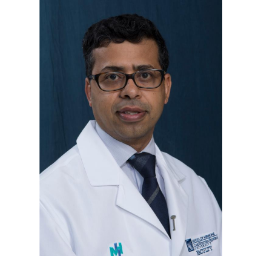
Sanjay Gandhi, MD, MBA, FACC |
|
Dear Ohio-ACC Colleague,
It is my pleasure to invite you to the Ohio-ACC 2020 Virtual Annual Meeting on Saturday, October 24. Our meeting co-chairs Dr. Ashish Aneja and Dr. David Harris, along with their planning committee, have designed an excellent agenda that is accredited for CME, CNE, MOC, and CPE. To bring you membership value during these unprecedented times, the registration is free. Register today! Topics include:
- Service Line Strategies for Optimizing Practice in Post-COVID-19 Era & Management & Reimbursement in the Era of COVID-19
- Cardiovascular Disease Considerations in COVID-19
- What’s New in the Diagnosis & Management of Cardiac Amyloidosis
- Evaluation & Management of Chemotherapeutic Cardiotoxicity
We would like to thank our meeting sponsors: Alnylam (Platinum), AstraZeneca (Platinum), Cincinnati Children's (Gold), Janssen (Gold), and Portola (Gold).
|
|
ACC Virtual Legislative Conference
Registration is now open for the ACC’s Virtual Legislative Conference from Oct. 4-6. This year’s conference occurs at an unprecedented time. Over the last several months, COVID-19 has underscored the importance of ACC’s advocacy work on behalf of clinicians, patients, and the entire medical community. Thanks to this work, many cardiovascular policy priorities have been included in each COVID-19 legislative relief package, including vast telehealth waivers and flexibilities, billions for PPE and testing, and expanded access to home health services for Medicare beneficiaries, and more.
To register, click here and fill out the online registration form. For questions about the conference, email advocacyleg@acc.org or call (800) 435-9203. Updates on speakers and other activities will be posted at ACC.org/LegislativeConference over the coming weeks. Stay tuned to @Cardiology on Twitter and use the #ACCLegConf for updates and to engage in discussions before during and after the event.
ACC Joins Other Societies Urging Congress to Act on Cardiac Rehab
The ACC has joined with eight other medical specialty societies on a letter to Congress urging “the inclusion of the Increasing Access to Quality Cardiac Rehabilitation Act of 2019 ( H.R. 3911/S. 2842) in any future legislative package.” The letter, organized by the American Heart Association, also asks Congress to require the Centers for Medicare and Medicaid Services (CMS) “to allow the temporary provision and reimbursement for telehealth delivered home-based cardiovascular rehabilitation/pulmonary rehabilitation services for the duration of the COVID-19 public health emergency.” Read the full letter here. |
|
Congratulations to the Newly Elected Ohio-ACC Board of Trustees |
|
 |
Congratulations to the winners of the
2020-2022 Ohio-ACC Board of Trustees Election:
Cardiovascular Surgical Position
George M. Dimeling, MD, FACC
Pediatric Cardiologist Position
Deipanjan C. Nandi, MD, FACC
VA Position
Jose Ortiz, MD, FACC
District 1 – CWRU MetroHealth
Ashish Aneja, MD, FACC, FASE, FSCMR
District 1 – Cleveland Clinic
Michael D. Faulx, MD, FACC
|
|
|
|
District 2 – The University of Toledo
Rajesh Gupta, MD
District 3 – Akron Area
Kenneth D. Varian, MD, PhD
District 4 – Columbus Area
Michael W. Tempelhof, MD, MSc, FACC, FSCAI
District 5 – Dayton Area
Haseeb Jafri, MD, FACC, FHRS
District 6 – Cincinnati Area
David Michael Harris, MD, FACC, FASE, FSCMR
|
|
|
|
In Memoriam: Tanya Verga, RN, BNS
It is with sadness that I inform you of the passing of one of our former Ohio-ACC CV Team Council Members, Tanya Verga, RN, BSN. Ms. Verga was involved with the Ohio-ACC and played an active role in promoting CV Team activities and educational programs. She was also a strong patient advocate at both the state and national levels.
Contact Us
If Gwen Goldfarb, our chapter executive, or I can be of assistance to you, please let us know.
Sincerely,
Sanjay
|
|
Fellow in Training Activities |
|
Ohio-ACC FIT Bootcamp
On August 15, the Ohio-ACC held its first-ever Fellow in Training Virtual Bootcamp designed for first-year fellows and future cardiology applicants, which was led by Dr. Saima Karim and Dr. Meera Kondapaneni.
With more than 180 registrants, it was a robust event filled with workshops, lectures, and panel discussions.
|
|
Ohio-ACC ePoster Competition
This year, FITs, residents, and CV team members have the opportunity to be part of the ePoster Competition held in conjunction with the Ohio-ACC Virtual Annual Meeting. Abstracts accepted for presentation at the Ohio-ACC Virtual Annual Meeting will be available On Demand through the ePoster Portal. With this exciting format, participants will showcase their posters along with MP4 voice-over PowerPoint presentations of their submissions. Stay tuned!
|
|
Congratulations to the 2020-21 Ohio-ACC FIT Council |
|
|
Zarina Sharalaya, MD, Cleveland Clinic, Co-Chair
Jeremy Slivnick, MD, The Ohio State University, Co-Chair
Julie Aldrich, MD, Nationwide Children’s Hospital
Obadah Aqtash, MD, University of Cincinnati
Michael Biersmith, MD, The Ohio State University
Anudeep Dodeja, MD, The Ohio State University/Nationwide Children’s, Advanced Fellow Representative
Sideris Facaros, MD, Summa/NEOMED
Megan Gruber, DO, Aultman Hospital/Canton Medical Education Foundation
|
|
|
|
Scott Janus, MD, University Hospitals of Cleveland Medical Center
Mobasser Mahmood, MD, Mercy Health- St Vincent Medical Center
Mohamed Farhan Nasser, MD, MetroHealth Medical Center
Salik Nazir, MD, The University of Toledo
Sarah Pradhan, MD, Cincinnati Children’s Hospital Medical Center
Jennifer Riggs, MD, Cleveland Clinic
Mitchell Stelzer, DO, MPH, Doctors Hospital
James Tollefson, DO, Kettering Medical Center
|
|
|
|
Spotlight on Ohio Women in Cardiology:
Heather Gornik, MD
Zarina Sharalaya, MD
|
|
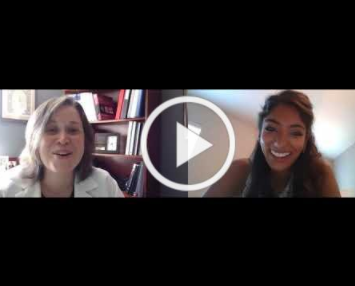
For this edition of Spotlight on Ohio Women in Cardiology, I am honored to highlight Heather L. Gornik, MD. Dr. Gornik took the time to record a great conversation about her career, her mentors, and things that she has learned along the way. |
|
ZS: What was your inspiration to pursue cardiology and subsequently vascular medicine?
HG: Well it's a long story. Like all things, I think people's career paths take different twists and turns. I knew I wanted to be a doctor from early on. I started my internal medicine residency and actually thought I was going to be a cancer epidemiologist at that point. But I soon learned that what I loved to do clinically was care for critically ill patients. I was really interested in critical care and then became very interested in the physiology- Starling curves, fundamental Ohm's law-- I loved how critical care and cardiology both relied on a lot of physiology. I actually initially planned a combined cardiology/critical care fellowship at Brigham and Women's Hospital. The plan was to do cardiology first, but then during my second year of cardiology fellowship I met Dr. Mark Creager who became my mentor. Dr. Creager is really a master clinician, a vascular medicine specialist, and a translational vascular researcher. He was head of the vascular medicine group at Brigham and Women's Hospital. It was a very dynamic group (with Drs. Josh Beckman, Marie-Gerhard-Herman, and others), and the group was very interested in vascular physiology but also clinical vascular medicine and vascular ultrasound. I guess I really loved the work of that group. I worked in their research laboratory. I loved the fact that vascular medicine had so much physiology in it, so I decided to combine my interest in cardiology and vascular medicine. I never did that critical care fellowship, but I think it worked out okay.
ZS: What do you enjoy most about your career in cardiology?
HG: Well I love what I do- vascular medicine is a terrific adjunct to cardiology. I have a large outpatient practice, including some general cardiology, and I take care of vascular disease. My focus over the years has become complex vascular diseases, and I have become very interested in fibromuscular dysplasia (FMD) and arterial dissections. It has been really exciting to see how things have evolved in terms of FMD and SCAD (spontaneous coronary artery dissection). I also take care of venous thromboembolism, peripheral artery disease. What I love about my practice in vascular medicine is how it involves the heart but also the entire cardiovascular system, and I get to use so much of my clinical skill. I also have an inpatient consultative practice. Through my career, I've been able to do things academically and administratively, so it's been a nice variety in the ways I've been able to develop.
ZS: Did you have a mentor that influenced your decision to pursue cardiology?
HG: Most of my primary mentors along the way have been men. Dr. Creager was a big influence on me as was my residency program director, Dr. Marshall Wolf. I also had other great clinical mentors in my fellowship. At Cleveland Clinic I had a senior mentor and colleague- Dr. Jerry Bartholomew. During training, Dr. Marie Gerhard-Herman was a terrific role model for me.
ZS: Did you have any hesitancy in pursuing cardiology as a specialty and if so, how did you manage or overcome this?
HG: I was in a place where the cardiologists were tremendous clinicians and the cardiologists were often our role models. I was really interested in clinic medicine, bedside diagnosis, and being a good doctor/clinician. I definitely remember going to interviews and being the only woman there on interview day or walking into conference rooms for cardiology lectures and there were only one or two women. I guess I never really let that deter me. I always stuck to the fact that I felt that "this was the field for me." It fit my interests, I had good mentors who told me I was a good fit for the field. I didn't let the fact that women are a minority in cardiology bother me. With that being said, along the way you definitely take notice.
ZS: Is there anything you would have done differently along the way?
HG: I know Zarina that you're going into interventional cardiology, and I think that's terrific. I've had some wonderful interventional cardiology friends, including Dr. Laura Mauri. There weren't that many women doing intervention back when I trained, and there still aren't. I do peripheral vascular disease and I am very happy, but I do think that interventional skills add an interesting set of tools to one’s portfolio and add diversity to one’s practice. Sometimes I wonder "what if…” I think it turned out great for me and that ship has sailed…but that may have been something I would have considered.
ZS: What would you do instead if you did not pursue a career in medicine?
HG: That’s tough because I've been lucky to find “little hobbies” within medicine. I edit a journal (Vascular Medicine), I've been very active with professional societies. I'm really interested in big events and engaging people…perhaps I may have done something in the political arena. But medicine is something I always wanted to do, and there's so much diversity in a medical career…it's hard to imagine doing something else.
ZS: In your opinion what is the biggest barrier to women pursuing cardiology and how can we work to change this?
HG: Well I think there are two barriers- one is that experience of walking in the room and being the only woman. You have to be tough and lead with your passion for the field. You have to lean in and speak up and not let that dynamic intimidate you. I think that is very important. Second, I think there are microaggressions that one faces along the way. I think you do grow somewhat thickened skin, and you have to learn to let it bounce off you. I think you just have to power through and just stay confident in your passion for the field, the things you have to contribute, and your achievements. I think focusing on these positives can help make a path ahead. Also, it’s important to acknowledge that it's tough, and "I'm feeling something in this room…I'm the only woman…I'm feeling awkward"…it's okay to feel that way. But stick it out, seek support from mentors and other colleagues (both male and female) in the field. We need more women in cardiology. We have so much to contribute- different perspectives, terrific energy, terrific outcomes- we need to realize the path is somewhat challenging, but it's also very possible. There's room for many more women in cardiology.
ZS: Can you share a fun fact or unique quality about yourself?
HG: I have an amazing family and am very blessed (especially during this pandemic time). I have an amazing husband (Dr. Tim Gilligan). He's a medical oncologist and he and I met during our residency at Brigham and Women's Hospital. He helps keep me safe and sane. I have two kids- my daughter just turned 17. It's hard to imagine I was pregnant with her when I was a chief resident. I also have a 12-year old son. Life's been a lot simpler in quarantine: in-person meetings are gone, travel is gone, and I'm spending a lot of time at home. My husband's been making some amazing Sichuan food… and as a result, I’m battling the “COVID-20” like many of my patients. We’re trying to take it day by day during this difficult time.
|
|
3rd Annual Midwest Women in Cardiology
Symposium
|
|
3rd Annual Midwest Women in Cardiology Virtual Symposium
7:45 a.m. - 4:15 p.m. | September 12, 2020
Join your colleagues to learn more about important topics such as diversity and inclusion, coronary artery disease in women, cardio-obstetrics, structural heart disease, the business of medicine, the healthy heart, and mentorship and sponsorship for women in cardiology.
|
|
Telehealth and Medication Management
Chris Tanski, PharmD, BCCP, BCPS
|
|
Covid-19 precipitated a rapid shift in healthcare delivery methodology from in-person care to telemedicine during the first half of 2020, with an IQVIA Medicare survey suggesting only about 9% of patient interaction was telehealth prior to the pandemic and over 50% during the height of the pandemic period1. While many providers have returned to in-person services, the same survey suggests providers expect telehealth to comprise nearly 20% of patient interaction even after the pandemic subsides. Telehealth services were utilized at a low rate by underserved populations (Medicaid, rural, and low-income households) prior to Covid-192. Unfortunately, preliminary research into telehealth during Covid-19 continued to show an imbalance in virtual visit utilizations for female, non-English speaking, older, and poorer patients3. This shift suggests it is essential we begin to optimize delivery and access of telehealth services, and one outcome that has been explored significantly in the telehealth and mobile health (mHealth) space is medication adherence.
Mobile Health interventions to improve medication adherence have shown some positive results but have also been held back by limitations like short study duration and heterogeneity between studies. Mobile apps claiming to improve medication adherence exist, but the vast majority lacked HCP input in their design as well as clinical trial testing to validate their tools4. The U.S. Health and Human Services population health focused Community Preventative Services Task Force (CPSTF) explored mHealth solutions like text message reminders or web-based educational content tailored to disease state and determined they can improve medication and treatment adherence in newly diagnosed patients as well as medication adherence for patients with chronic diseases when used regularly5. A small digital competency survey of elderly atrial fibrillation patients suggested an individualized approach towards mHealth tools based on variables like age, gender, support structure, and educational level may be necessary, and it’s reasonable to suggest those considerations would apply to the broader cardiovascular patient population6. It remains to be seen what the most effective methods of improving medication adherence will be through virtual encounters, but a combination of active processes like calls from a practice nurse or pharmacist and passive processes like mHealth reminders may be ideal for a telehealth-enabled practice to improve medication adherence, and by extension, patient outcomes. The challenge now is to effectively build these solutions into patient encounters as we continue to see increased utilization of telemedicine.
RESOURCES
Text messaging reminder finding and rationale statement
Telehealth workflow and best practices
Remote patient monitoring toolkit
Telemedicine pharmacy services testimony
|
|
Heartbeat Health: Telemedicine Platform Specifically for Cardiology |
|
Heartbeat Health is the first telemedicine and virtual care platform designed specifically for cardiology, by cardiologists. Heartbeat takes a digital first approach to heart disease management through a provider and patient-facing app that adds remote patient monitoring, guideline support and clinical oversight to telehealth. Started in 2017, Heartbeat has managed over 50,000 patients with best-in-class outcomes regarding cardiac care and cost-reduction. Its recent collaboration with the American College of Cardiology (ACC) establishes Heartbeat as the first scaled platform for cardiologists across the United States. Heartbeat is available at no cost for ACC members -- you can find out more and sign up directly here: https://www.heartbeathealth.com/acc/
|
|
AUC Education & Testing through 2021
CMS extended the Educational and Operations Testing Period for the AUC program through 2021. The testing period was slated to end on Dec. 31, but the ACC and others advocated for a delay to the official start of the program given the need for clinicians to focus resources and energy on changes to patient care and practice management as a result of COVID-19. Additional information is also available on the CMS AUC Program website and ACC’s AUC page, https://www.acc.org/auc.
Clinical Spotlight Series
The ACC's new Clinical Spotlight Series shines a light on best practices and emerging science across practice-changing topics in care. Ensure you are up to date on the safety and efficacy of the newest therapies, and cultivate your skills in applying the latest clinical information into patient care. Test your knowledge and sharpen your skills with all of the activities in the Clinical Spotlight Series.
Heart Failure Center of Excellence Resource Page
Visit the new Heart Failure Center of Excellence resource page, a collaborative effort between the American College of Cardiology and Medscape focused on the prevention and treatment of heart failure. View commentary on the latest advances, perspectives, cases, and reviews from the Journal of the American College of Cardiology (JACC) and JACC: Heart Failure.
CardioSmart Debuts New Website for Patients, Clinicians
ACC’s new CardioSmart website is designed to emphasize the value of the patient and clinician partnership to personalize care. With the goal of better connecting patients with their clinicians to prevent or treat heart disease, the new CardioSmart.org provides information on heart conditions and trusted resources and tools to support important health conversations and foster a strong partnership. “Our new website is user-friendly, for both health care professionals and patients. Clinicians can refer patients, and patients can effortlessly find the information they need to aid in making key health decisions,” said Martha Gulati, MD, FACC, editor-in-chief of CardioSmart. “We continue to evolve and develop the resources our members want for our patients, be an up-to-date reliable source for everyone and improve the ease with which everyone can access information, whether from a clinic setting or at home.” Learn more. |
|
The Ohio-ACC is committed to promoting the clinical and academic growth of its members across the state and facilitating interaction between members and their hospital systems and practices. To that end, we have set up a Grand Rounds Hub on https://www.ohioacc.org. If you have a lecture that you would be willing to give for grand rounds or other meetings to audiences across Ohio, then we welcome you to be a part of our Grand Rounds Hub. Please respond via this link. |
|
|
|
|
|
|