Teaching After Georgia Victory
and Attempted Coup
|
|
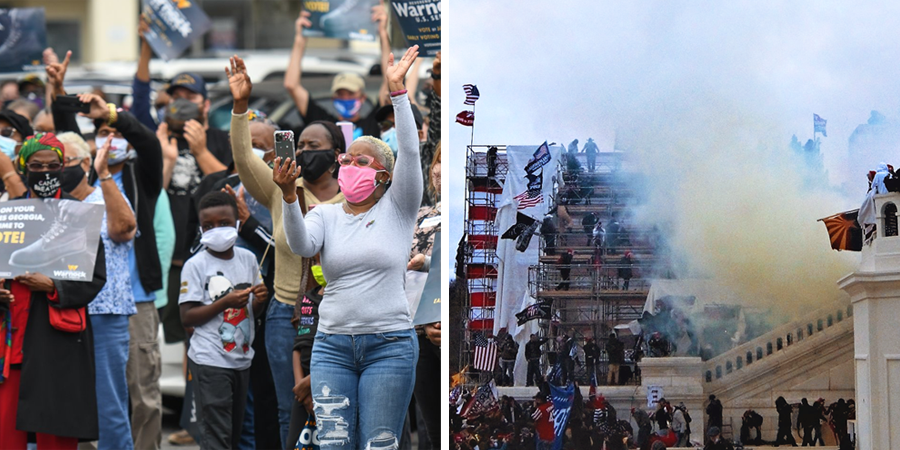
Credit: Senator-Elect Rev. Raphael Warnock Campaign (left) and Tyler Merbler via Flickr (right) |
|
Being a teacher wasn’t easy last week. As the terrifying attempted coup took place on Wednesday, educators struggled to show up for students, to hit the right tone in class on Thursday and Friday.
They neither ignored the headlines nor rushed to “teach” events that were still unfolding, but provided students space and support for questions, discussion, and sharing.
We salute you.
In the coming days, educators will take time to reflect on how to provide students a fuller, more robust context for what happened and for the years ahead. Trump may be leaving, but the deep roots of Trumpism — white supremacy, nationalism, nativism — will continue to demand our activism and attention.
Below are some suggestions for framing this current moment.
|
|
The Long Struggle for Voting Rights:
Do Not Erase the Victory in Georgia
|
|
On January 5th, two new Democratic lawmakers from Georgia were elected to the U.S. Senate, one of whom will be only the 11th African American senator in our history.
This victory was won through the tireless, smart, and creative organizing of voting rights activists, led by Black women like Stacey Abrams, Deborah Scott, Felicia Davis, Helen Butler, Nse Ufot, and countless others in organizations such as the New Georgia Project, Black Voters Matter, Fair Fight, Mijente, and more.
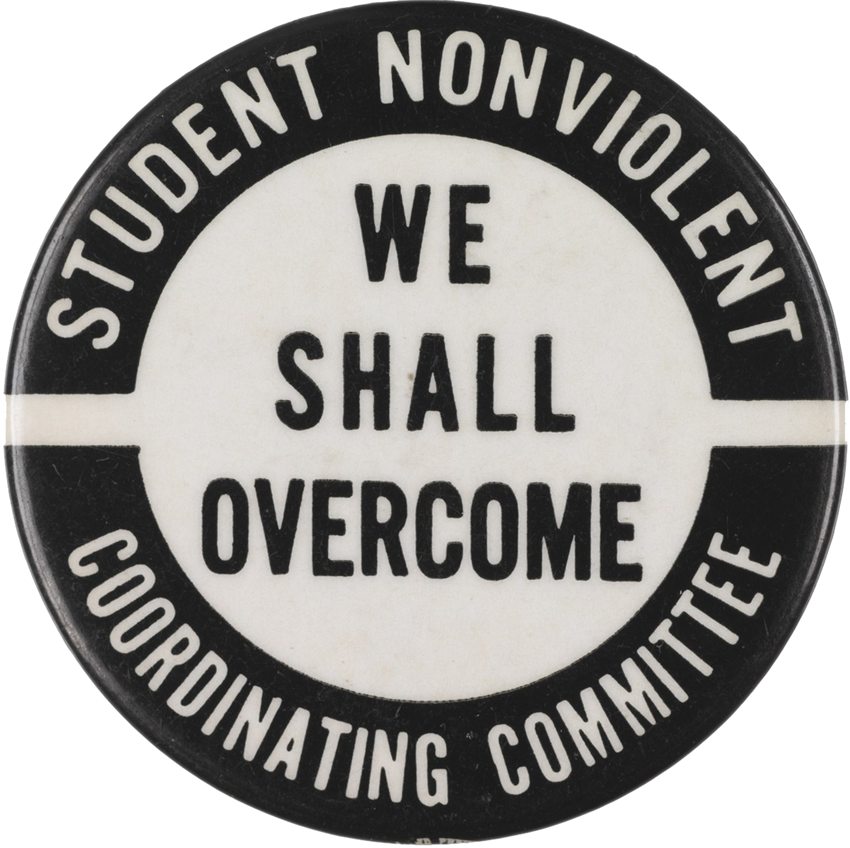
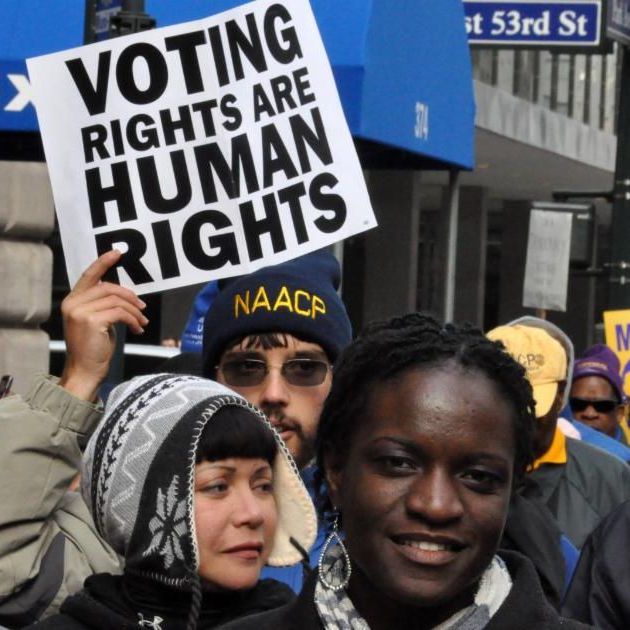
Teach students about grassroots anti-racist organizing and the long struggle for voting rights.
|
|
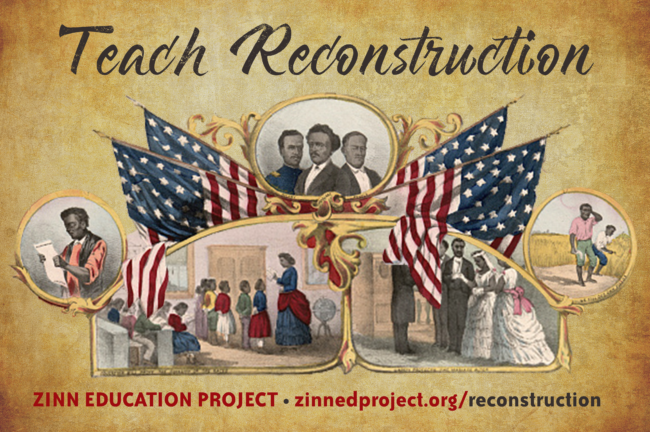
Political Violence to Undermine Democracy in the United States Is Not New: #TeachReconstruction |
|
This week we heard from a teacher whose students, in the midst of a unit on Reconstruction, connected the victory in Georgia and the white supremacists at the Capitol seeking to stop the certification of Joe Biden’s election.
Indeed, January 6th was a snapshot of a larger pattern in U.S. history. Again and again, advancements in the freedom of Black people are met with white violence and an upsurge in white supremacist organizing. Reconstruction is a critical example.
Teach students about Reconstruction as a period of multiracial, democratic possibility undone — though not completely — by white supremacist terror.
|
|
 |
Through the Teach Reconstruction Campaign, we offer lessons, a student project to make Reconstruction history visible in their communities, recommended teaching guides, student friendly books, primary document collections, and films. |
|
|
|
|
|
|
Where Do We Go from Here? |
|
The House of Representatives may impeach President Trump for his role in inciting last week’s Capitol insurrection. A few Republican officials have joined Democrats in decrying the president’s conduct, although many politicians call for “reunifying” the country.
After the Civil War, elites devoted themselves to bringing traitorous Confederates back into the fold rather than delivering reparations for African Americans who had suffered 250 years of unspeakable abuse — and theft.
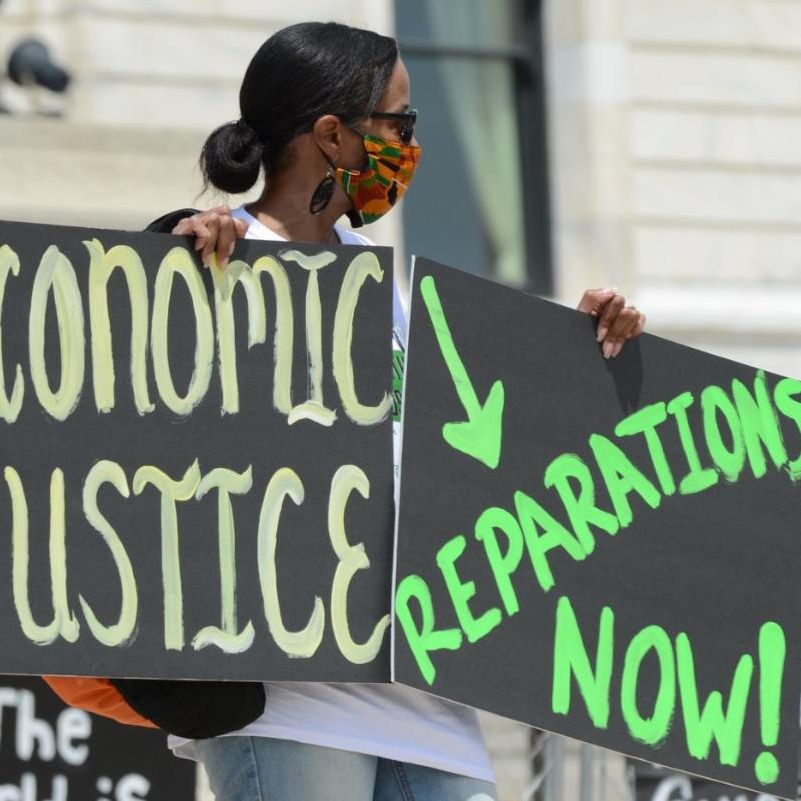
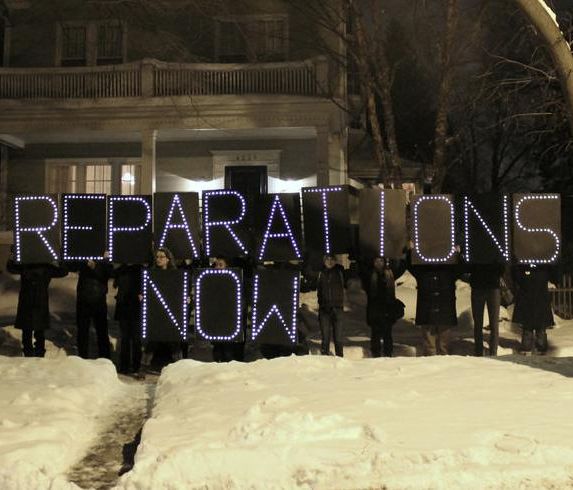
Teach students about the long movement for reparations, in the United States and elsewhere, to help them reflect on what a path toward justice might look like today.
|
|
|
|
|
|
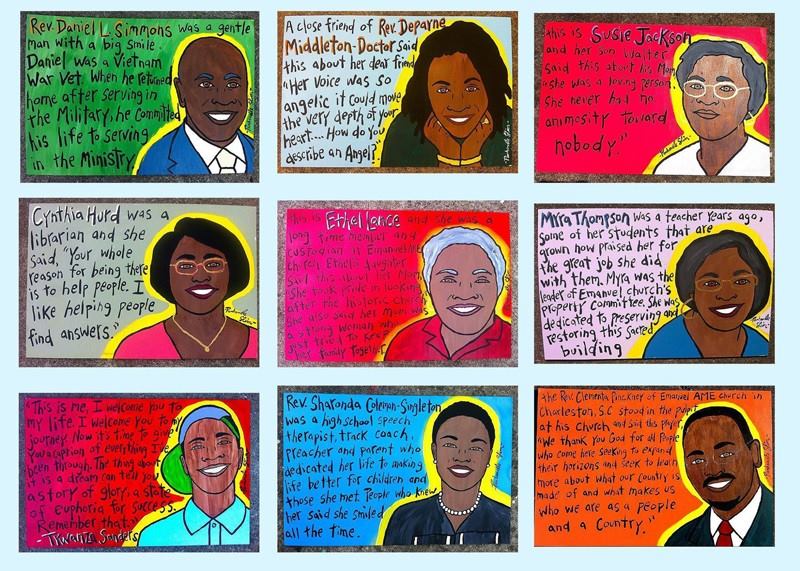
In How to Make Amends: A Lesson on Reparations, students meet dozens of advocates and recipients of reparations from a variety of historical eras to grapple with the possibility of reparations now and in the future. |
|
|
|
These are just a few of the issues surfaced by the events of last week. Check out additional lessons at the Zinn Education Project website on white supremacy, terrorism, the media, voting rights, and more. |
|
You're Invited:
Rethinking Schools Book Launch
|
|
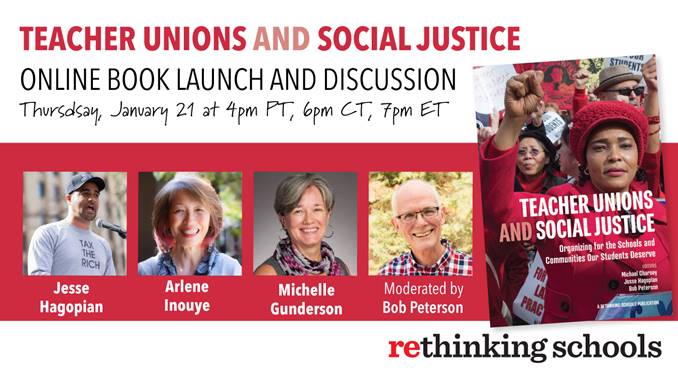
On Jan. 21, join a conversation about Teacher Unions and Social Justice, a new Rethinking Schools book about the promise of social justice teacher unionism. The event is hosted by Rethinking Schools, one of the two organizations that coordinates the Zinn Education Project. ASL interpretation will be available.
Register (free) to receive Zoom access, a free copy of the book’s introduction, and a 20% Rethinking Schools discount code.
|
|
Support People's History Students |
|
|
|
PO BOX 73038, WASHINGTON, D.C. 20056
|
|
|
|
|
|
|