¡Versión en español a seguir! |
|
This month we focus on supporting children's physical activity and nutritional well-being through our work with families! |
|
Community Partnerships
Use Community Resources to Strengthen Program Quality
|
|
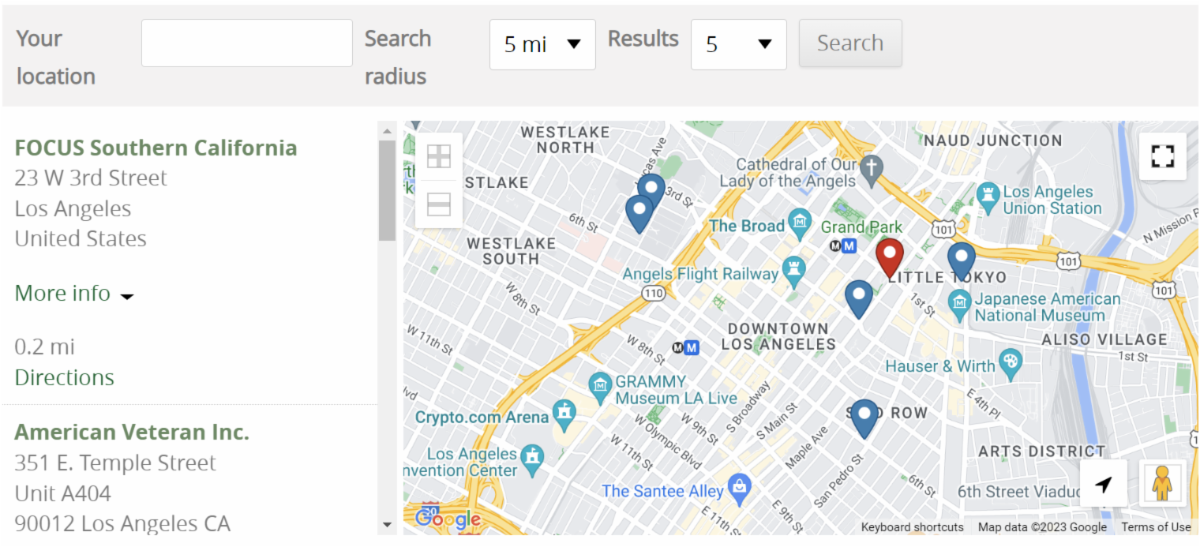
Having access to nourishing food is something young children and adults all deserve, as a basic human right. Support families in your program by connecting them with the Los Angeles Food Bank and their resources - including:
|
|
Knowing and using these community resources will support PAS: Item 17- Family Support Involvement, BAS: Item 8-Community Resources, and NAEYC Accreditation: Standard 7-Families |
|
Welcoming Environment
Ensure Your Program Feels Inviting
|
|
Family Style Meals in the Childcare Setting |
|
The Arizona Department of Health Services offers this wonderful 9-minute video, "Family Style Meals in the Childcare Setting," that discusses the value of using family style meals to support healthy eating habits, collaborative meal time, and teaching children new skills - all while using a growth mindset. Consider using these tips to create a welcoming environment at meal time or share with families!
|
|
|
This resource will support ECERS-R: Item 9 and FCCERS-R: Item 35- Provisions for Parents, PAS: Item 16- Family Communications, and BAS: Item 7- Provider Parent Communications. |
|
Staff Development and Support
Enhance Your Family Engagement Knowledge and Skills
|
|
Trainings to Support Physical Activity & Nutritious Habits |
|
Physical Development: Fundamental Movement Skills
California Preschool Instructional Network (CPIN) is offering this 2-hour live, virtual training focused on core movement skills for young children. Participants will:
- Discuss the "ABCs" of movement development
- Provide the foundation for building more complex movement
- Review the creation of patterns of coordination
|
|
Monday, March 20th
5:30 - 7:30PM
|
|
Sesame Street in Communities (SSiC) offers this 1-hour recorded webinar, "Growing Healthy Bodies and Minds" to discuss the importance of healthy habits for young children and families.
By the end of the webinar, you’ll have:
- New ideas for helping families reduce food waste, plan nutritious, low-cost meals, and build healthy habits to last a lifetime!
Note: In order to watch the webinar and receive a certificate of completion, you will need to make a FREE account with SSiC.
|
|
|
These trainings support ECERS-R: Item 43- Opportunities for Professional Growth, PAS: Item 3- Staff Development, FCCERS-R: Item 37- Opportunities for Professional Development, and BAS: Item 1-Qualifications and Professional Development |
|
Family Partnerships
Work with Families to Build a Stronger Program
|
|
Head Start Resources for
Healthy Eating & Active Play
|
|
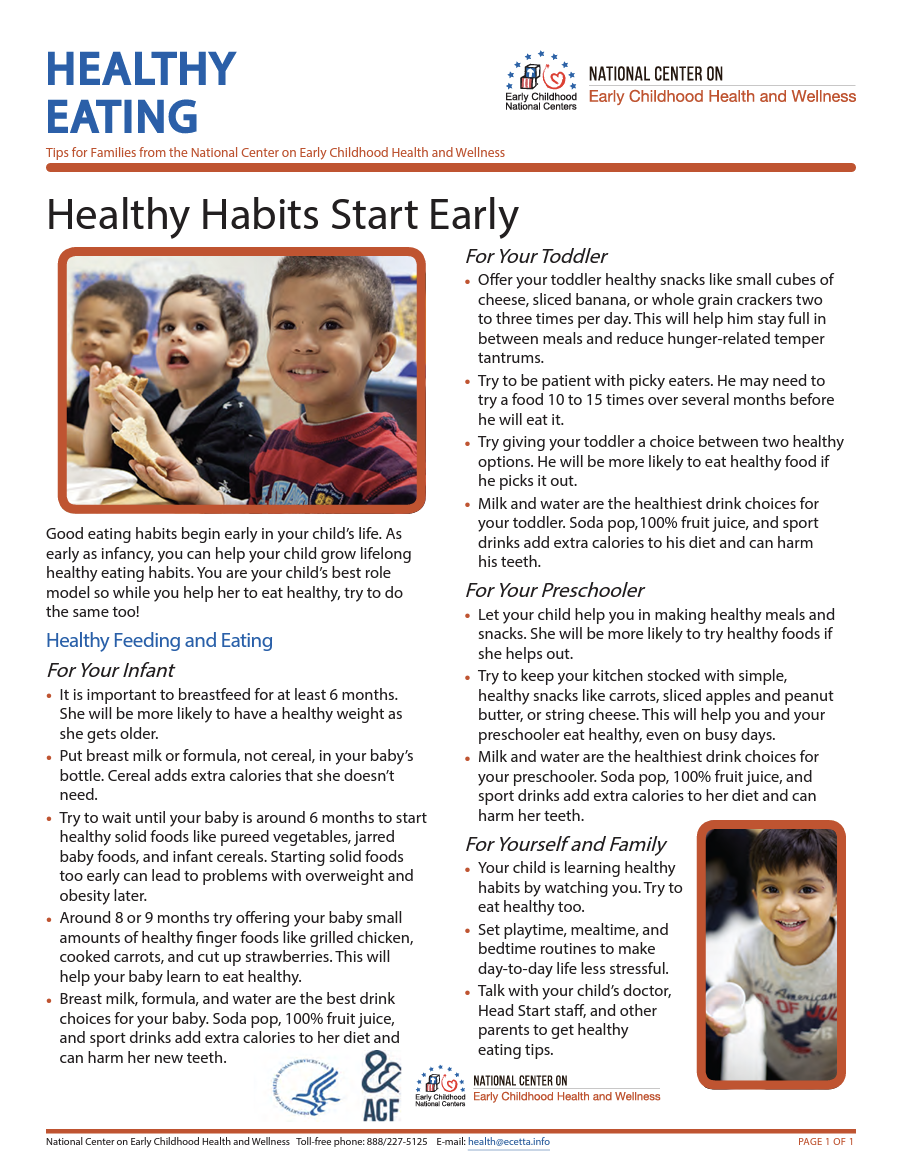
Healthy Eating: Health Tips for Families: In this 1-page fact sheet, you will find easy tips families may use to help their children learn healthy eating behaviors starting in infancy. Consider sharing this fact sheet at your next family education event, family-teacher meeting, newsletter, etc.!
-
Click here to access this fact sheet in Amharic, Arabic, Armenian, Burmese, Chinese, Hmong, Marshallese, Polish, Somali, Spanish, Vietnamese, and Yiddish!
|
|
Active Play: Health Tips for Families: This 1-page fact sheet offers tips families can use to help young children develop positive active play behaviors. It's definitely a great resource to share with families after workshops, one-on-ones, or at health fairs!
-
Click here to access this fact sheet in Amharic, Arabic, Armenian, Burmese, Chinese, Hmong, Marshallese, Polish, Somali, Spanish, Vietnamese, and Yiddish!
|
|
This resource will support ECERS-R: Item 38 and FCCERS-R: Item 35- Provisions for Parents, PAS: Item 16- Family Communications, and BAS: Item 7- Provider Parent Communications. |
|
Equitable Approaches to Supporting Children and Families
|
|
Play in Early Childhood:
The Role of Play in Any Setting
|
|
As Harvard's Center for the Developing Child shares, the science of child development points to three core principles that can guide what society needs to do to help children and families thrive. These include:
- Supporting responsive relationships
- Strengthening core life skills
- Reducing sources of stress
Play in early childhood is an effective way of supporting all three of these principles. In this video, learn more about how play can foster children’s resilience to hardship, and how the complex interactions involved when children play help build their brains.
|
|
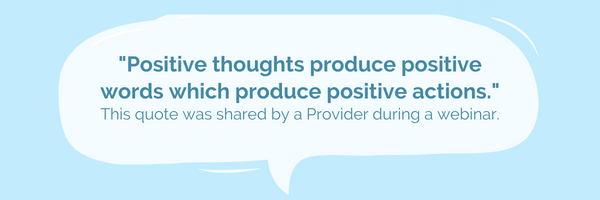
If you would like to share some inspiring words, click here! To see more provider perspectives, field related news, and early learning resources follow our social media accounts.
*These quotes have been edited for grammar and clarity.
|
|
Are you looking for support in another area?
|
|
Check out our QSLA pages below! |
|
Were you forwarded this email?
Would you like to sign up to receive our Family Engagement Newsletters?
|
|
|
|
|
|
|