REMINDER: YOUR SUBMISSIONS ARE ENCOURAGED | | |
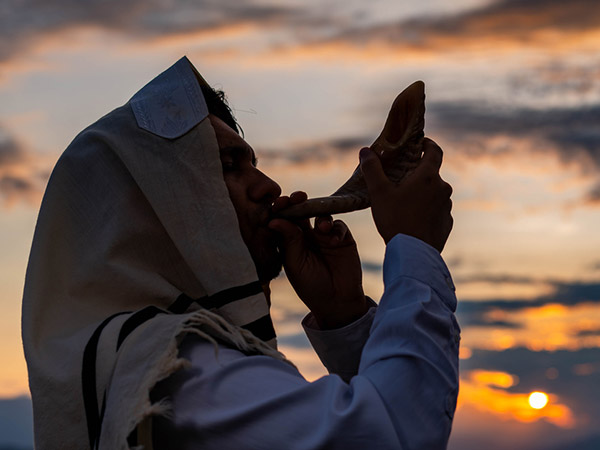
1. This week saw the conclusion of the Jewish High Holidays, which commenced with the observance of Rosh Hashanah on September 22nd & 23rd and concluded with the observance of Yom Kippur on October 1st and 2nd.
2. This week, in observance of National Hispanic Heritage Month, I would like to direct you to an online exhibition of Latina artists, presented on the National Museum of Women in the Arts' website.
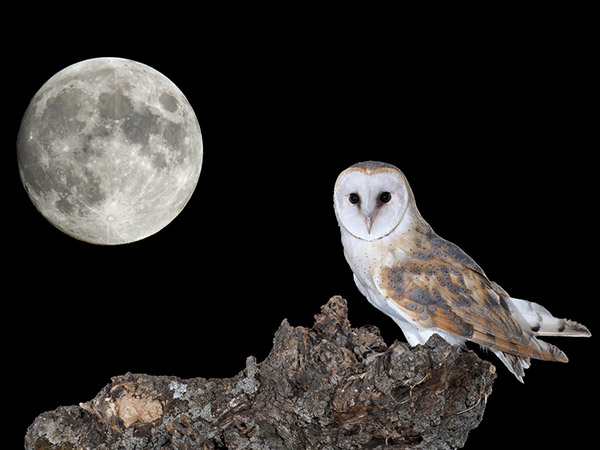
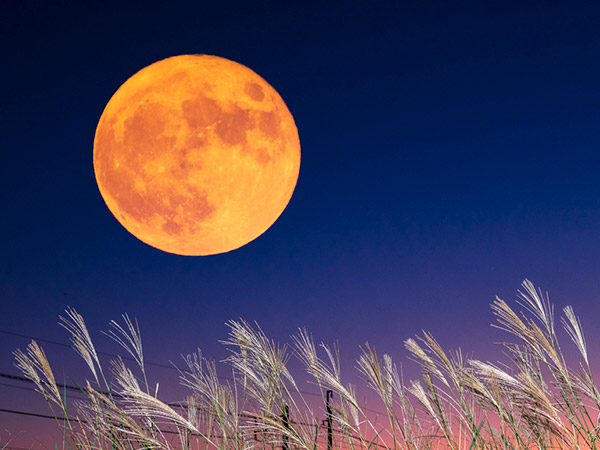
3. October's full moon, the Harvest Moon, will rise on Monday evening, October 6th. This week, we have a special treat in store, as the Harvest Moon will also be a Supermoon. To accompany that, I have some moon trivia and definitions.
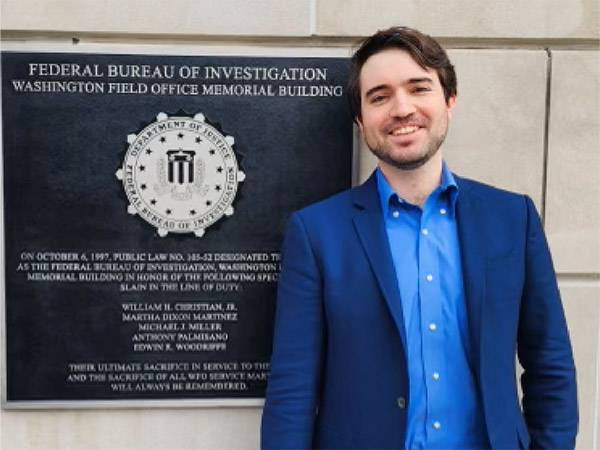
4. In the Next Gen, I'm catching up with the Flock's roving reporter William George sharing an article from the Washington Post where he contributed his insights on international trade and methods being exploited get around sanctions on Russia.
5. In Architecture, I have a tall theme this week with the completion of the world's tallest bridge in southern China, the resumption of construction on the world's tallest skyscraper in Saudi Arabia, and the tallest residential building in New York City.
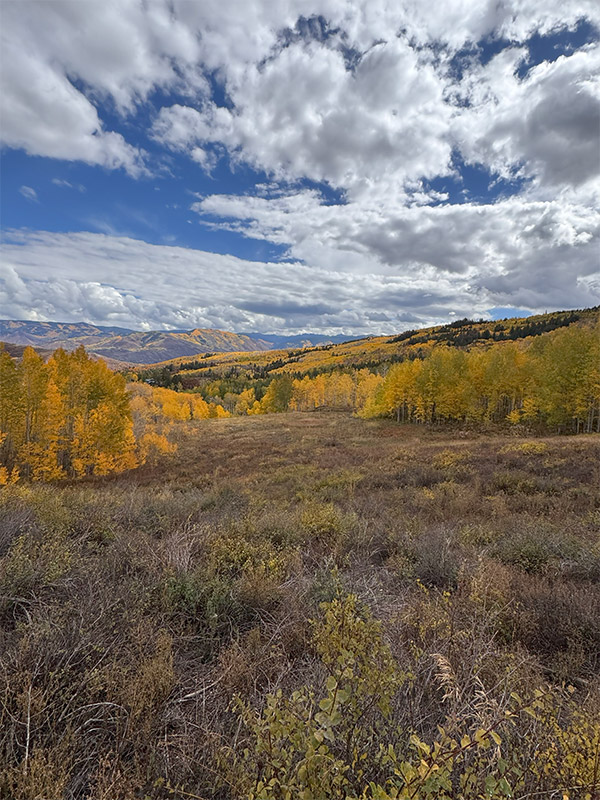
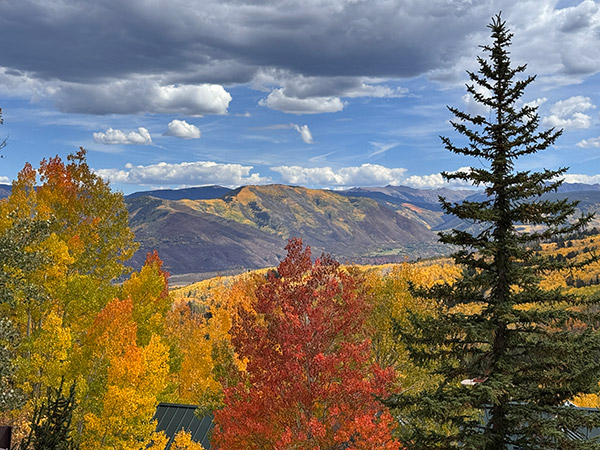
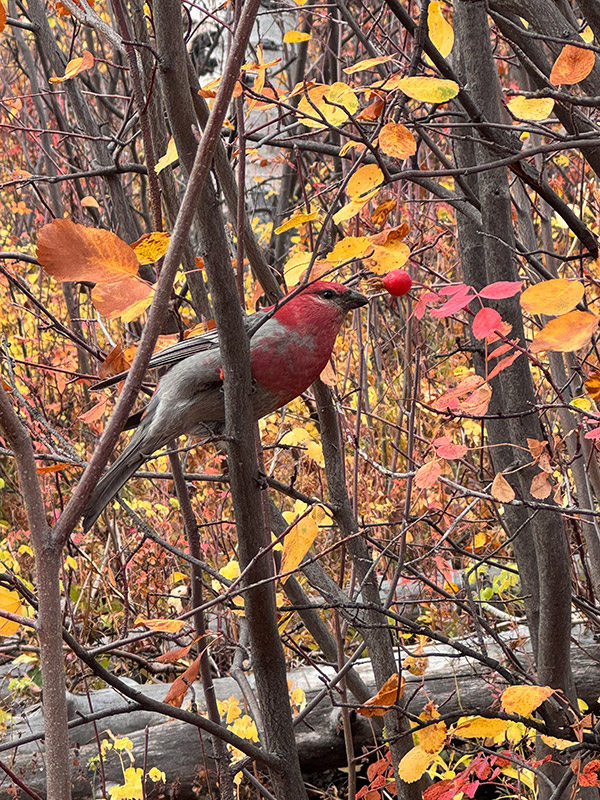
6. I have a Reader Submission this week from Cherie Storm, who has shared some lovely photos of the fall foliage around Aspen, Colorado.
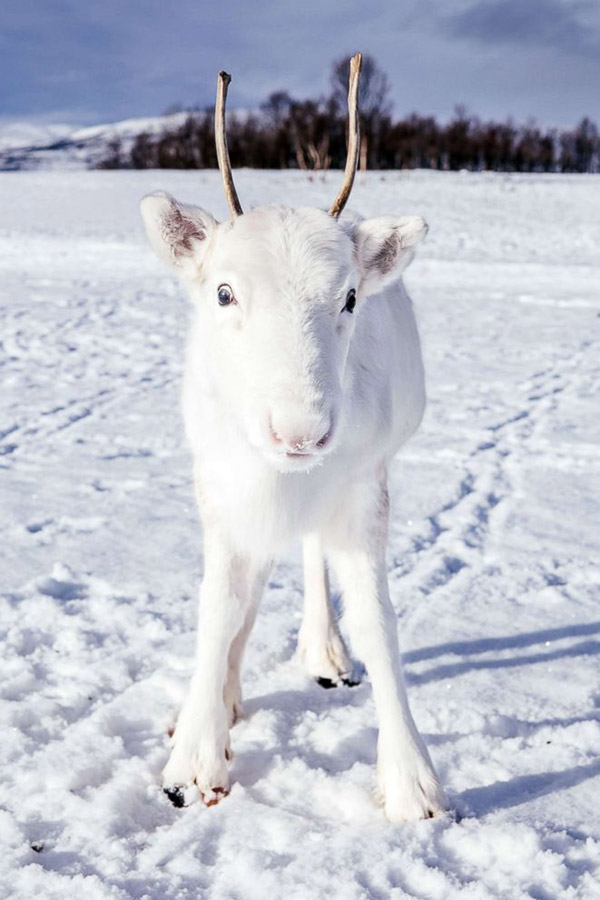
7. In Nature, I have an article about a photographer who chanced upon a rare white reindeer while hiking in Norway.
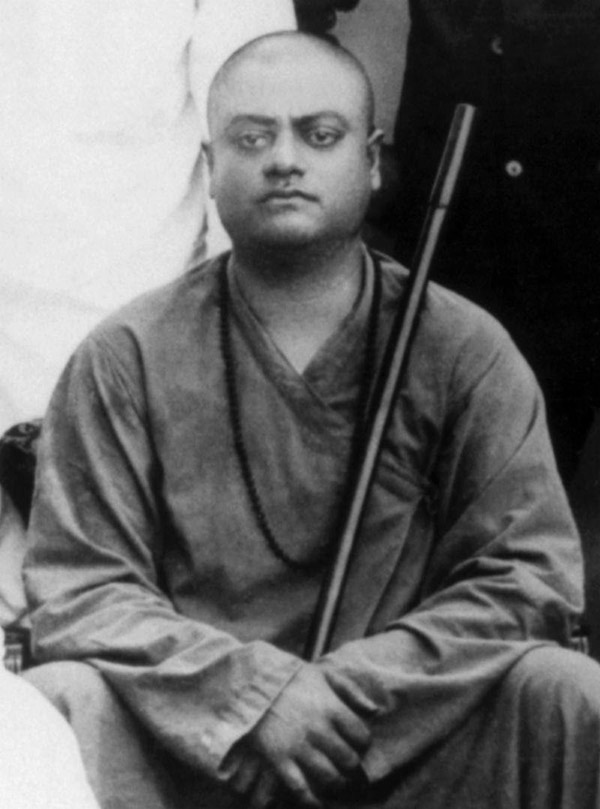
8. This week in Bindu's Corner, Bindu has shared a quote from nineteenth-century Hindu monk Swami Vivekananda on the most noble of virtues, charity.
I hope you will pick and choose, and read what might touch your heart, and that in a small way, I have been able to add a bit of comfort to your day. Please feel free to share the Flock…
| | Now, to this week's Flock. | | 1. Yom Kippur, October 1 – 2, 2025 | | The Jewish High Holidays(Yamin Nora'im), or the Days of Awe, ten days of relection began at sunset on September 22nd with the sounding of the shofar – a hollowed out ram's horn – to commence Rosh Hashana (the Jewish New Year) and ran until sunset this past Thursday, October 2nd at the conclusion of Yom Kippur ( the day of Atonement), observed with a 25- hour fast concluded with the Ne'ilah service followed by a second souding of the shofar before a Break-the Fast Meal (Seudat Mafseket). to all of my readers who observed the holidays, I hope you had a meaningful Yom Kippur and wish you a good year, Shanah Tovah. | |
This Yom Kippur, Consider the Caterpillar
The caterpillar is a creature on the cusp of ever-present change, and perhaps can teach us a lesson about ourselves as well.
| | From: 18Forty, By: Yehuda Fogel, September 24, 2020 | | |
It is all too common for caterpillars to become butterflies
and then maintain that in their youth they had been little butterflies. Maturation makes liars of us all.
— G.E. Vaillant, Adaptation to Life
As we enter Yom Kippur, change is on our minds. Have we changed? Will we change? Will this year be different than the past year, or will it be more of the same?
Although a less common image in Jewish literature, the butterfly is a powerful metaphor for change. As the quote from Vaillant above indicates, the disparity between the caterpillar and the butterfly signifies one deep aspect of change: the disconnect we so often feel between who we are now and who we once were. Kathryn Schulz, the author of Being Wrong: Adventures in the Margin of Error, writes that:
It takes courage to leave our past selves behind. But it takes even more to carry some token of them with us as we go: to accept that we have erred, recognize that we have changed, remember with compassion our caterpillar past. As difficult as this can be, the dividends are worth it. “The main interest in life and work,” said Foucalt, “is to become someone else that you were not in the beginning.”
Seeing ourselves as we once were—and seeing others that are where we once were—can be profoundly uncomfortable, as it serves as a reminder of the fact that we once were different. It is more comfortable to forget our caterpillar past, just as it is more comfortable to forget that our future selves will probably also try to forget our present selves. Even as we now emerge as butterflies to our past, we are also caterpillars to our future. We will yet change, and in all likelihood look back with a smile (or a grimace) at who we once were. And best of all—such is life. The process of becoming, ever becoming, is the process of life. And best of all—such is life. The process of becoming, ever becoming, is the process of life. It is not for nothing that God goes by the name “I am becoming that which I am becoming”—perhaps to become is godly.
Throughout history, Yom Kippur has been a time of such change, such becoming. The book of Jonah, which we read on Yom Kippur, is a book about change: change by the occupants of Tarshish, by the prophet Jonah, and perhaps even by God.
| | What Foods are Eaten During Yom Kippur? | | |
Pre-Fast Meal (SeudahHaMafseket):
- Bread and Challah: A simple meal often starts with bread, symbolizing sustenance.
- Chicken or Fish: Light proteins like chicken or fish are common, usually prepared without heavy sauces.
- Boiled Eggs: Eggs are often eaten, often dipped in salt water.
- Fruits and Vegetables: Fresh fruits and vegetables provide hydration and nourishment.
- Honey and Sweet Foods: To symbolize the hope for a sweet year ahead, honey and sweet foods are consumed.
- Water: It’s important to stay hydrated, so drinking plenty of water is encouraged before the fast begins.
Break-the-Fast Meal (SeudatMafseket):
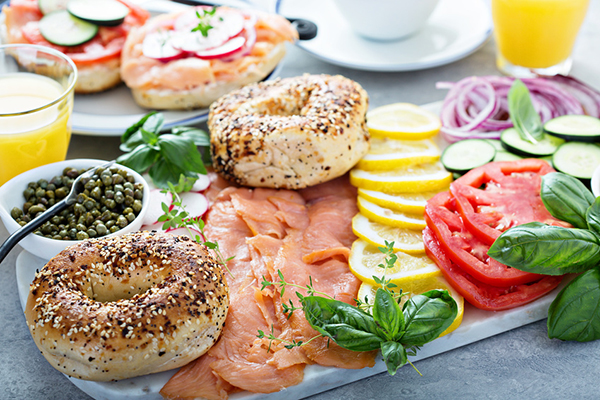
- Bagels and Lox: A classic choice for the break-the-fast meal, combining bagels with cream cheese, smoked salmon (lox), capers, and onions.
- Challah: Sweet challah bread is often present, symbolizing the sweetness of the new year.
- Kugel: A baked noodle or potato dish, often sweet or savory, is a traditional favorite.
- Honey Cake: A moist, honey-flavored cake is a sweet ending to the meal, symbolizing hopes for a sweet future.
- Fruit: Fresh fruit, like apples and pomegranates, is a refreshing addition.
- Drinks: Grape juice and wine are commonly enjoyed during the break-the-fast meal, often starting with a blessing (Kiddush).
| |
2. National Hispanic Heritage Month 9.15.25 – 10.15.25
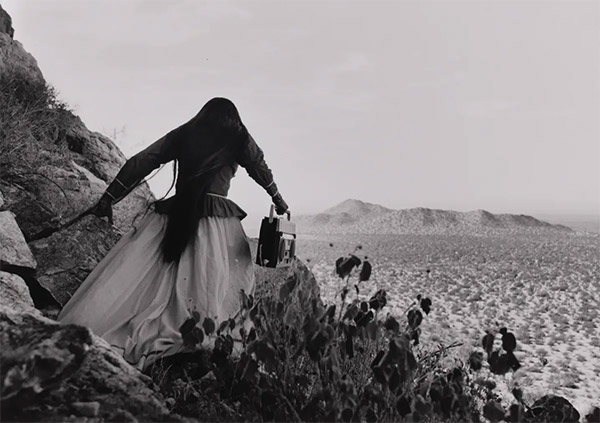
| | Graciela Iturbide, Mujer Ángel, Desierto de Sonora (Angel Woman, Sonoran Desert),
1979 (printed 2014); Gelatin silver print | In honor of National Hispanic Heritage Month, The National Museum of Women in the Arts in Washington, D.C. has posted an online exhibit highlighting the careers and works of five groundbreaking Latina Artists. | |
Online Exhibition:
Five Women Artists from Latin America
Explore five Latin American women artists from the museum’s collection.
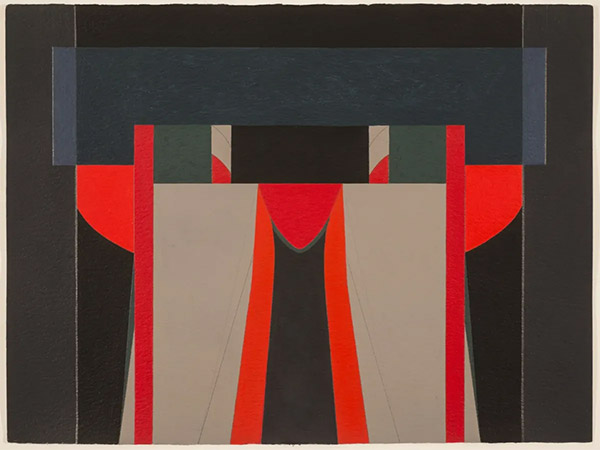
| | This online exhibition features five women artists from Latin America featured in NMWA’s collection: Maggie Foskett, Fanny Sanín, Elena Presser, Ana Mendieta, and Graciela Iturbide. Through photography, painting, performance, and mixed media, their works explore themes of belonging, memory, and transformation. | | Fanny Sanín, Composition No.1, 2003, Acrylic on paper | | Fanny Sanín (b. 1940, Bogotá) | | |
Fanny Sanín grew up in Colombia, and studied art at the University of Los Andes. Her emergence onto the art scene coincided with post-war European influences of geometric abstraction.
A prolific color field painter, Sanín repeats symmetrical design motifs characterized by blocky, simplified shapes consisting of two to five colors. Sanín’s paintings vary in size and composition, but each shares the artist’s unique aesthetic.
Her cohesive geometric works evoke a sense of calm in their methodical construction. One of the few female geometric abstraction artists, Sanín has breathed life into the genre, particularly at a time when other artistic genres often overshadow it.
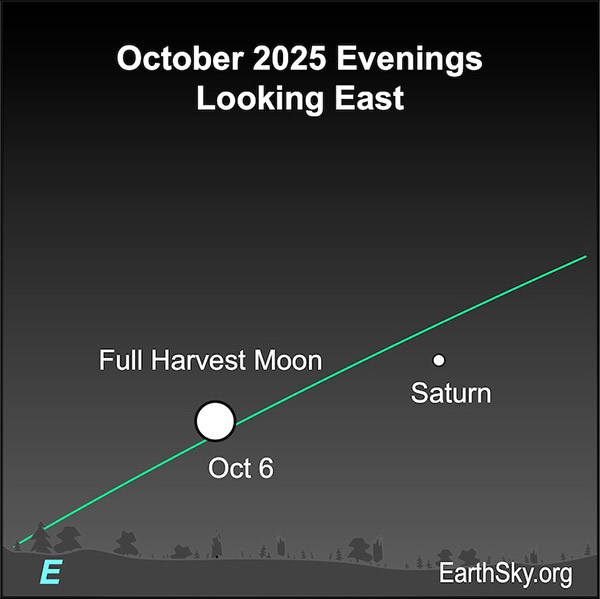
| | 3. The Heavens: October's Full Moon | | This coming Monday night will see the rise of the Harvest Moon, the traditional name of the full moon closest to the autumnal equinox. Monday's full moon will appear larger in the sky than normal because it will be at perigee, the nearest point in its orbit to the Earth, making it a Supermoon. | | The Super Harvest Moon Overnight on October 6-7 | | From: EarthSky, By: Deborah Byrd, September26, 2025 | | When and where to look in 2025: Look for the bright, round full moon climbing in the east at sunset on October 6, glowing in the south near midnight, and dropping low in the west just before sunrise on October 7. This is the full moon closest to the equinox, and so we call it a Harvest Moon. It’s also an especially close full moon: a supermoon. | | The 2025 Super Harvest Moon will lie near golden Saturn on the night of September 6-7. Saturn’s opposition – when it was opposite the sun from Earth – fell on September 21. A full moon is always opposite the sun. And Saturn is just past opposition, but still generally opposite the sun now, too. So it makes sense that this full moon and Saturn are close together. Check Stellarium.org for a precise view from your location | | The Following post first appeared in the February 9, 2024, issue of the Flock. | | From the Flock Archives: Lunar Phases | | |
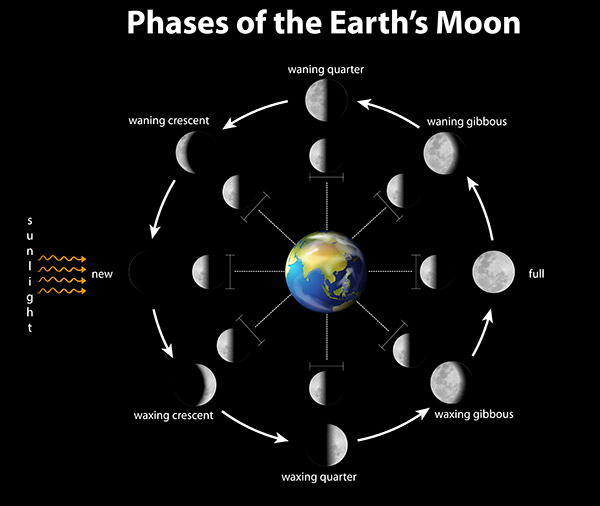
We always see the same side of the Moon, because as Earth's natural satellite revolves around our planet, the Moon rotates, causing the same side to always face us. And yet, the Moon looks a little different every night. Sometimes the entire face glows brightly. Sometimes we only see a thin crescent. Other times the Moon seems to disappear entirely. Why does the Moon's appearance change?
The moonlight we see on Earth is sunlight reflected off the Moon's grayish-white surface. The amount of Moon we see illuminated changes over the month — lunar phases — because the Moon orbits Earth and Earth orbits the Sun. Everything is moving.
What Are Lunar Phases?
Our Moon doesn't shine, it reflects sunlight. Just as it does in the daytime on Earth, sunlight illuminates the Moon's surface too. That is, the Moon has a day side and also a night side. And as the Moon orbits Earth each month, we do not have a continuous view of the entire side of the Moon that's facing the Sun. Most of the time, our view of the Moon looks toward part of the sunlit side and part of the dark side at the same time.
| | |
Waxing
The term "waxing" comes from the Old English word "weaxan," which means "to grow."
Waning
The term "waning" comes from the Old English word "wanian," which means "to decrease."
Gibbous
“Gibbous” means “convex, rounded, protuberant.” The OED says “gibbous” was first applied to the moon in 1690, though it came into English more than 200 years earlier.
Source: Columbia Journalism Review
Lunar Perigee
The point in the moon's elliptical orbit closest to the Earth.
Lunar Apogee
The point in the moon's elliptical orbit farthest from the Earth.
Supermoon
A "supermoon" appears to us as a larger-than-usual Moon in our night sky. A supermoon looks larger just because it's a bit closer to Earth. "Supermoon" is actually just a nickname for what astronomers call a perigean full moon – a moon that is full and at its closest point in its orbit around Earth.
Source: NASA Space Place
Micromoon
A Micromoon is when a Full Moon or a New Moon coincides with apogee, the point in the Moon's orbit farthest away from Earth.
Source: Time and Date
Blood Moon
A blood moon is the dramatic red glow of the moon during a total lunar eclipse.
Source: Space.com
Blue Moon
Seasonal Defdinitiion: Traditionally the definition of a blue moon is the third full Moon in an astronomical season containing four full moons.
Monthly Definition: This definition describes the blue moon as the second full Moon in any calendar month with two full moons. As February 2018 had no full moon in it, both January and March ended up with two full moons, so by this definition both months contained blue moons.
Source: Royal Museum Greenwich
| | Who Is The Man in the Moon? | | 4. The Next Gen: In The News with William George | | The Flock's favorite roving reporter and international shipping data analyst, Research Director for Import Genius William George, is in the news again in the following Washington Post article on international sanctions imposed on Russia as a consequence of their invasion of Ukraine. William is quoted about the tactics used to circumvent the sanctions. | |
With freeze on new Russia sanctions, Trump abandons key Biden tactic
Biden imposed new sanctions on Russia week after week, to build pressure to end the war in Ukraine. In his second term, Trump hasn’t imposed any.
| | |
New sanctions were a key economic weapon in the Biden administration’s response to the Russian invasion of Ukraine, used by the White House to apply mounting pressure on a near-weekly basis, at great cost to Moscow’s economic prospects and war effort.
That approach has fallen off: President Donald Trump hasn’t imposed any new sanctions on Russia since his return to office.
As Russian President Vladimir Putin has escalated attacks on Ukraine without a ceasefire deal in sight, the Trump administration has faced renewed pressure, including from Kyiv and U.S. lawmakers on both sides of the aisle, to enlist economic pressure to help force an end to the war. But in his most recent comments on the matter, Trump introduced a new condition for additional sanctions…
Although Ukrainian forces have made little progress in pushing Russian forces back along frontline positions, moves that cut Russia off from the international economic system are having an impact. Russian oil and gas revenue dipped after the first sanctions were imposed in 2022, and while Russia’s economy grew because of wartime spending, that growth is now slowing.
The Trump administration says it has maintained pressure on Moscow by leaving the U.S. sanctions infrastructure intact, but critics say that for the measures to maintain their effectiveness, they must be continually updated…
Russia is already under more international sanctions than almost any county, facing restrictions on trade in products including diamonds, enriched uranium and natural gas. The United States has also frozen billions in Russian assets and barred a number of Russian banks from SWIFT, a global messaging network critical to international bank transfers.
“Trade always tries to reroute along the path of least economic resistance,” said William George, a trade data analyst and director of research at ImportGenius, an Arizona-based company that specializes in trade data. “It’s very much like a whack-a-mole game with lots and lots of moles, and how easy it is to catch these new companies really depends on how much effort they’re putting into hiding themselves.”
| |
5. Architecture: The World's Tallest
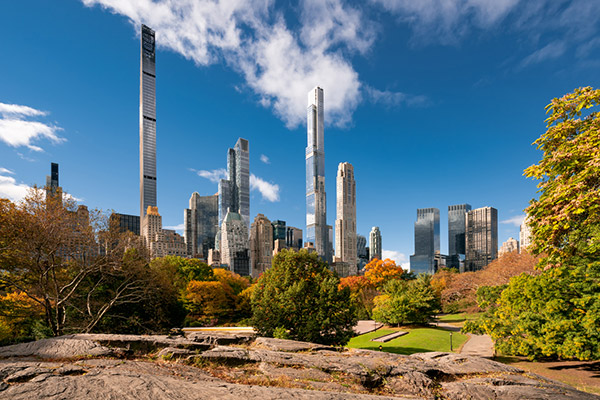
| | I have an tall architecture theme this week with the completion of the world's tallest bridge in southern China, the resumption of construction on the future world's tallest skyscraper in Saudi Arabia, and the tallest residential building in the Western Hemisphere, the Central Park Tower. The construction site of the Central Park Tower is across the street from my normal-height apartment building, and it's a little scary and intimidating to watch such a tall building rise. Equipment could break, tools or materials could fall, and the whole thing sways a little in high winds as it gets taller and taller. | |
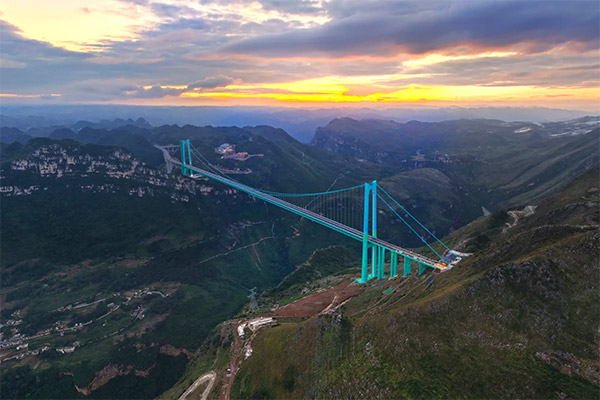
World's Tallest Bridge Officially Opens to Traffic, Cutting Travel Time from 2 Hours Down to 2 Minutes
The newly-built Huajiang Grand Canyon Bridge in Southern China towers over the Beipan River at approximately 2,050 feet tall
| | From: NBC News, By: Peter Guo, September 29, 2025 | | |
The world’s highest bridge opened in China on Sunday, taking the crown from another bridge in the same province.
The Huajiang Grand Canyon Bridge soars about 2,050 feet above a river and gorge in the southern Chinese province of Guizhou. It is more than twice as high as the Royal Gorge Bridge, which is suspended 956 feet above the Arkansas River in Colorado and is the highest in the United States.
According to Chinese state media, the new Guizhou bridge also sets a record as the world’s longest bridge in a mountainous region, spanning 4,600 feet.
Hailed as China’s latest “infrastructure miracle,” the bridge is designed to spur tourism and economic growth in one of the country’s least developed regions.
The mega project, constructed over three years and eight months, will cut travel time between the two sides of the canyon from two hours to two minutes and connect major tourist spots, officials said.
The bridge has a high-speed glass elevator that can send visitors to a coffee spot 2,600 feet above the river. Visitors can also try bungee jumping or a 1,900-foot-high glass walkway.
| | Time-lapse: World’s highest bridge to open in China | |
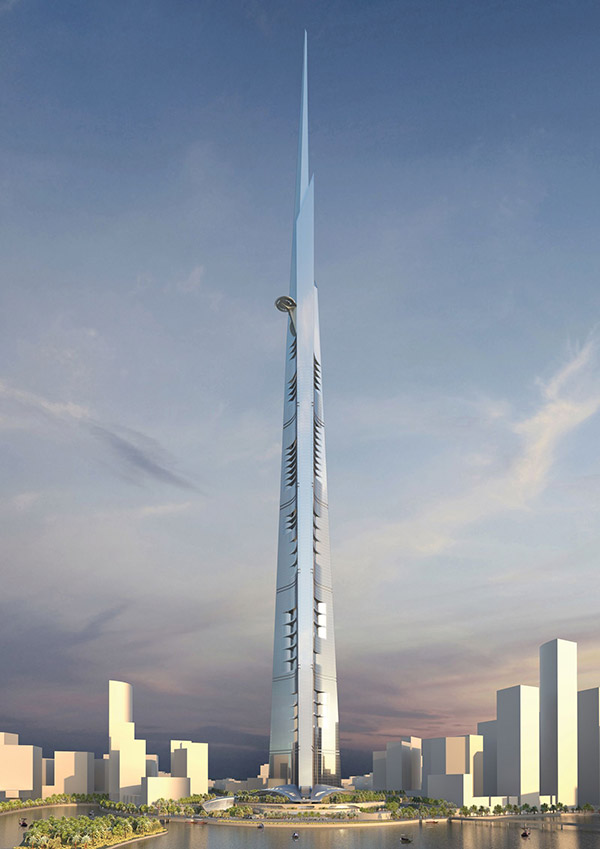
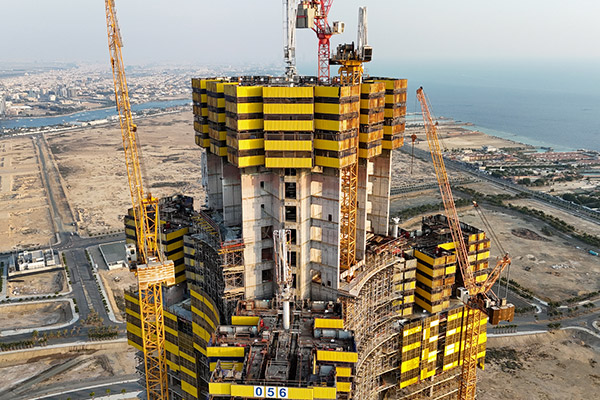
Construction of the World’s Tallest Skyscraper to Resume After Five-Year Hiatus
About a third of the building, which is located in Saudi Arabia, has already been built
| | From: People, By: Lizzy Rosenberg, September 28, 2025 | | As of right now, the world’s tallest skyscraper is known as Dubai’s Burj Khalifa, a building that houses a hotel, some apartments, office space, restaurants and more. But just in a few years, the record will be surpassed by another skyscraper in Saudi Arabia, which is known as the Jeddah Tower, especially now that it has resumed construction after a five-year hiatus. | | |
Construction of the Jeddah Tower, according to Architectural Digest, started back in 2013. It was paused in 2018 when its contractor, the Binladin Group, was removed from the project following the arrest of its president and half-brother of Osama bin Laden, Bakr bin Laden. Then, the COVID-19 pandemic further delayed its completion.
But after a full five years, construction of the Jeddah Tower is finally set to resume. Per the tower's engineering consultant, Thornton Tomasetti, the $1.2 billion project will largely utilize concrete to build a structure without columns, floor beams or outriggers. Construction is expected to be quick and efficient.
Architects Adrian Smith and Gordon Gill are spearheading the design for the 5.7 million square-foot building. Once finished, Thornton Tomasetti said it will offer space for a high-end hotel, luxury apartments, condos and office space. It will also boast the highest human-made viewing platform, which will be located off the 157th floor.
| | |
Located on Manhattan's Billionaires' Row and steps from Central Park, this new architectural landmark rises 1,550 feet above New York City and houses 179 of the most exclusive homes in the world.
Residents of Central Park Tower are members of Central Park Club, an offering of approximately 50,000 square feet of thoroughly curated luxury services and amenities. The centerpiece of the club is located on the 100th floor at an elevation of over 1,000 feet. This expansive sky club features a grand ballroom with seating for up to 130 people, a private bar, a dining room, and a wine and cigar lounge, all with one-of-a-kind Central Park and New York City views.
| |
6. Reader Submission: Fall Foliage
| | Cherie Storm, one of my Aspen friends and a fantastic interior designer, sent me these Fall foliage pictures from a morning hike. I love the Aspen countryside when the colors are starting to change. Thank you so much for the photos, Cherie! | | What a beautiful view out over the valley. | | A Pine Grosbeak perched in the aspens. | |
7. Nature: White Reindeer
| | After visiting the Arctic, I have become interested in reindeer and caribou, two similar species that inhabit the northern lands. Two weeks ago, I posted about their declining population, which is due to the effects of global warming. In future issues of the Flock, I plan to post more about these animals, including their similarities and differences, as well as their cultural significance. White reindeer carry a genetic mutation called leucism, which causes a loss of pigment, resulting in their coats turning pure white. These white reindeer are believed to bring happiness and possess mythical powers by the Sami people, who inhabit large parts of the Arctic Circle. | |
Snow deer! Stunning photographs capture rare white reindeer in Norway
The photographer came across the reindeer calf while hiking with friends.
| | From: ABC News, By: Guy Davies, December 5, 2018 | | |
A collection of stunning photographs of a white reindeer in the snow has gone viral after a photographer captured the rare sighting while on a hiking trip in Norway.
Oslo-based photographer Mads Nordsveen, 24, was traveling with friends in Senja, an island in northern Norway, when he came across the reindeer calf in a chance encounter.
“The last day, we got eye on this little reindeer,” Nordsveen told ABC News. “The local Sami people we talked to told us that these white animals are so unique that in Sami tradition they bring happiness. The calf seemed a bit scared at first, but we sat completely quiet and were very calm and eventually it came quite close.”
White reindeers are not albino; instead, they have a genetic mutation that causes their fur to lose its pigment.
Nordsveen, who regularly shares photographs of the Norwegian landscape on his Instagram account, admitted his surprise at finding such a perfect shot.
| | 8. BIndu's Corner: Swami Vivekanada | | Born in Calcutta, India in 1863, Swami Vivekanada was an Indian Hindu monk, philosopher, author, and religious teacher. He was instrumental in introducing Vedanta Yoga to the Western World where he is credited with elevating the status of Hinduism.In the late 1800s he attended the Parliament of The World's Religions in Chicago where he advocated for religious tolerance and acceptance. He believed that charity was the highest and most noble of all virtues. | |
Swami Vivekanada
January 12, 1863 – July 4, 1902
| | |
There is no higher virtue than charity. The lowest person is one whose hand draws in, in receiving; and the highest person is one whose hand goes out in giving. The hand was made to give always. Give the last bit of bread you have even if you are starving. You will be free in a moment if you starve yourself to death by giving to another. Immediately you will be perfect, you will become God.
— Swami Vivekananda
| | These Flock regulars are always here for you: | | Don't Be Shy: Share Your Stories! | | I'm looking forward to sharing more of your personal stories - oral, written, or otherwise, as we enter our third year. I'd so love to present them to The Flock, hit a mailbox below to share your story. | | Subscriptions & Idea Submissions
Reminder: Your submissions are always welcomed. | | |
Feel free to forward this email to a friend. If this was forwarded to you and you would like to receive your very own Flock Newsletter, you can sign up here. If you have any questions or suggestions for future Flock resources, don't hesitate to contact me.
Your fan and friend,
Beth
| | | The information and materials contained or referenced in this newsletter are for informational purposes only and not intended to be a substitute for professional medical advice, diagnosis, or treatment. Always consult a physician or other qualified medical professional with any questions you may have regarding a medical condition or treatment and before beginning a new health care regimen. Do not disregard professional medical advice or delay seeking medical advice or care based on anything contained in this newsletter. | | | | |