| Electrocution Risk & Prevention in Construction
Electrical hazards remain a leading cause of construction fatalities, and many of these tragedies are preventable.
Despite ongoing safety efforts, electrocution remains the fourth-leading cause of death among construction workers in the United States. A closer look at the statistics reveals two major concerns: electrical workers performing tasks on energized equipment and non-electrical workers coming into contact with overhead power lines.
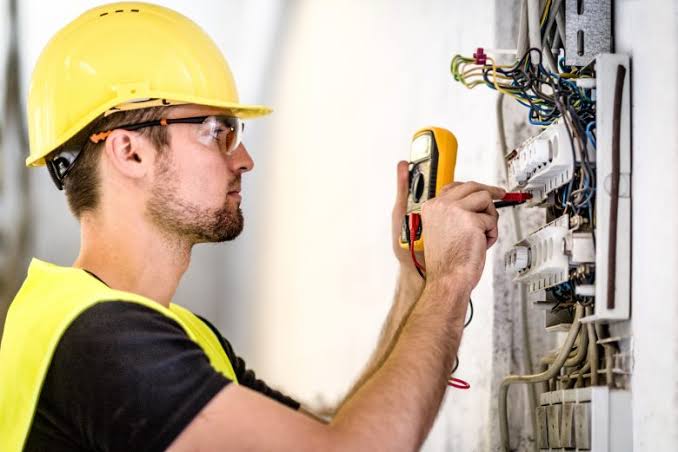
For electricians, one of the most serious risks is working on energized electrical systems when the power could be shut off. Properly de-energizing equipment and following lockout/tagout (LOTO) procedures can help prevent fatal electrical injuries.
For workers in other construction trades, the dangers often involve overhead power lines, along with a lack of awareness about electrical hazards. Construction laborers, carpenters, supervisors of non-electrical workers, and roofers are among the occupations affected by these incidents.
Overhead Power Lines Pose a Significant Threat
According to the Electrical Safety Foundation International (ESFI), contact with overhead power lines accounted for 48.2% of all workplace electrical fatalities between 2011 and 2023, making it the leading cause of workplace electrical deaths. Even more concerning, 87% of fatalities involving overhead power lines occurred among workers in non-electrical occupations. These incidents can result from direct contact with a power line or indirect contact, including electrical arcing.
These statistics highlight an important point: Electrical safety is not just a concern for electricians. Construction workers operating cranes, ladders, scaffolds, dump trucks, and other equipment must also recognize and avoid electrical hazards.
Preventing Electrical Fatalities Starts With Awareness
Employers and workers can take several important steps to reduce the risk of electrocution:
-
De-energize whenever possible. Shut off electrical power before performing work, and follow established lockout/tagout procedures to prevent unexpected energization.
-
Maintain safe distances from overhead power lines. Identify power lines before work begins and follow applicable clearance requirements.
-
Plan work before equipment is moved or operated. Consider the location of overhead lines when positioning cranes, ladders, scaffolds, and other equipment.
-
Provide appropriate safety training. Ensure workers understand electrical hazards, recognize warning signs, and know how to respond to dangerous situations.
-
Never assume a power line is safe to approach. Treat overhead lines as energized unless the utility company confirms otherwise.
Every Worker Has a Role in Electrical Safety
Electrical fatalities are often preventable when hazards are identified, proper procedures are followed, and workers receive effective safety training. Employers must prioritize hazard assessments and safe work practices, while employees must remain alert to electrical dangers —even when electricity is not part of their primary job.
A moment of awareness can prevent a lifetime of consequences. No job is worth the risk of electrocution.
Source: Electrical Safety Foundation International using data from the U.S. Bureau of Labor Statistics, CFOI, and the Occupational Safety and Health Administration 170 Forms, 2011 -2024.
Read on further trends and statistics: ESFI Workplace Injury and Fatality Statistics
|