|
|
November - Daylight Savings ends, Election Day, Veterans Day, Hunting Seasons, Thanksgiving, and so much more is happening this month. We hope you take some time to relax with the latest TPA Magazine.
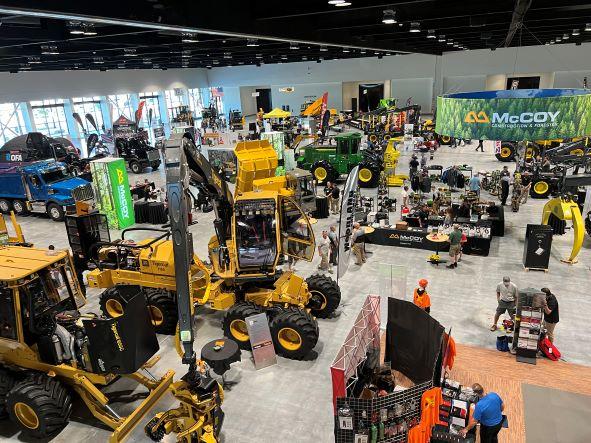
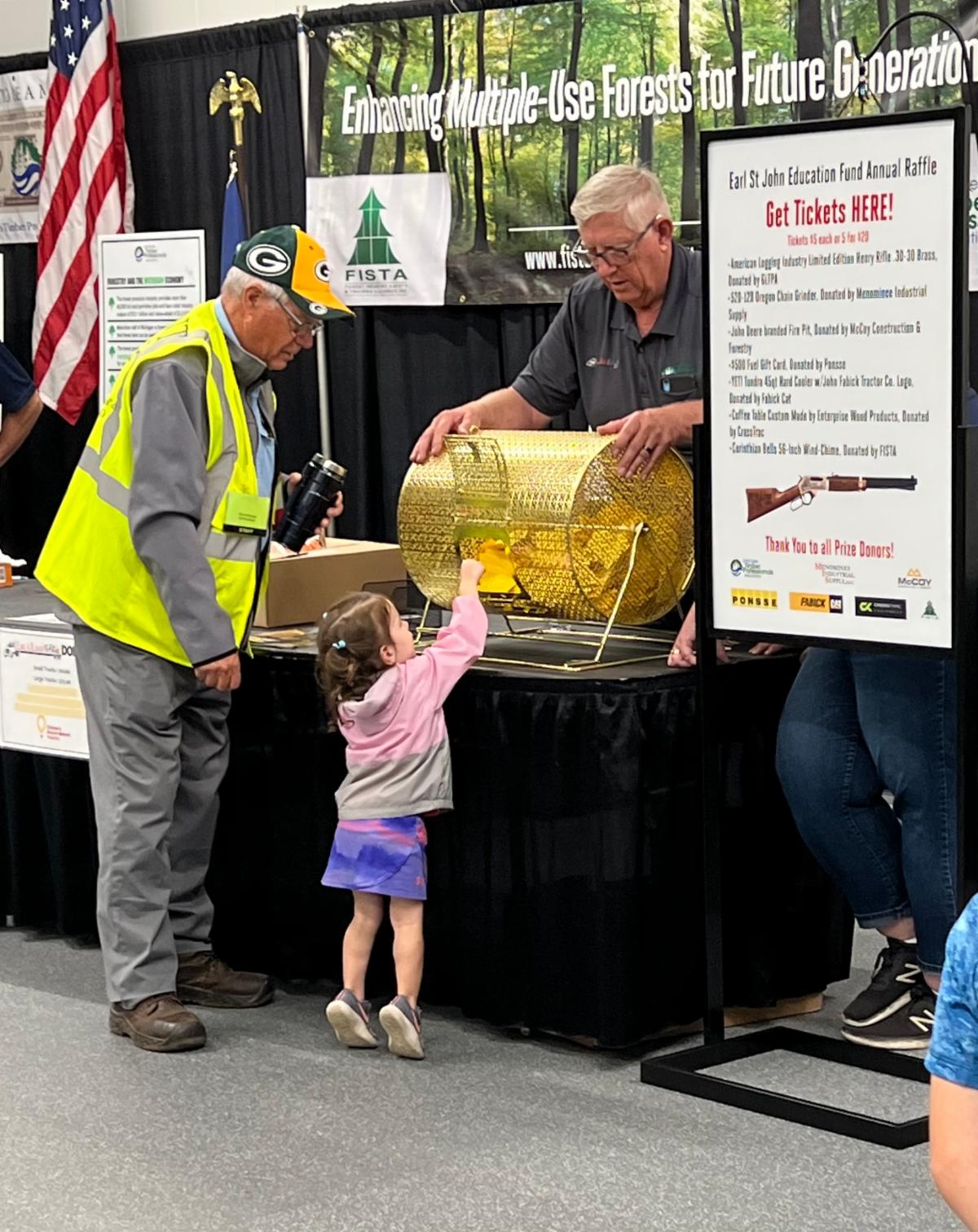
If you were not able to attend the Logging Expo - read all the highlights from this years show. It was great to be back in Green Bay and the show was a success. A HUGE Thank You to all the Major Sponsors, we cannot do the Expo without YOU!
Gary Zimmer highlights the Wood Thrush in Wood in Wildlife this month, and Log A Load For Kids Events were tremendous fun for all! Check it out. Have a Blessed November!
|
|
|
Visit our Website: www.gltpa.org |
|
|
|
|
From the President's Desk
Matt Jensen
|
Well deer season for Michigan, Minnesota and Wisconsin are upon us and winter is just around the corner.
As we enter the fourth quarter of 2022, inflation is not subsiding as the United States economic numbers continue to be unfavorable, yet the Biden Economic Team continues to tout the low unemployment rate. They fail to tell the full story though, that the artificially low rate is due to the low 60% labor participation rate.
The Fed continues to raise interest rates to mitigate inflation, but this has not worked so far. A recent Bloomberg report stated there’s a 100% chance of a recession in the next year. The definition of a recession is two consecutive quarters of negative growth. I have news for you, we are in a recession! Both President Biden and Vice President Harris recently stated we have zero percent inflation, and the media fails to question their remarks. Today’s mainstream media intentionally fails to question politicians when they mislead voters and fail to tell the truth. This is especially true with political leaders and agendas the media wants to promote. How disgraceful.
|
|
|
|
GLTPA Director Notes
Henry Schienebeck
|
Carbon Credits Versus Forest Management
Greetings,
An article written and published one year ago from October 2022, “What are carbon credits? How Fighting Climate Change Became a Billion-Dollar Industry” written by Lucas Thompson and Leticia Miranda, has provided some very useful information regarding carbon credits. The article is very open about the fact that companies have turned to a financial product, carbon credits, to offset their environmental footprint.
The article states that the carbon credit program was on track to be worth $1 billion in 2021 in one sector and later states another sector pushed by the United Nations Climate Change Conference, also referred to as COP26, was on track to reach $6.7 billion by the end of 2021.
What is a carbon credit? First, there are two types of markets, a voluntary market and an involuntary or compliance market. According to the article, “a carbon credit is a kind of permit that represents 1 ton of carbon dioxide removed from the atmosphere. Notice that it does not say 1 ton was removed from the atmosphere but that it represents a ton removed. Credits can be purchased by an individual or, more commonly, a company to make up for carbon dioxide emissions that come from industrial production, delivery vehicles or travel.” According to “Stumbling Toward Sustainability” this is called the “Polluter Pays Principle.” On a side note, it seems reasonable to think people who fly to places like the Paris Climate Accord meetings pay their way with the purchase of carbon credits don’t you think?
When a company becomes “carbon neutral” that does not mean they are emitting less carbon. What it means is that there is a prescribed emission limit and if they exceed the limit, that company purchases carbon credits whereby they become “carbon neutral.” The bottom line is this, carbon credits generate income for a handful of people and primarily for the management companies who take charge of the programs and cap and trade markets. Ultimately, willing, or not, consumers pay the additional costs for carbon credits. The cost is always passed on to the consumer. And that brings us to forest management. If consumers are willing to pay for carbon credits, why would they not be willing to pay more for sustainably harvested forest products?
|
|
|
|
|
Wood in Wildlife
WOOD THRUSH
By: Gary Zimmer
|
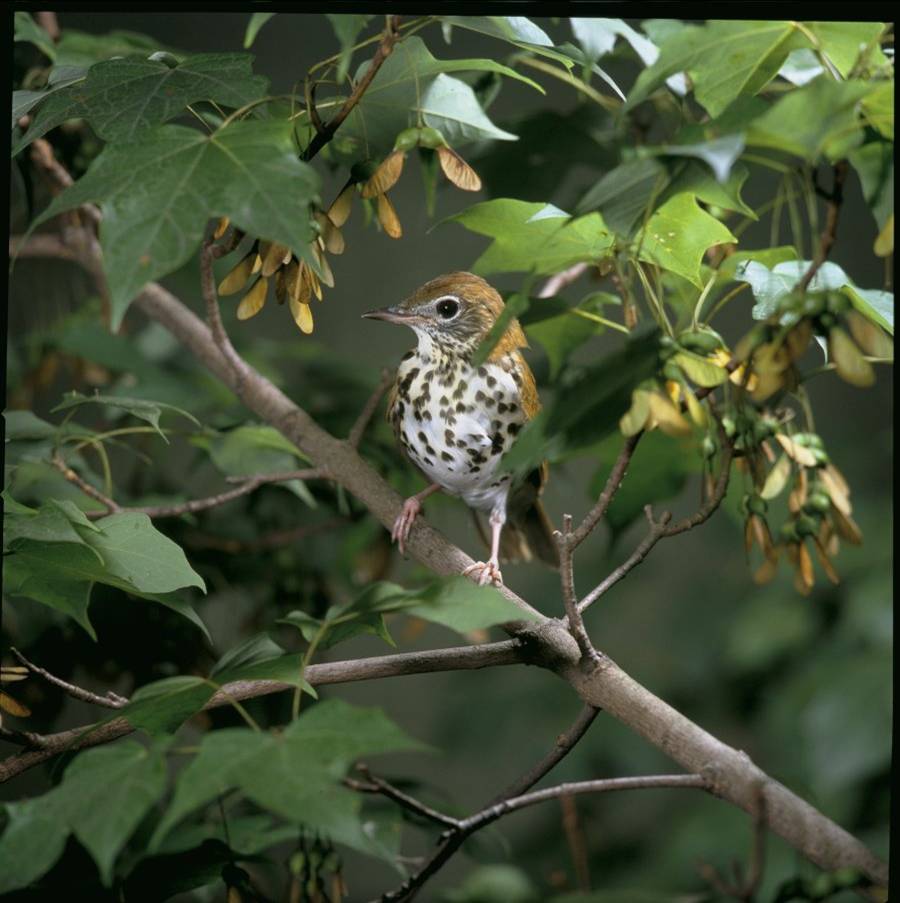
Though relatively common during the summer breeding season in the Upper Great Lakes Region, the wood thrush is a bird seldom seen but often heard. Somewhat reclusive by nature, its flute-like song concluding with a distinctive trill is easily recognized by experienced bird watchers and can be quickly learned by amateur birders.
The males three part song is considered by many as one of the most beautiful songs of all of the birds found in North America. During his song, the male actually sings pairs of notes simultaneously, harmonizing and blending to produce the finished product. Due to its song, the wood thrush has been given several other folk names including song thrush, swamp angel and wood robin. Females are not known to sing but do give a short call when agitated. Both sexes do vocalize at times giving a rapid pit-pit-pit call.
Wood thrush are one of several native species of the Turdidae Family (Thrushes and their close allies) that include the American robin, veery, hermit thrush, Swainson’s thrush, and the Eastern bluebird in our region. They are one of the largest thrushes (7 to 8 ½ inches long), though slightly smaller than it’s robin cousin. The upper part’s of the wood thrush (back of head and upper back) are red-brown in color. The breast and belly are white with large dark, brown spots. This bird has a distinct white eye ring and pink legs. Wood thrush have been recorded living up to nine years in the wild.
|
|
|
LOGGING EXPO 2022
The Great Lakes Regions Most Valued Industry Hits the Stage in Green Bay, Wisconsin.
By Mike Monte & Mindy Herman-Helf
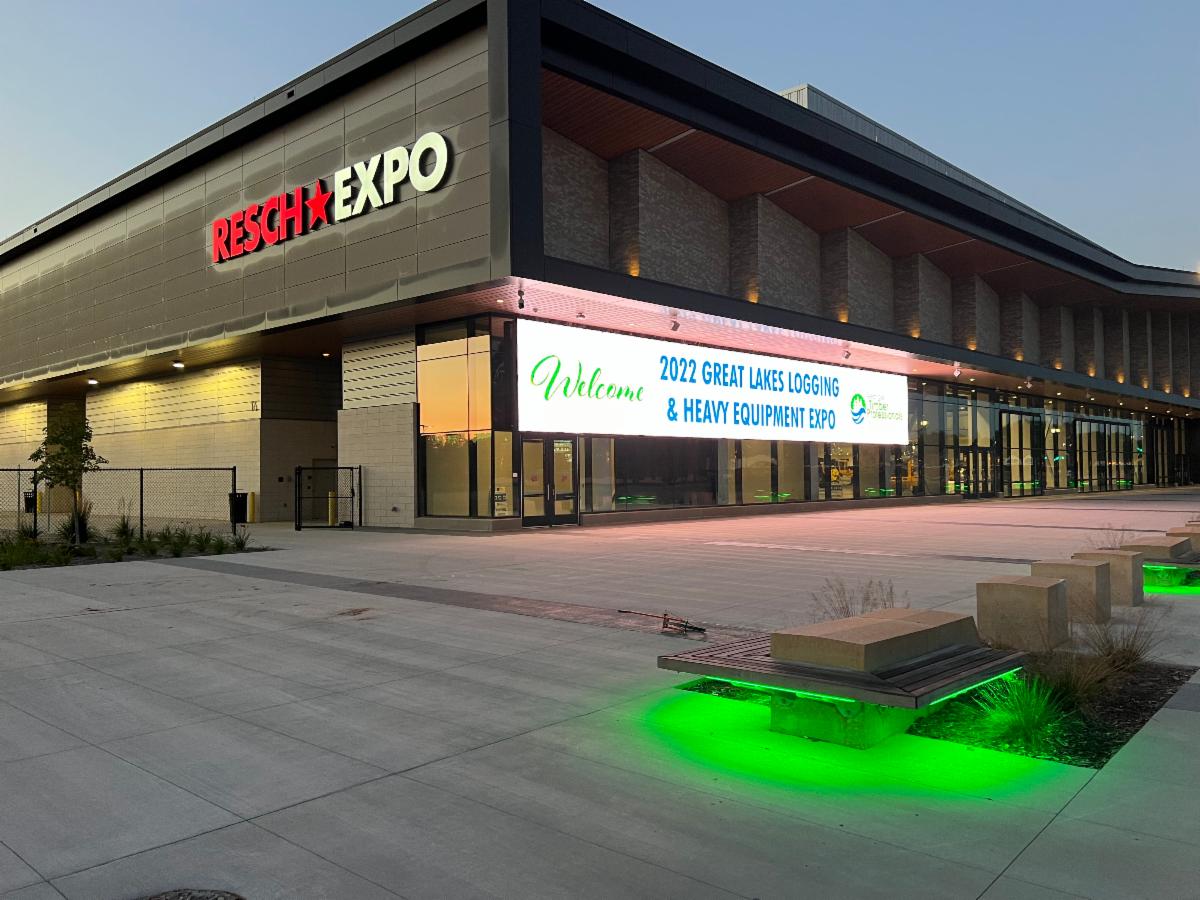
On September 8th, 9th, and 10th, 2022, Great Lakes Timber Professionals Association held it’s 76th Annual Great Lakes Logging & Heavy Equipment Expo at the Resch Complex in Green Bay Wisconsin.
Why Green Bay and why a Logging Expo? The Logging Expo promotes what GLTPA members and supporters do best, “Enhancing Multiple-Use Forests for Future Generations”. The Expo is designed to showcase forest products used for daily like and how modern techniques are used int eh sustainable management of this magnificent renewable resource, our forests. Sustainable forest management goes hand in hand with creating wildlife habitat, recreational opportunities, clean air, and clean water.
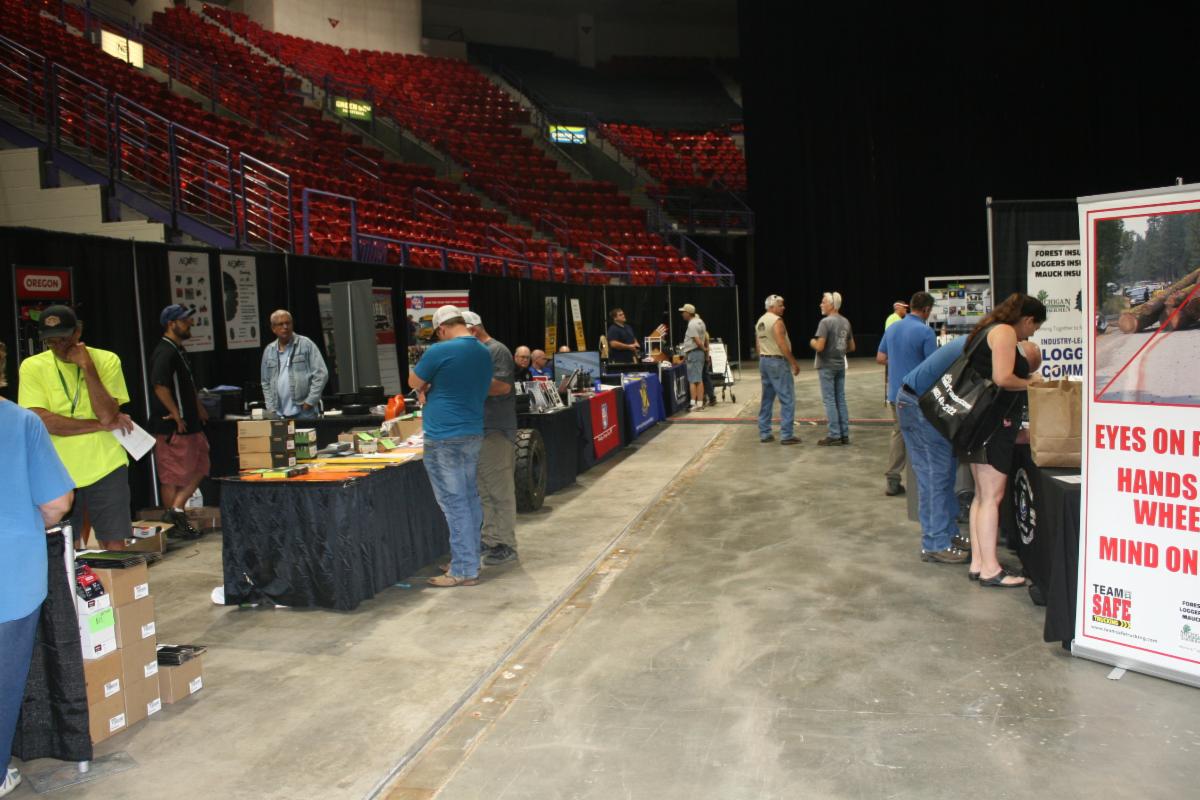
With the addition of the new Resch Expo, GLTPA’s exhibitors were afforded the perfect venue to showcase their products and services offered to a variety of attendees; including landowners who may need management services; professional loggers and truckers, and the novice firewood cutter.
It was great weather for the Logging Expo. The sun shined and the exhibitors and attendees didn't have to seek cover from raindrops. Those in attendance seemed to have a great time, and it was good to see and greet old acquaintances and meet some new ones as well.
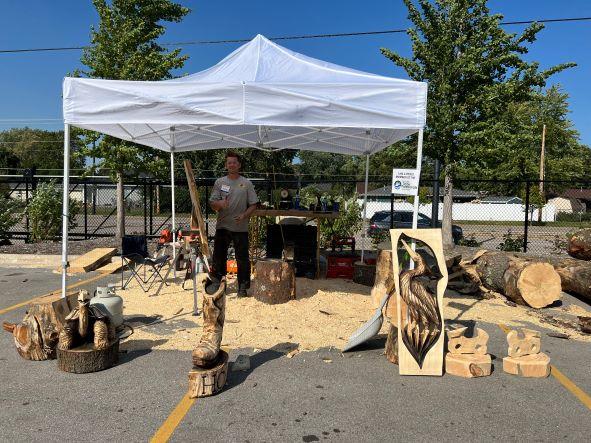
The exhibitors were able to enjoy the huge space provided both indoor and outdoor at the Resch complex, and if had rained, they wouldn't have had to worry.
It would appear that attendance was up, and there was much to see and do at this year’s Expo.
|
|
THANK YOU to Our Major Sponsors! |
Fabick Cat
Ponsse
Forest/Loggers/Mauck Ins. Agencies
CrossTrac
Scandinavian Forestry Equipment
Roland Machinery Co.
Komatsu
McCoy Construction & Forestry
Laona Machine Supply
Woodland Equipment
Compeer Financial
Wallingford's Inc.
AgDirect
GreenStone Farm Credit Services
Menominee Industrial Supply LLC
Scott Sanders Agency Farm Bureau Ins.
Mid-States Equipment Inc.
|
|
|
Great Lakes Timber Professionals Association
PO Box 1278, 3243 Golf Course Road Rhinelander WI 54501
PHONE # 715-304-2861
|
|
|
|
|
|
|