This issue includes:


  • Serbia: From Student Protests to the Ballot Box
  • How Meta Interfered in Brazil’s Elections
  • Are Political Parties Losing Their Grip?
  • Defending Open Debate on Disinformation
  • Bangladesh: The Generation That Changed a Country


Serbia: From Student Protests to the Ballot Box


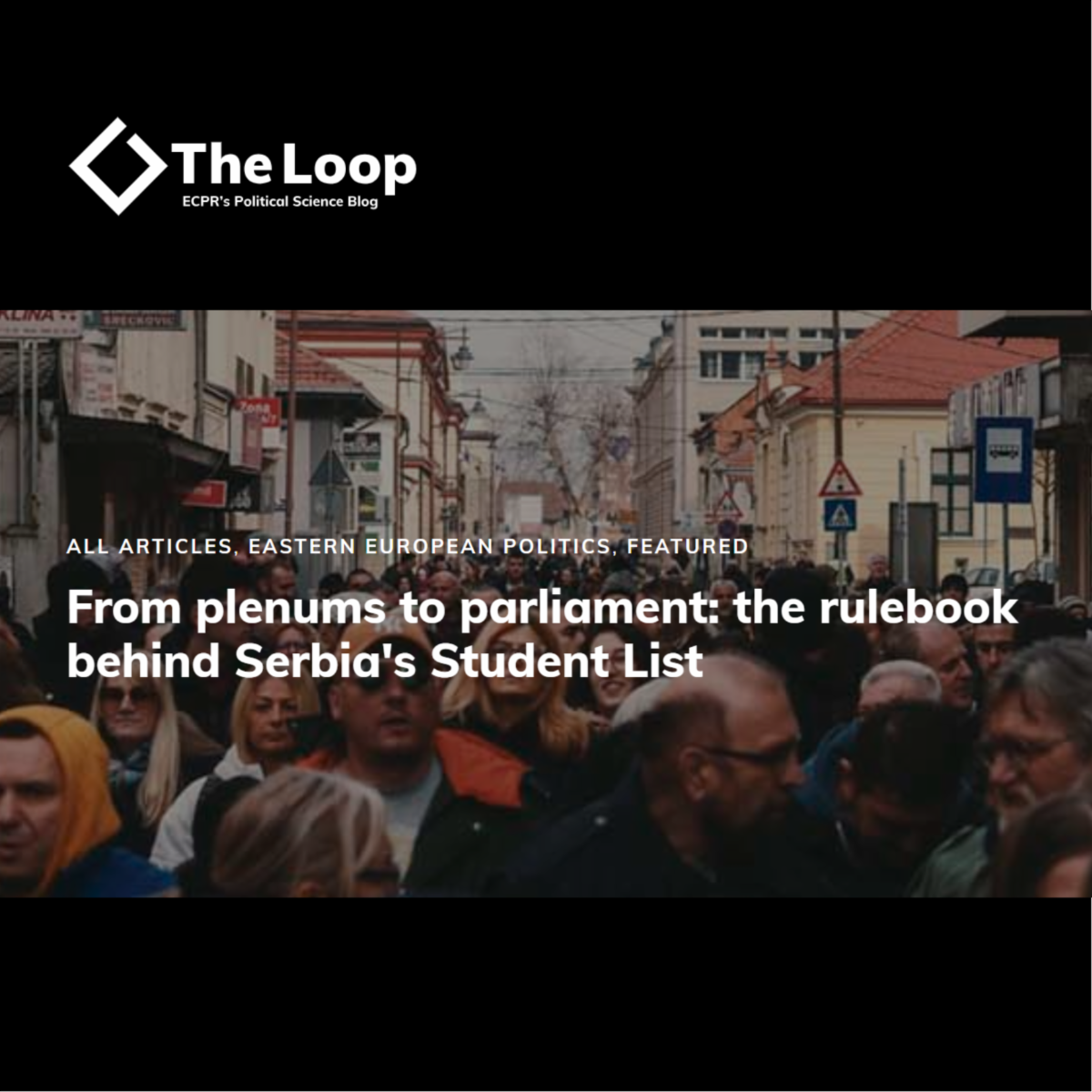
Serbia's student movement has built something unusual: a political force without conventional leaders, party structures, or formal spokespeople. But as students-endorsed candidates prepare to enter parliament, how can a movement rooted in direct democracy preserve its founding principles? Drawing on internal documents, this analysis examines the rules governing the movement's electoral list, the power of its student assemblies, and the difficult question of accountability once candidates take office.


How Meta Interfered in Brazil’s Elections

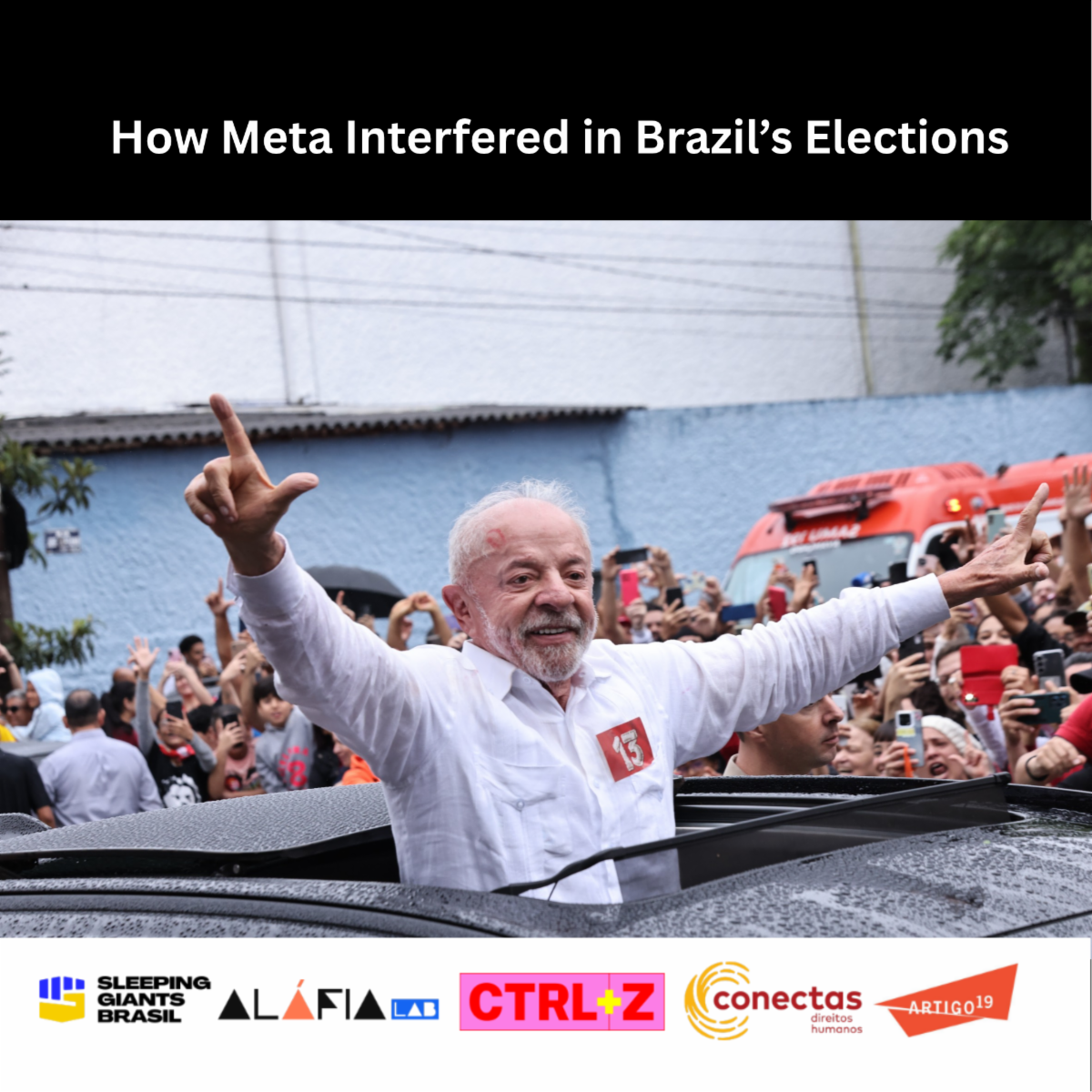
Brazil has concluded a closely contested presidential election, with Luiz Inácio Lula da Silva winning a fourth term. The election also raised serious questions about Meta’s role in shaping the information voters receive. A new guide, How Meta Interfered in Brazil’s Elections, documents four ways the company affected the race: it approved illegal and misleading political ads, offered AI tools that treated candidates unequally, gave some political figures unusually high reach, and restricted content unevenly. Leaked internal messages, Meta employees, the Oversight Board, and others have all raised concerns that the Lula and Flávio Bolsonaro campaigns were treated unequally, though Meta blames technical incidents and denies favoring anyone. The guide also offers practical tools for testing platforms, auditing ad records, and preserving verifiable evidence.


Are Political Parties Losing Their Grip?

Political parties helped shape Africa's independence movements, but their place in today's political landscape is changing. Afrobarometer highlights a striking shift: the share of Africans who feel attached to a political party has fallen from 58% in 2014/2015 to just 40% a decade later. What does this growing distance reveal about political representation, public trust, and the evolving relationship between citizens and the institutions that seek to represent them?


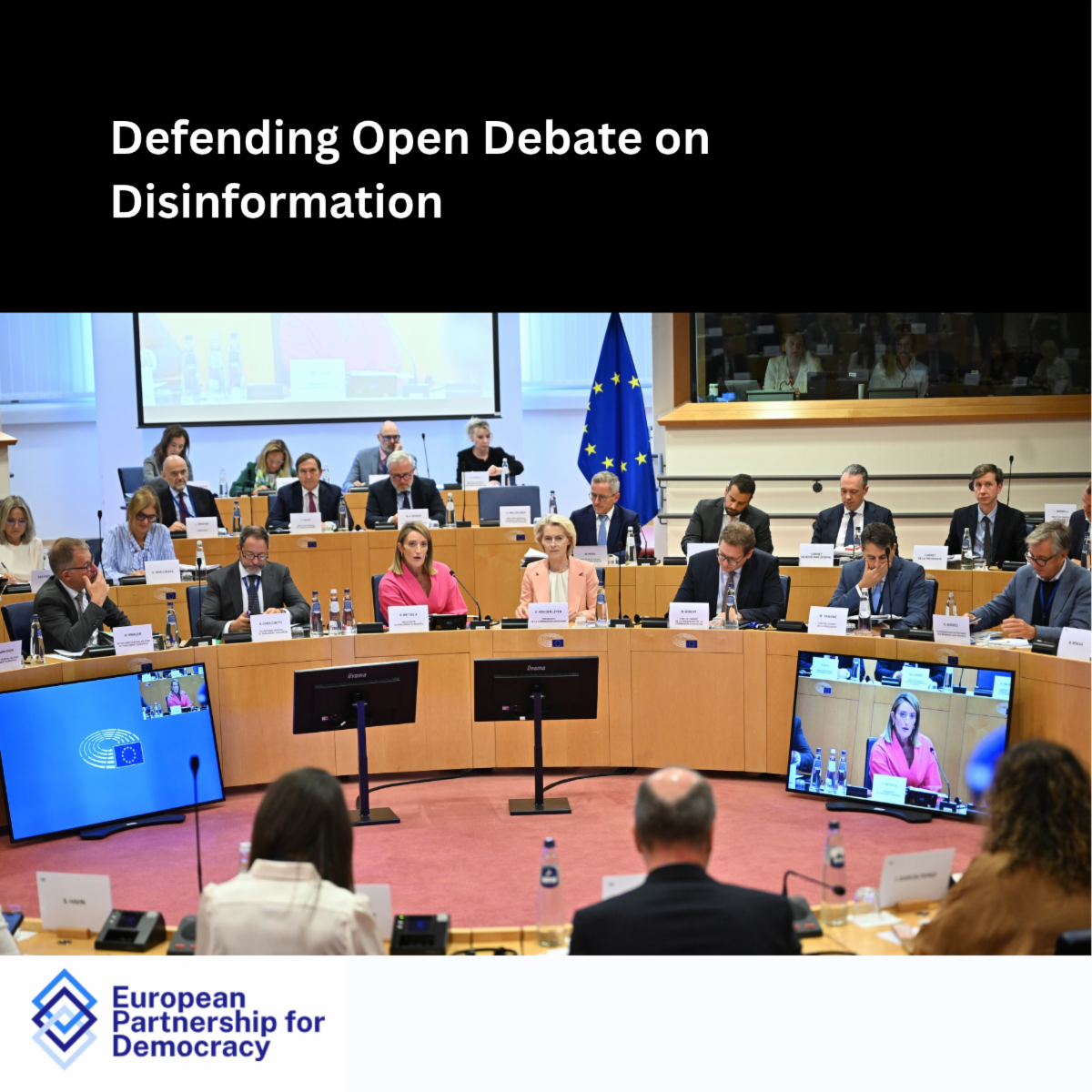
Defending Open Debate on Disinformation

Democracy depends on the freedom to question, challenge, and debate—even when conversations become uncomfortable. Following pressure from the U.S. government on the organizers and sponsors of Europe's Disinfo2026 conference, a coalition of democracy organizations and experts is calling on the European Parliament to defend independent research and open discussion. Their appeal underscores a fundamental principle: protecting democratic institutions also means protecting the freedom to scrutinize power and challenge official positions.


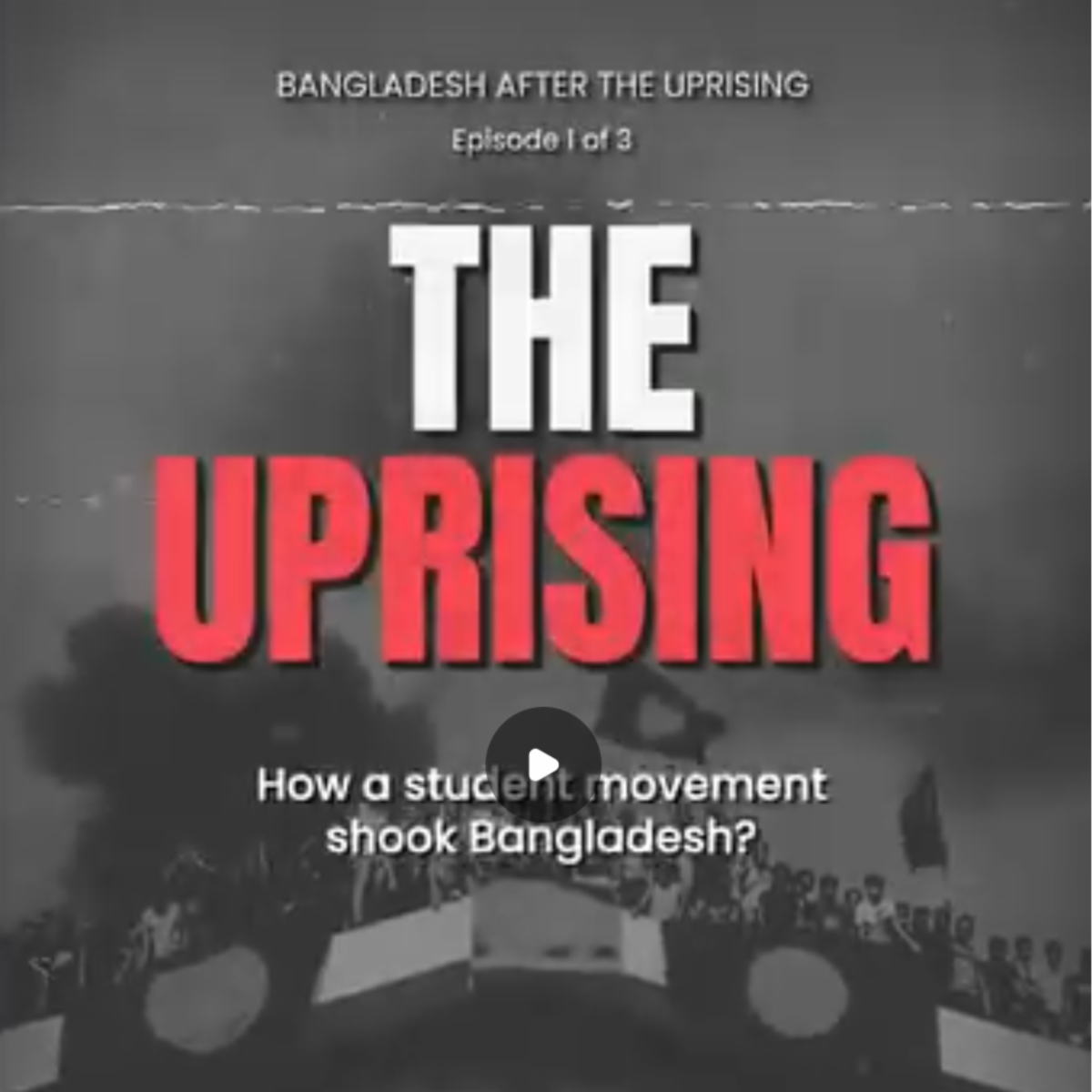
Bangladesh: The Generation That Changed a Country

More than two years ago, young Bangladeshis took to the streets and helped reshape their country's political future. Their mobilization demonstrated the power of a generation determined to demand change and challenge the status quo. This three-part video series revisits that pivotal moment, capturing the story of a youth movement whose impact reached far beyond the streets and continues to shape Bangladesh's political landscape.


Demos News is part of a joint initiative that responds to this moment with urgency and imagination, bringing together democracy champions across sectors and regions to not just defend democracy, but to reimagine and rebuild it. Co-initiators include: African Defenders (Africa Regional), ArtLords (Afghanistan), Asuntos del Sur (Latin America Regional), Democracy Works Foundation (South Africa), Equitas-International Centre for Human Rights Education (Canada). European Partnership for Democracy (Europe Regional). Nazra for Feminist Studies (Egypt).


To learn more about this initiative contact us at demowsnews@demoskratos.org