Turtle Tracks Newsletter


September 2026

undefined

FOLLOW US ON FACEBOOK TO KEEP UP TO DATE ON FUTURE EVENTS!

When Human Interference Requires Human Intervention

Whenever possible, we believe the best thing we can do for sea turtles is let nature do what nature has been doing for millions of years.


But when humans disrupt that natural process, sometimes humans have to step in to help fix the problem.


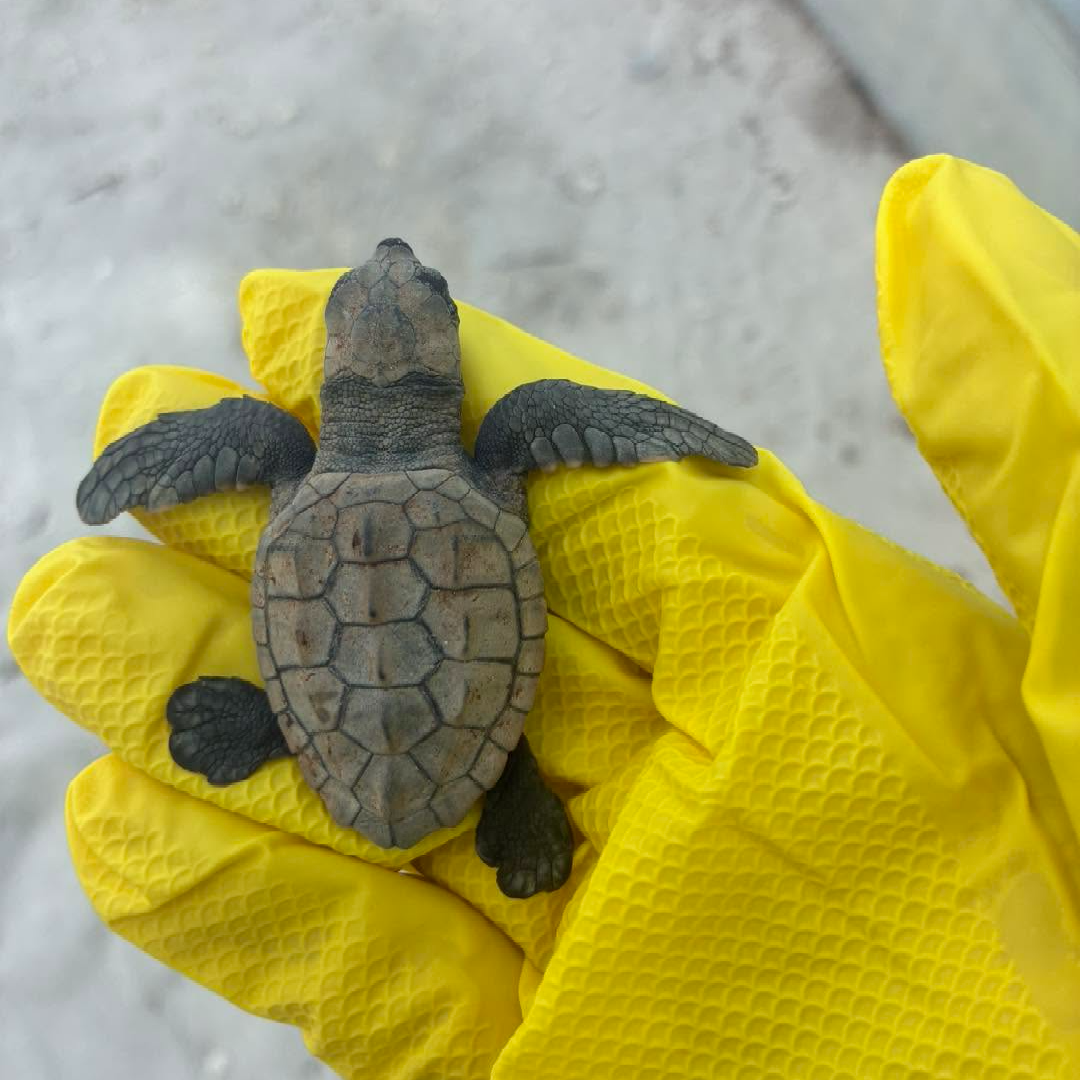
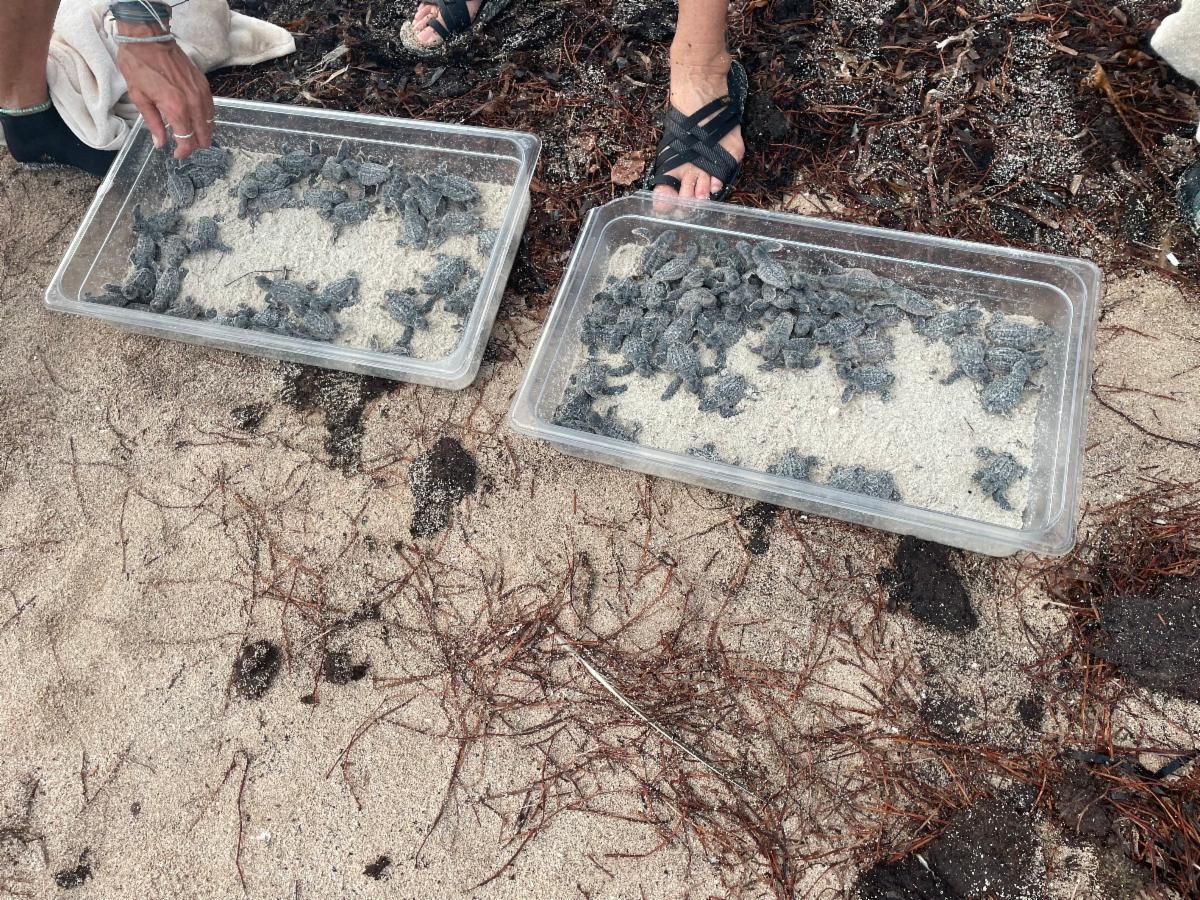
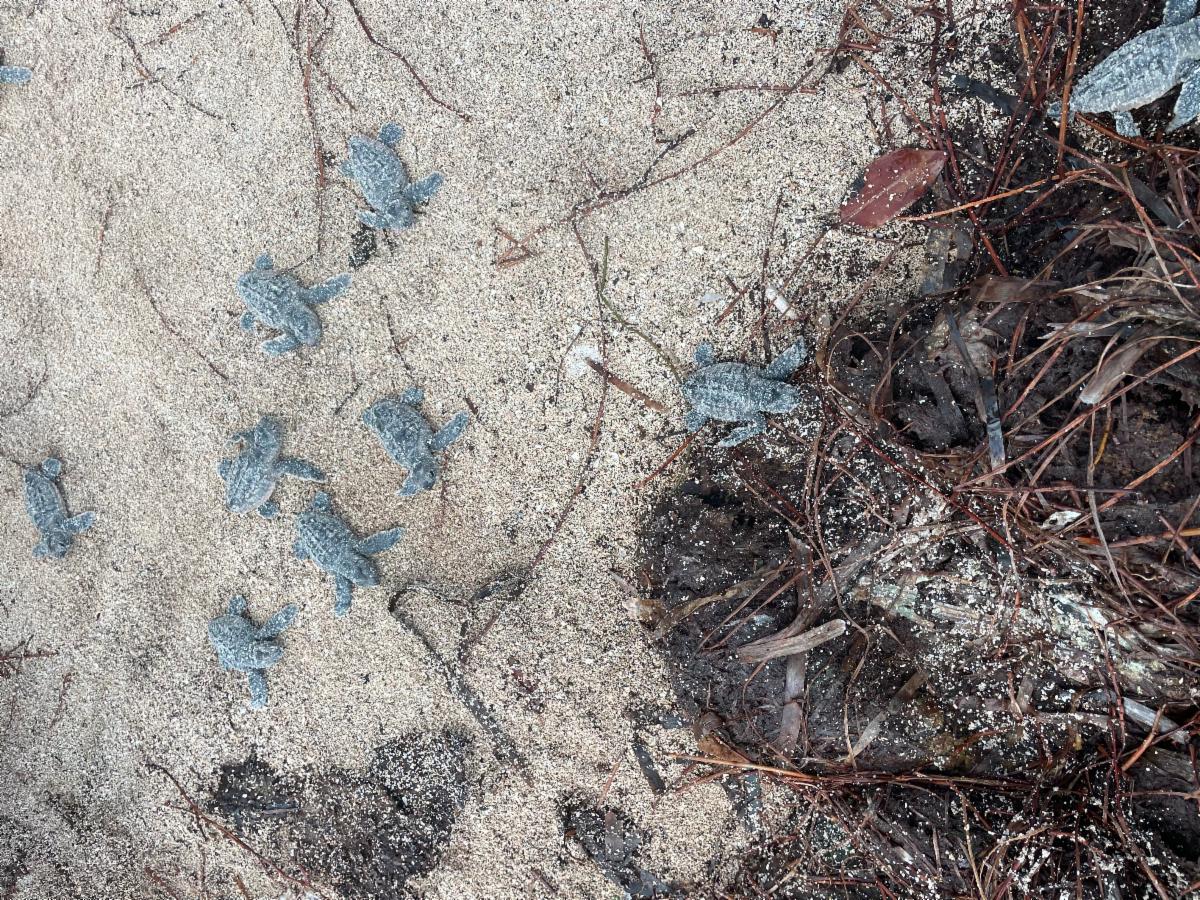
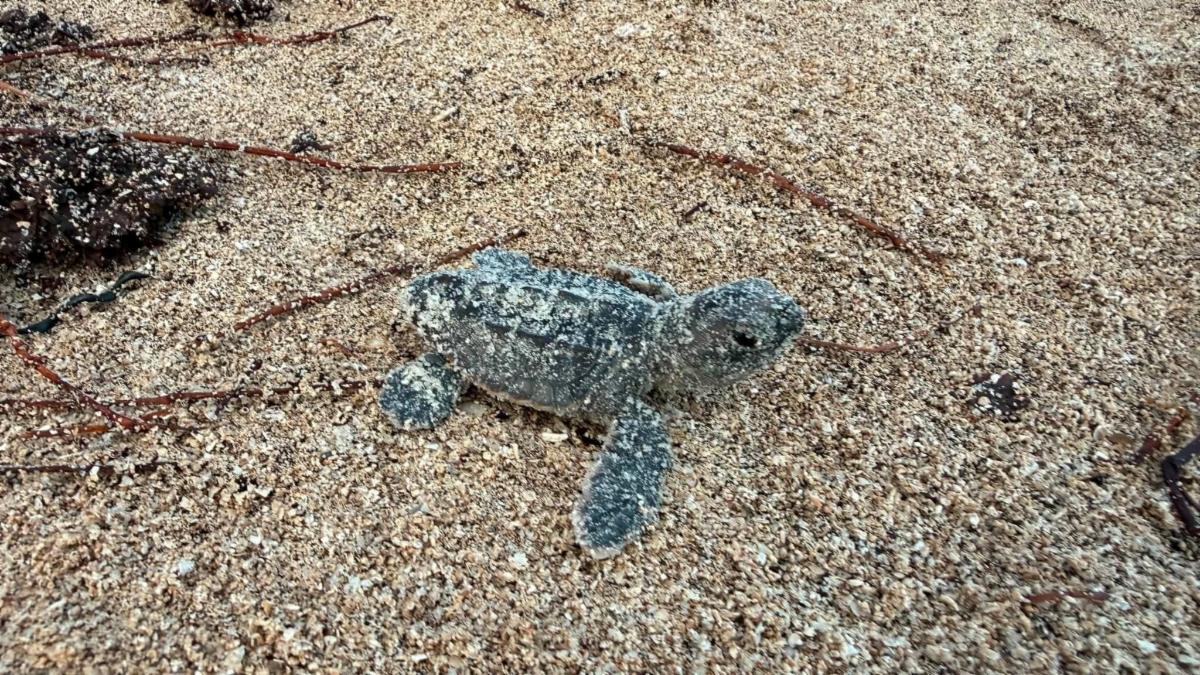
Recently, an entire nest became disoriented by improper artificial lighting. Instead of crawling toward the ocean, the hatchlings were drawn away from the water toward the resort. Ninety-five hatchlings had to be collected and kept safe until they could be released the following night from a nearby dark beach.


They were given another chance to begin their journey—but they should never have needed our help in the first place.


This Is Preventable


Hatchlings naturally orient toward the brighter horizon over the ocean. Artificial lights from buildings, balconies, landscaping, parking areas and even interior rooms can overpower those natural cues and send them in the wrong direction.


Every minute a hatchling spends wandering uses precious energy and increases its risk from dehydration, predators, vehicles, storm drains and other hazards.


And this season, we have seen far too many of these completely preventable disorientations.


Sea turtle-friendly lighting isn't simply a recommendation. Properties along our shoreline are subject to lighting requirements designed to protect nesting turtles and hatchlings. Improper lighting can result in code enforcement, citations and fines.


Fortunately, the solution is simple: Keep lights low, shielded and directed away from the beach, use appropriate long-wavelength lighting, and close curtains or blinds at night.


Our volunteers will always respond when hatchlings are in trouble. But rescuing disoriented turtles isn't the outcome we're working toward.


Success isn't rescuing 95 disoriented hatchlings.

Success is never having 95 hatchlings become disoriented at all.


We don't need to improve upon the system nature created for sea turtles. We simply need to stop interfering with it.


Keep it low. Keep it shielded. Keep it long. And give our hatchlings the dark beach they need to find their way home.

Lighting Guidelines -
https://myfwc.com/wildlifehabitats/wildlife/sea-turtle/lighting/


Photo Credit - Save-A-Turtle Volunteers

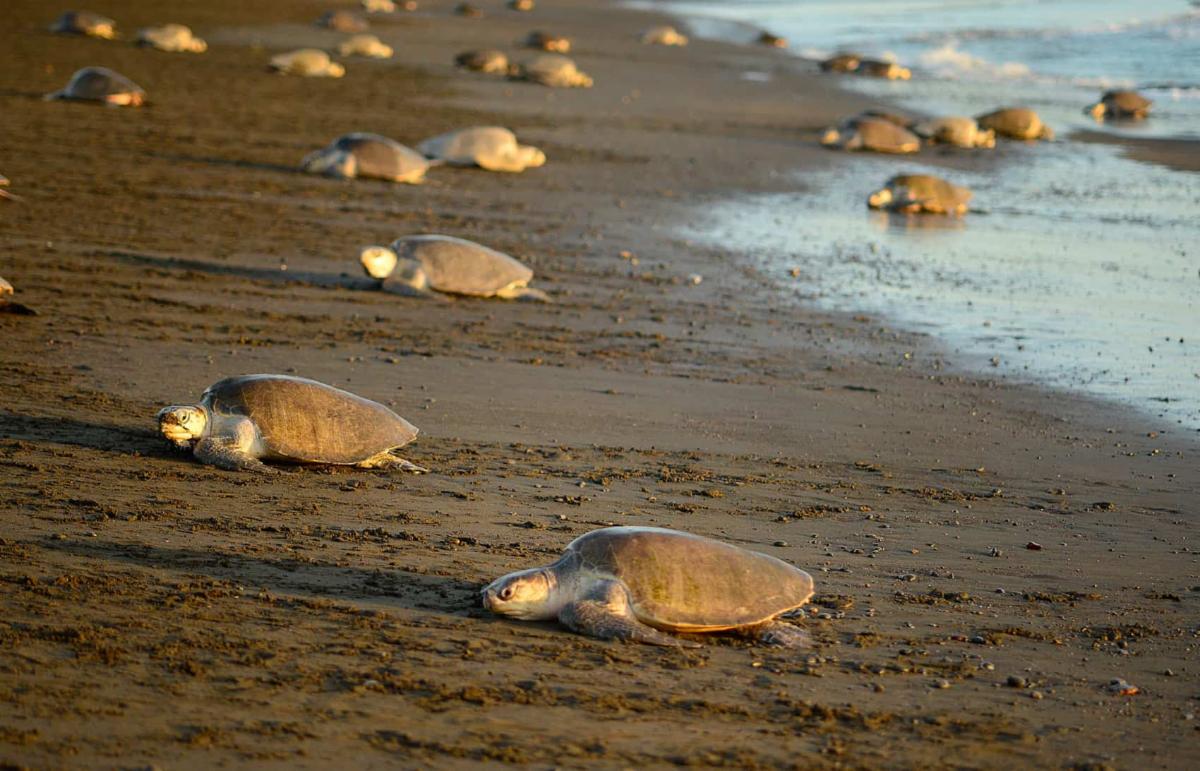
Thousands of Olive Ridley Turtles Come Ashore in One of the Year’s Largest Arribadas

One of the largest arribadas of the year began in the early morning hours of Friday, September 4th at the Ostional National Wildlife Refuge in Guanacaste, Costa Rica, as thousands of olive ridley sea turtles emerged from the Pacific to nest on the beach long known as their favorite stretch of Costa Rican coastline.


Read more about this event HERE.


Curious about arribadas in Costa Rica? Read more HERE.


Photo Credit - Lindsay Fendt/The Tico Times

Shell Shock: Leatherback Turtle Nesting in VA

From U.S. Fish and Wildlife - read article HERE

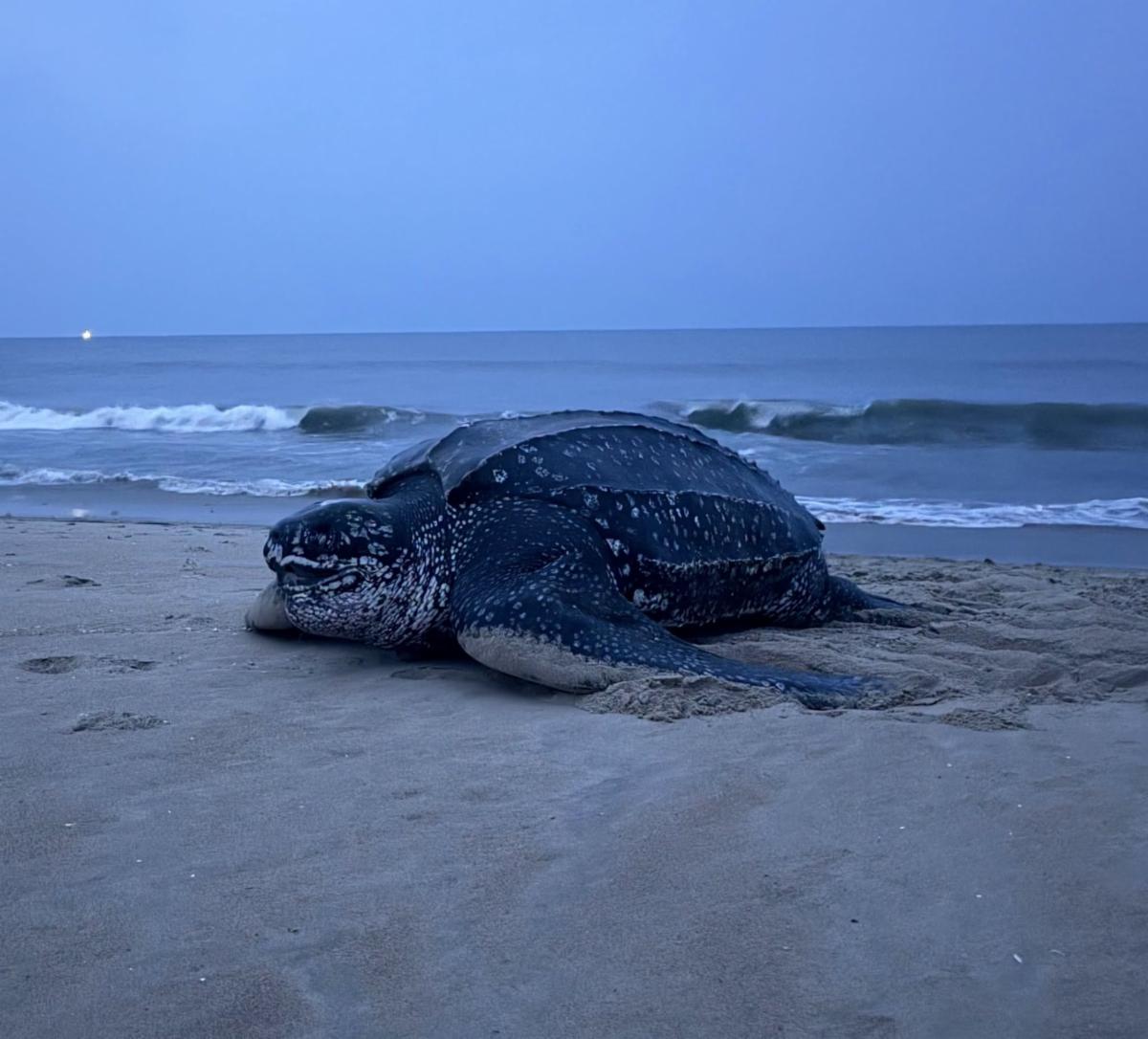
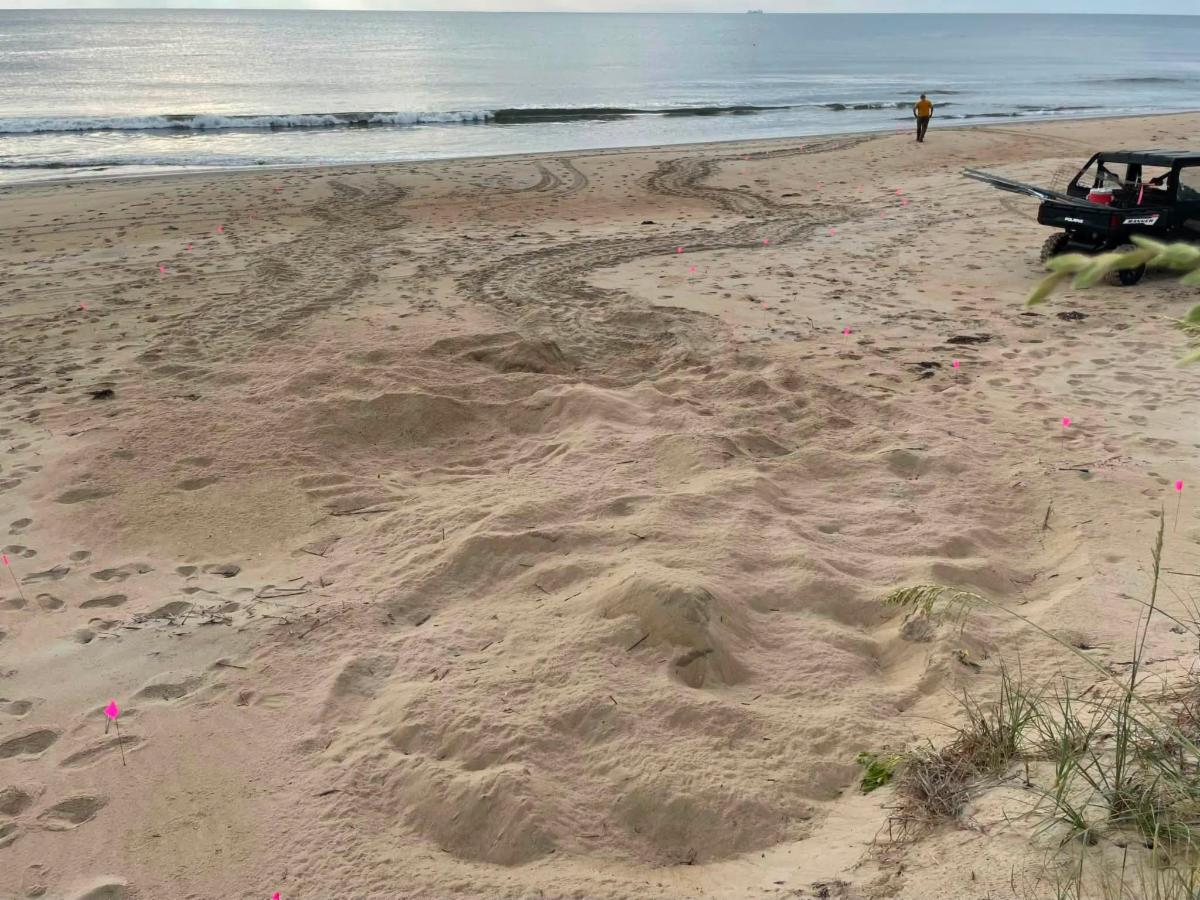
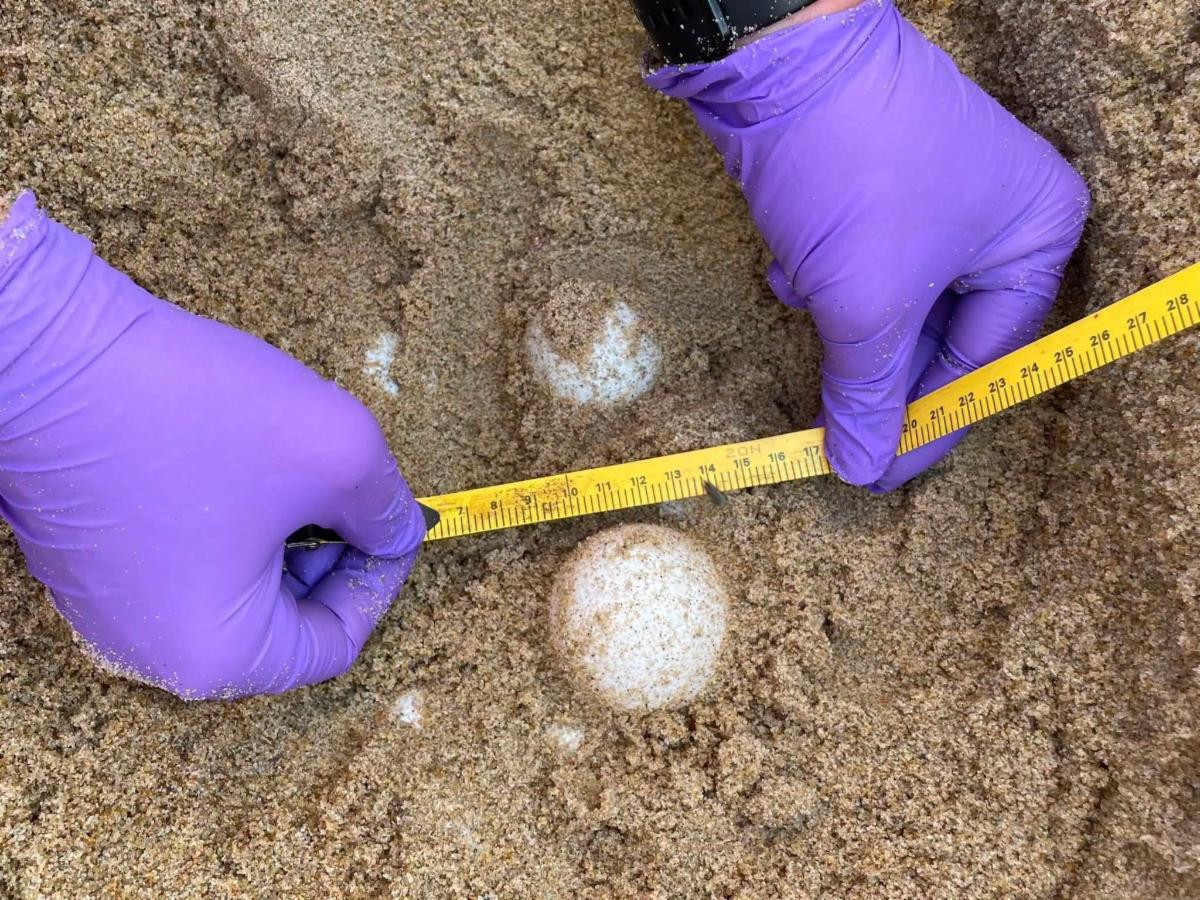
For the first time ever recorded, a leatherback sea turtle has nested on Virginia's shores, laying her eggs at Naval Air Station Oceana Dam Neck Annex! NAS Oceana and dedicated partners worked quickly to locate, identify, and safely fence off the nesting area, giving these eggs the best possible chance of success.


The largest sea turtle species on Earth, leatherbacks can grow up to 8 feet and weigh up to 2,000 pounds. Unlike other sea turtles, they lack a hard shell. Instead, their back in covered in a leathery skin that helps them dive deeper and travel farther into colder waters than any other turtle species.

Conservation and national defense are more connected than you think. Military installations are often the unsung heroes of conservation, with large stretches of land providing important habitats for nesting turtles and countless other species.


ADDITIONAL STORY ON THIS EVENT HERE


Photo credit - NAS Oceana and Maikayla

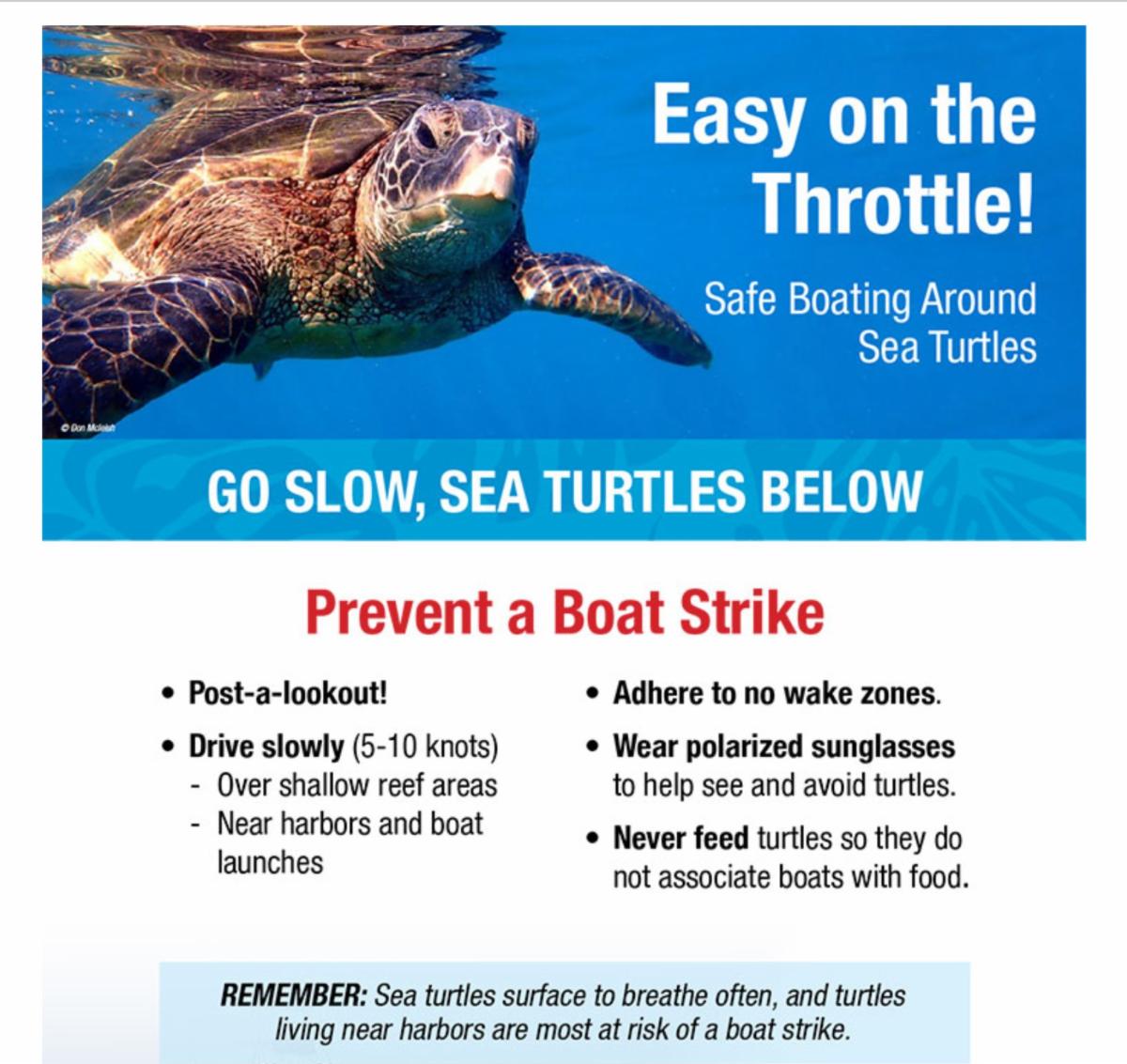
Share the Water, Protect Our Wildlife 🐢 💙🐬

Outreach poster developed by NOAA Fisheries and the Hawai'i Division of Boating and Ocean Recreation

Outreach poster developed by NOAA Fisheries and the Hawai'i Division of Boating and Ocean Recreation

The waters of the Florida Keys are home to sea turtles, dolphins, manatees, and countless other marine animals. Unfortunately, boat strikes continue to cause serious injuries and deaths—but responsible boating can make a difference.


Help protect our marine wildlife every time you’re on the water:


👀 Stay Alert – Watch carefully for surfacing wildlife and unusual shapes in the water.


🚤 Slow Down – Follow posted no-wake and slow-speed zones, especially in areas where marine wildlife is commonly found.


📞 Report Injured Wildlife – If you encounter an injured or stranded sea turtle, dolphin, manatee, or other marine animal, contact the FWC Wildlife Alert Hotline at 888-404-FWCC (3922).


A little extra awareness on the water can help keep Florida Keys wildlife safe. Share the water and give them space! 💙🐢

September 2026 Board Meeting

Save-A-Turtle Board Meeting

(meeting link is static and good for each monthly meeting)

Tuesday, September 8, 2026

6:30 - 8:30PM

Zoom Link

Meeting ID: 829 7023 2616

Passcode: 210787

One tap mobile

+13052241968,,82970232616#,,,,*210787# US

+16469313860,,82970232616#,,,,*210787# US


2026 Save-A-Turtle Board Members

President: Dawn Bowles

Vice President: Heather Skelley

Treasurer: Jill Reilly

Secretary: Brenis Hill

Board Member: Harry Appel

Board Member: Jennifer DeMaria

Board Member: Chelsea Oatman


Technical Advisor: Sue Schaf

🐢💚 Stay Connected & Support Sea Turtles 🐢💚

Love sea turtles? Stay connected with Save-A-Turtle on Facebook and Instagram for conservation updates, turtle facts, behind-the-scenes moments, and simple ways you can help protect sea turtles and their habitat.


You can also support our work by shopping turtle-inspired merchandise in the Save-A-Turtle Online Store.


Follow. Shop. Share. Every little action helps us make a difference for sea turtles in the Florida Keys! 🐢💚

10 Tremendous Turtle Facts

To report sick, injured or dead sea turtles in Florida

call FWCC at 888-404-FWCC (3922)

Connect with us!!!
Facebook  Instagram